
Diaphragm Wall
Deep Excavation & Retaining Wall Specialists
Jalmala Boring Works specializes in Diaphragm Wall Construction for deep excavations, basements, metro projects, commercial developments, and industrial infrastructure. We execute complete diaphragm wall work from 400 mm to 1200 mm thickness and depths of up to 40 metres, delivering watertight, high-strength retaining walls with minimal ground movement. Our end-to-end solution includes guide wall construction, slurry-supported panel excavation, reinforcement cage installation, tremie concreting, water-stop systems, and quality-controlled execution.
Diaphragm WallConstruction Process
A step-by-step overview of how Jalmala Boring Works constructs high-quality Diaphragm Walls — from guide wall installation to final panel completion — with precision, safety, and six decades of expertise.
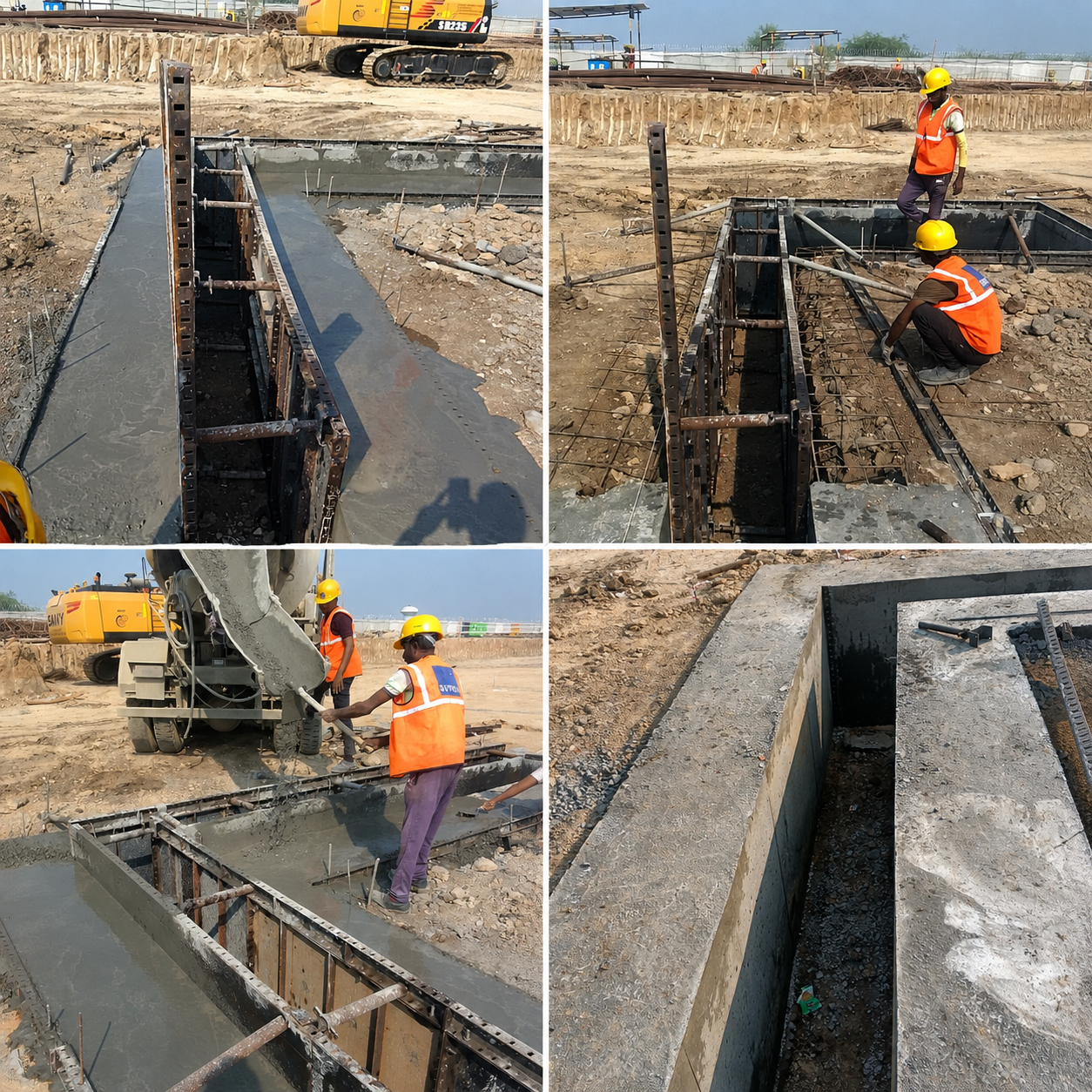
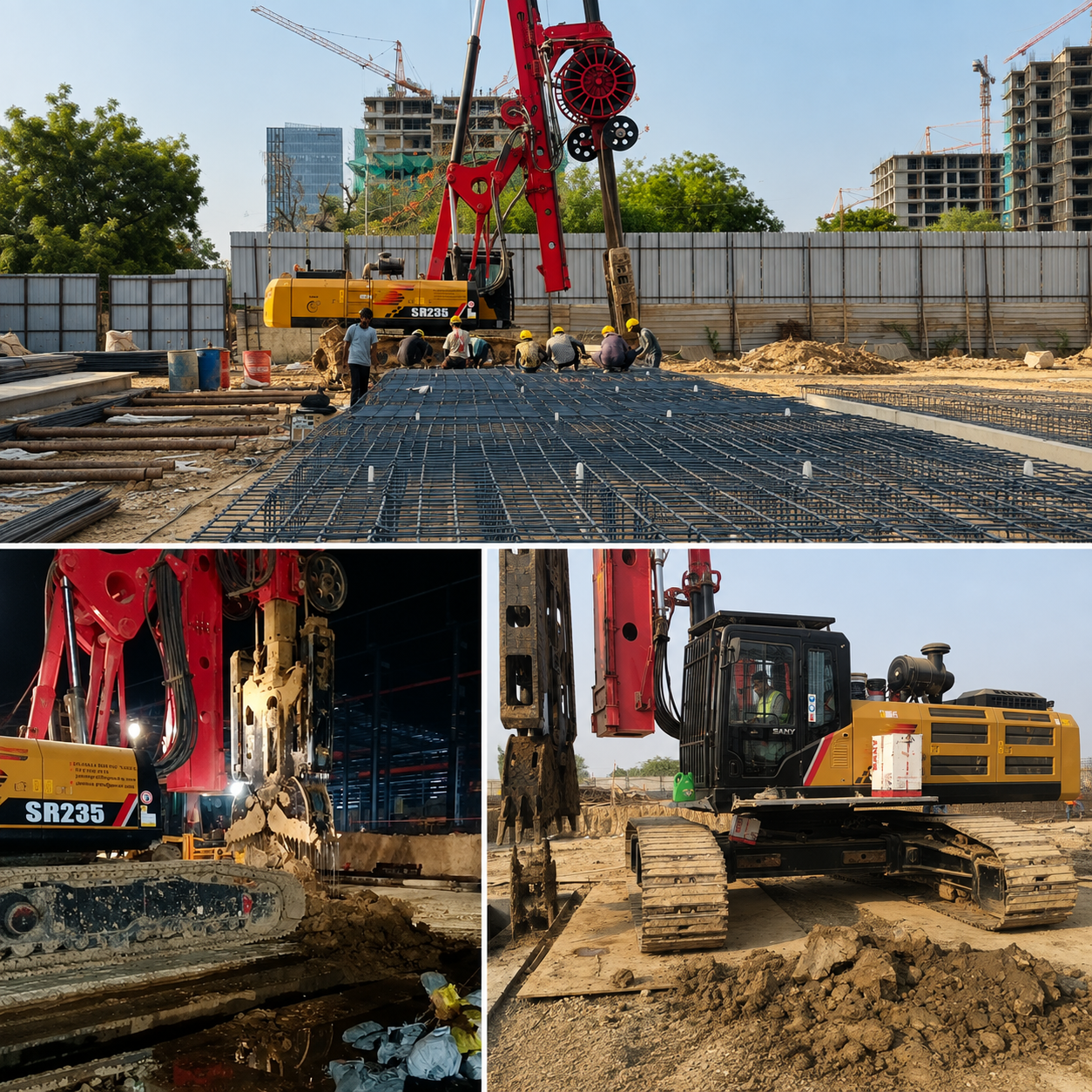
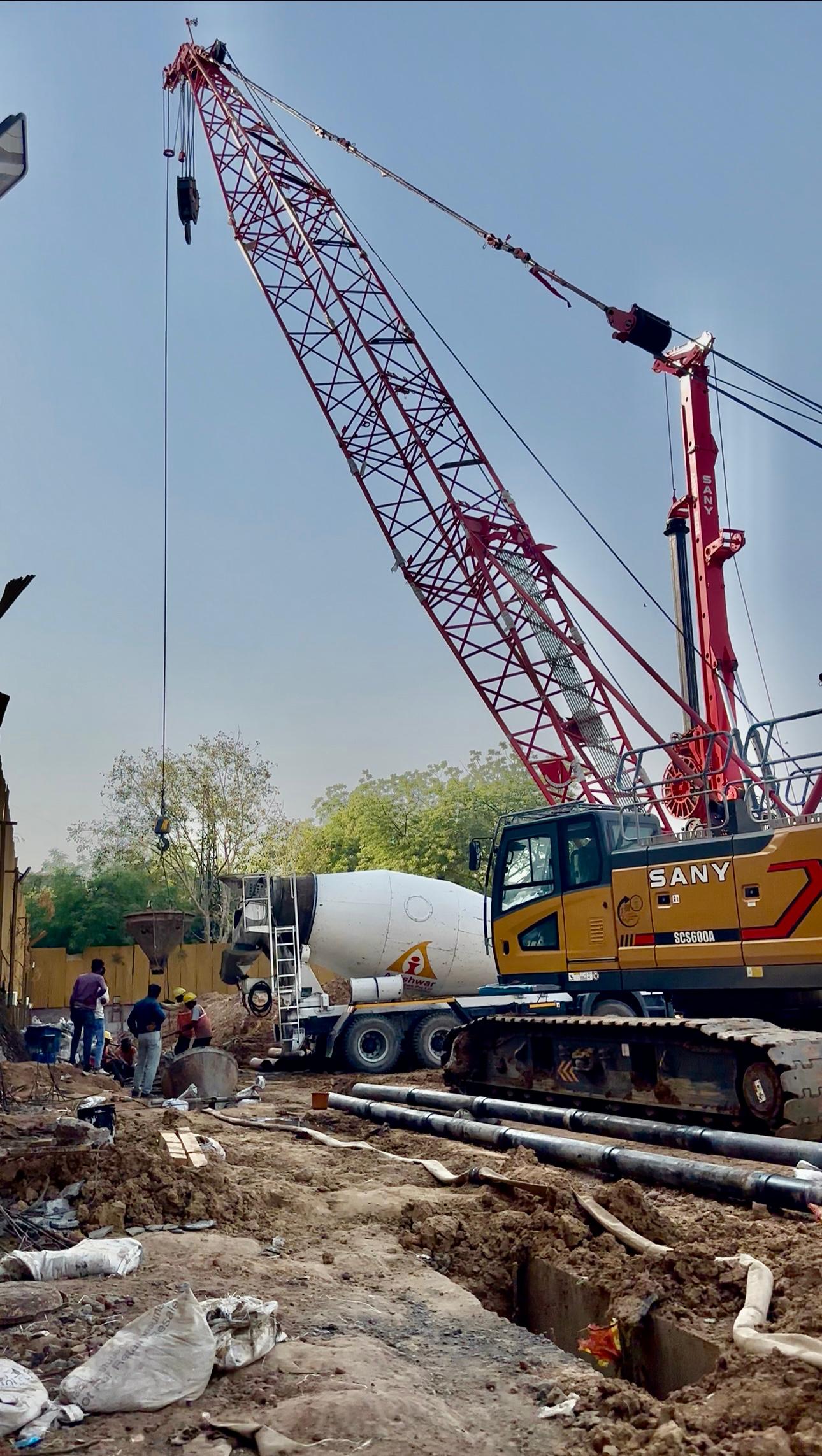
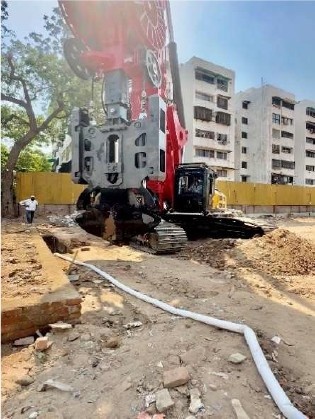
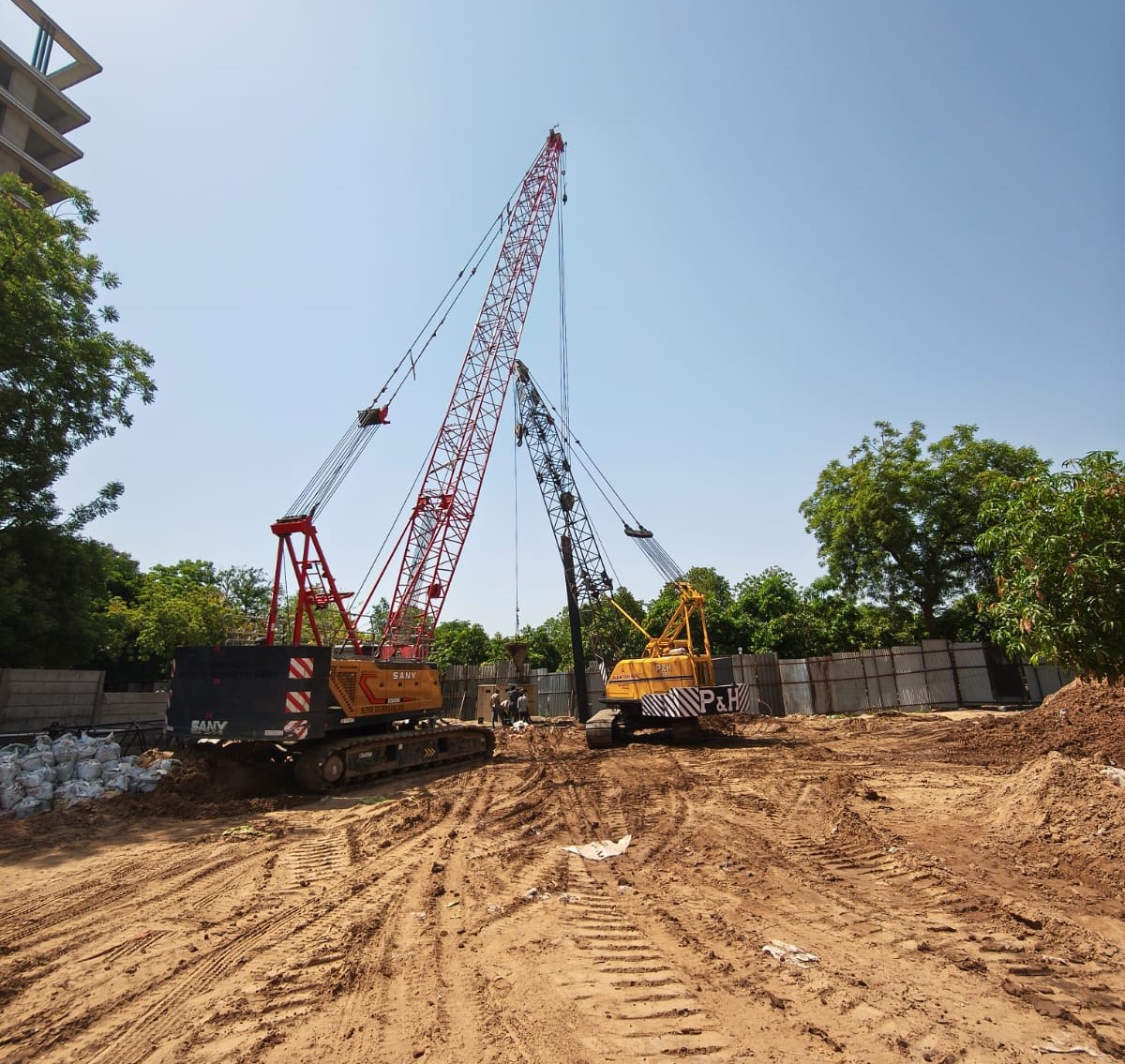
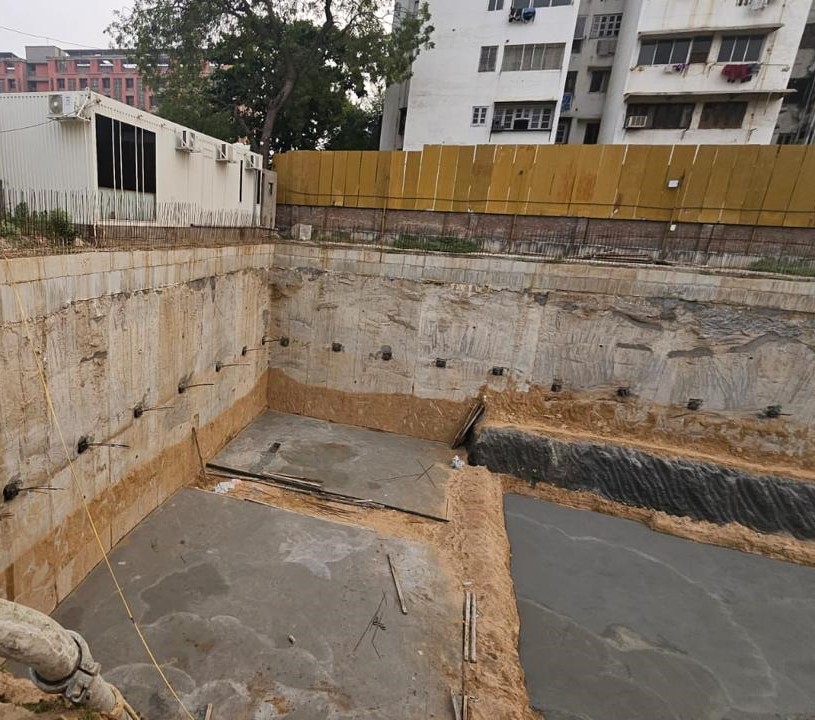
Survey, Setting Out & Guide Wall Construction
Detailed survey, panel marking, and guide wall construction for accurate alignment.
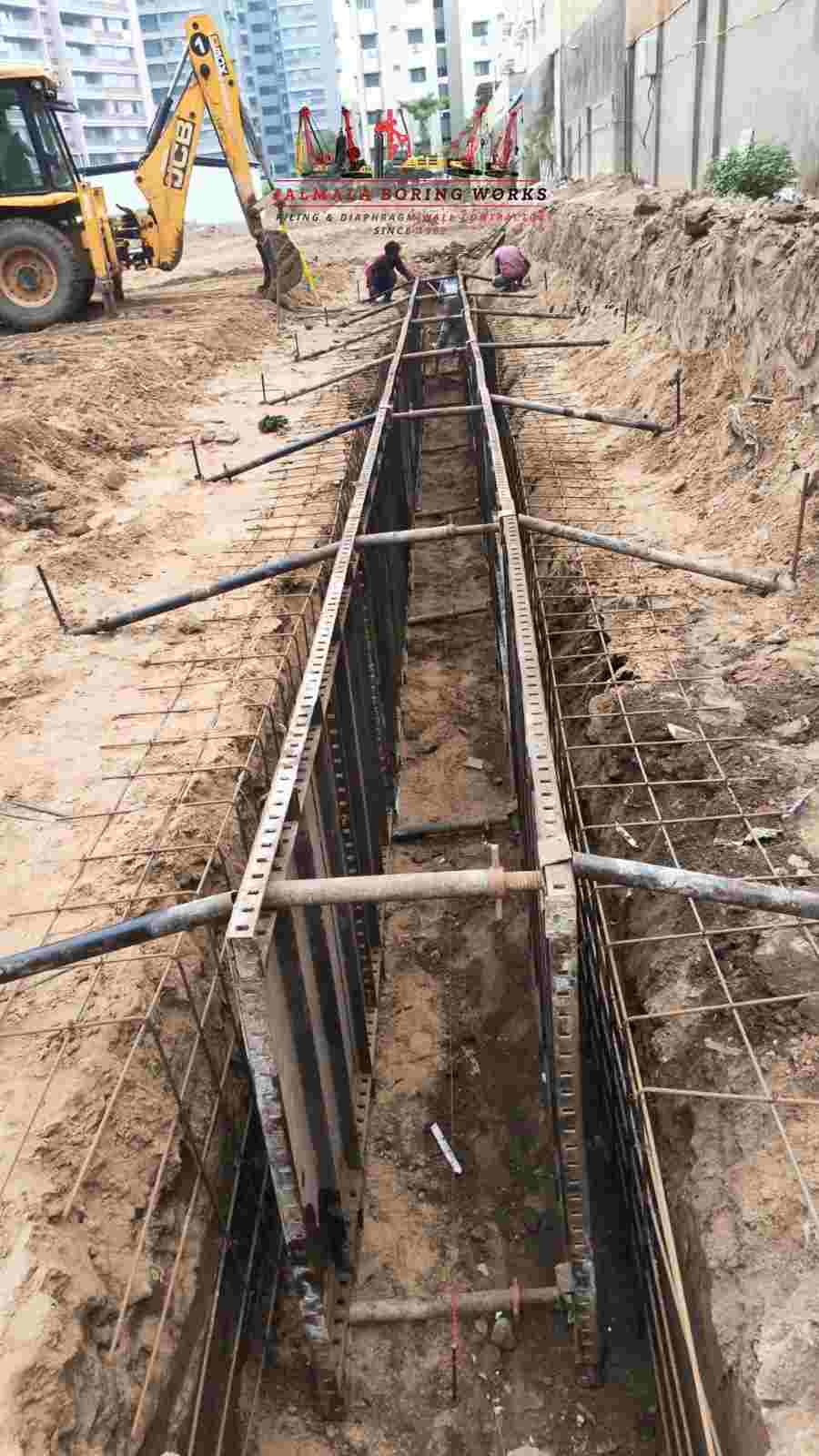
- Detailed survey and panel layout marking
- Construction of reinforced concrete guide walls
- Establishes accurate wall alignment
- Supports excavation equipment
- Prevents top soil collapse during excavation
Slurry Preparation & Panel Excavation
Preparation of slurry and excavation of diaphragm wall panels.
- Preparation of bentonite/polymer slurry
- Excavation using Hydraulic Grab or Hydromill
- Continuous slurry circulation for stability
- Excavation to required depth and founding strata
- Regular monitoring of depth and verticality
Joint Formation & Trench Cleaning
Formation of watertight joints and cleaning of excavated trench.
- Installation of Stop-End Pipes
- PVC Water Stopper installation
- Formation of watertight panel joints
- Desanding and slurry cleaning
- Removal of sediment from trench bottom
- Final trench inspection
Reinforcement Cage Installation
Fabrication and placement of reinforcement cage into trench.
- Fabrication as per approved drawings
- Installation of spacers and couplers
- Lowering cage into slurry-filled trench
- Maintains required concrete cover
- Pre-concreting quality inspection
Tremie Concreting
Continuous concrete placement using tremie pipes.
- Installation of tremie pipes
- Concrete poured from bottom to top
- Displacement and recovery of slurry
- Single uninterrupted concreting operation
- Formation of reinforced concrete wall panels
Panel Completion, Quality Control & Wall Formation
Final wall formation, testing, and quality assurance activities.
- Removal of stop-end elements
- Construction of secondary panels
- Formation of continuous watertight wall
- Verification of alignment and thickness
- Concrete quality testing and records
- Wall head trimming for capping beam
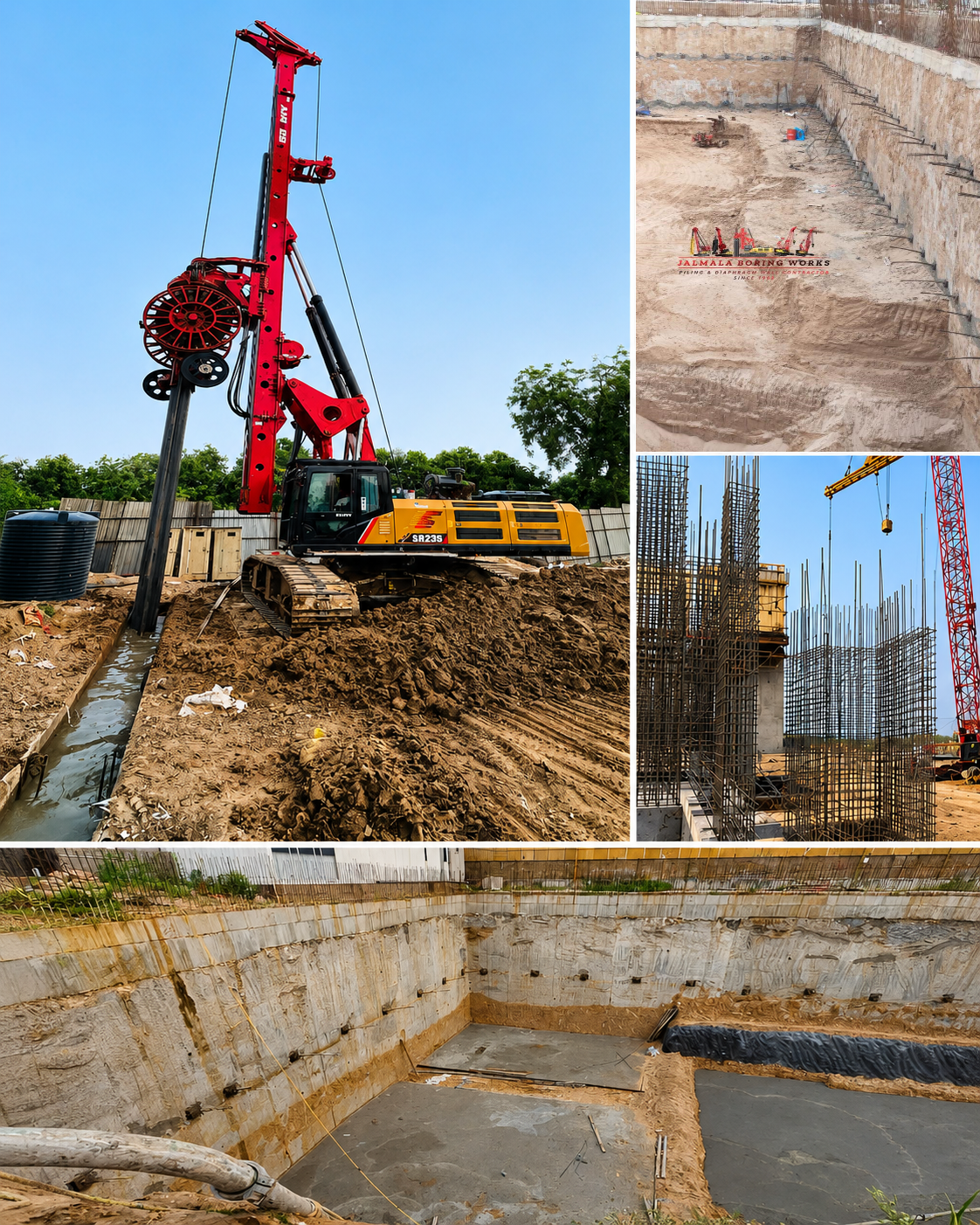
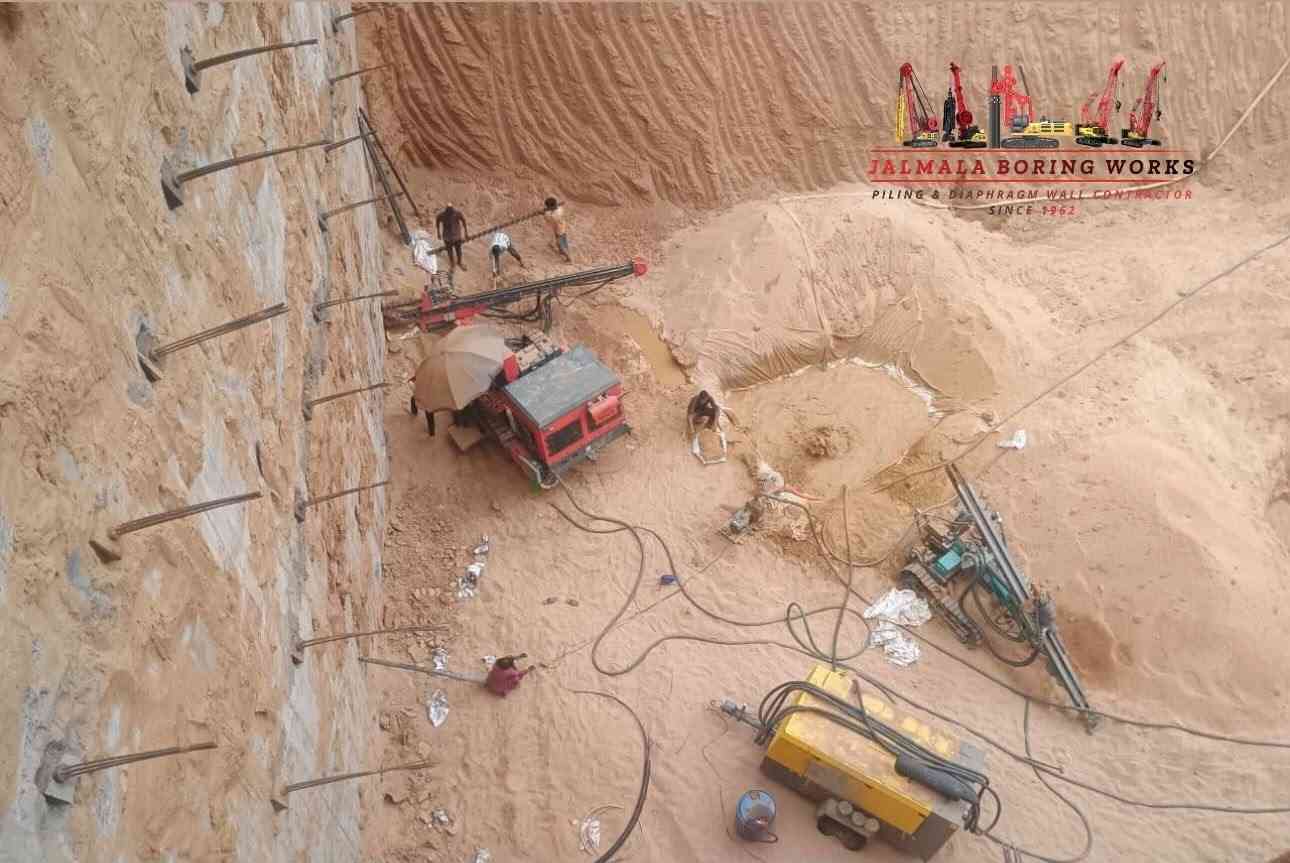
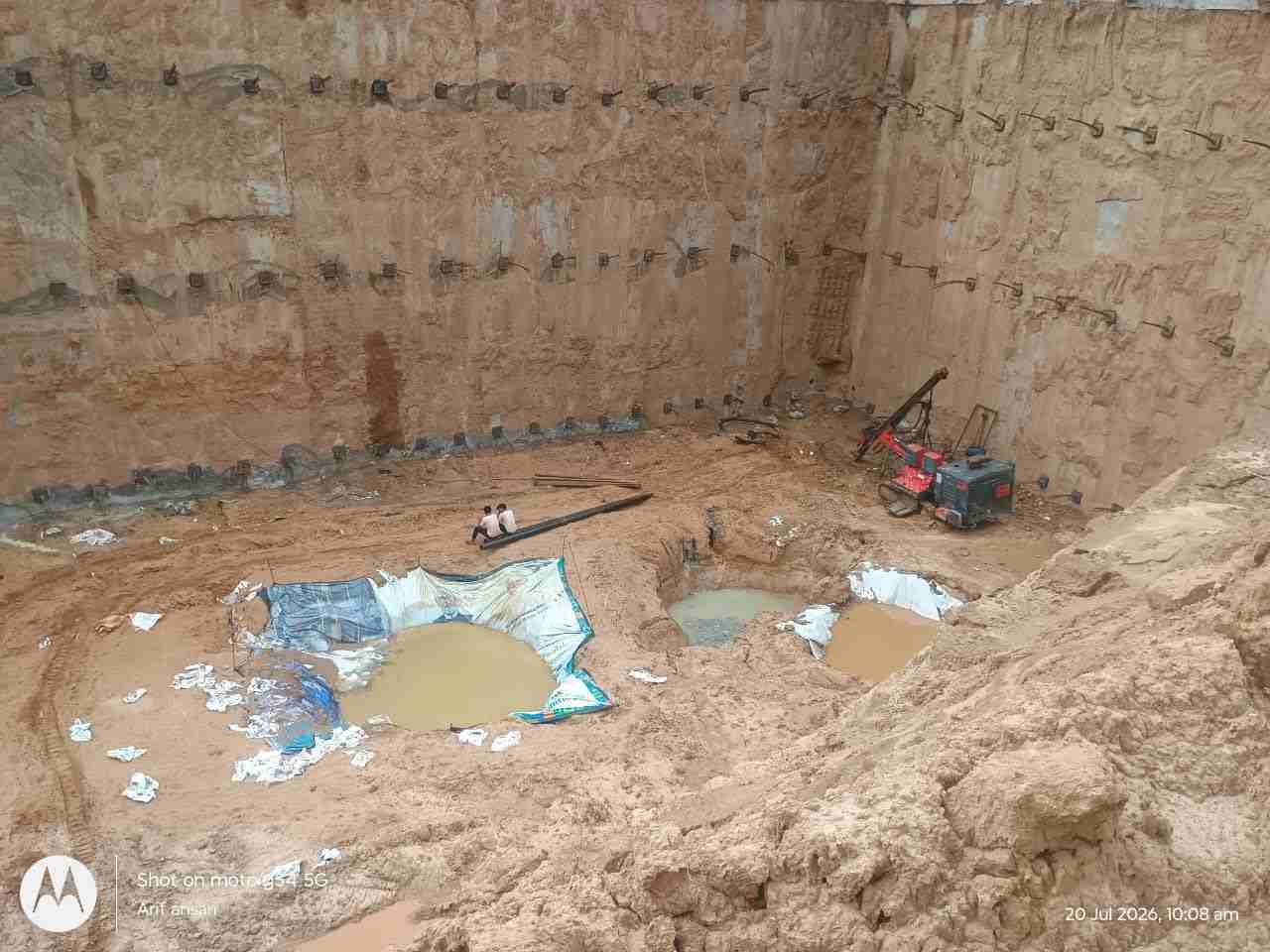
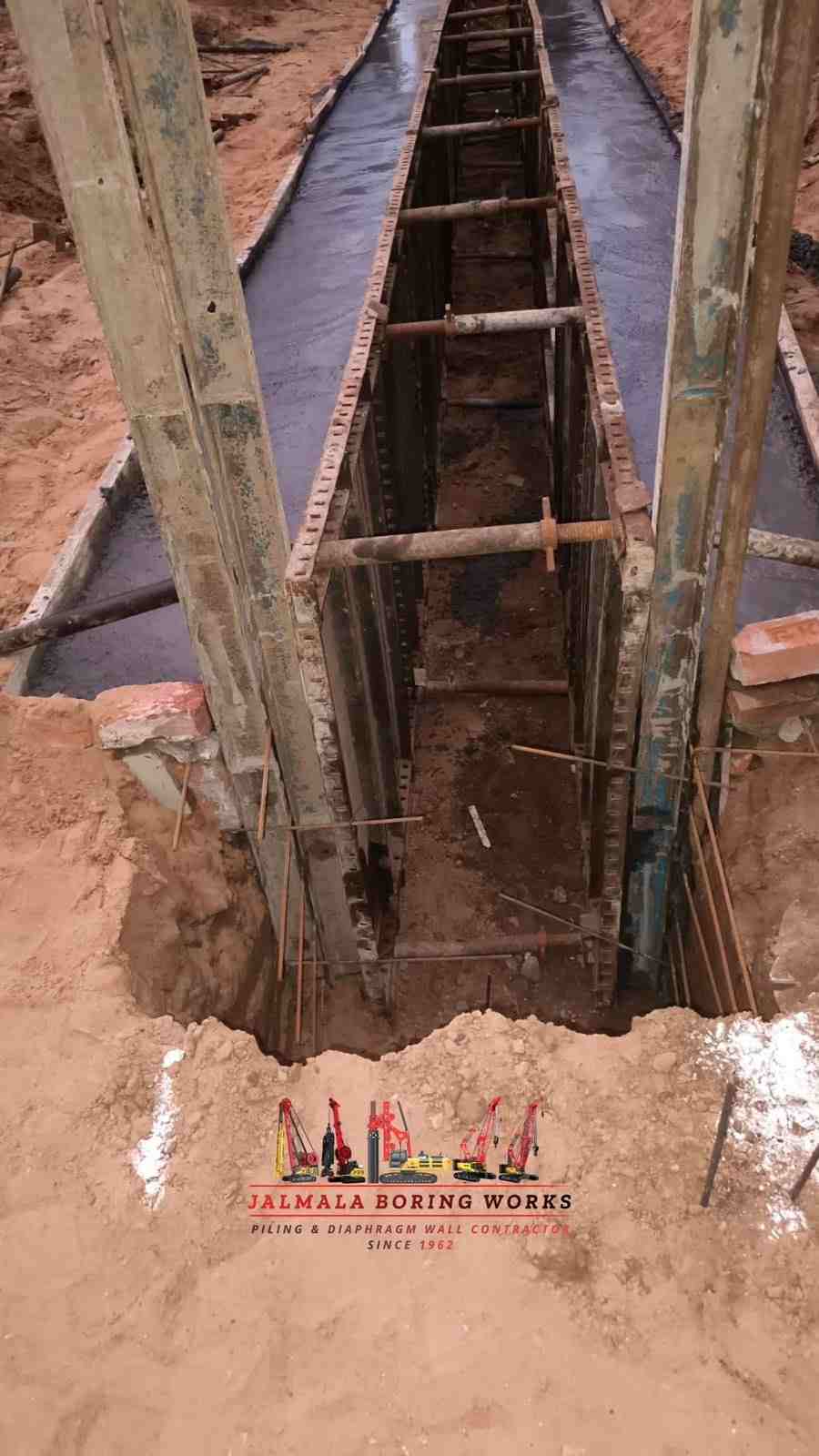
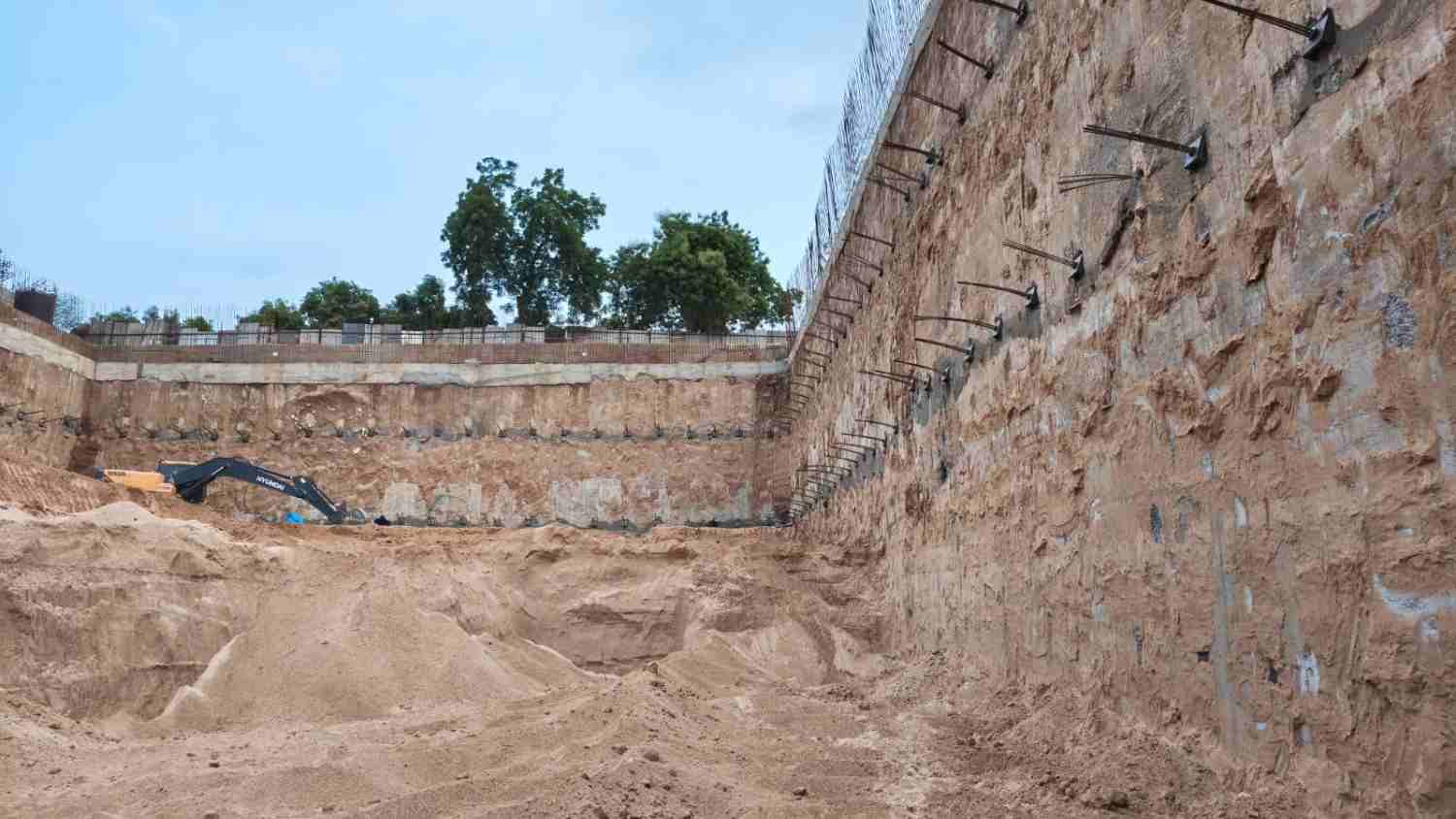
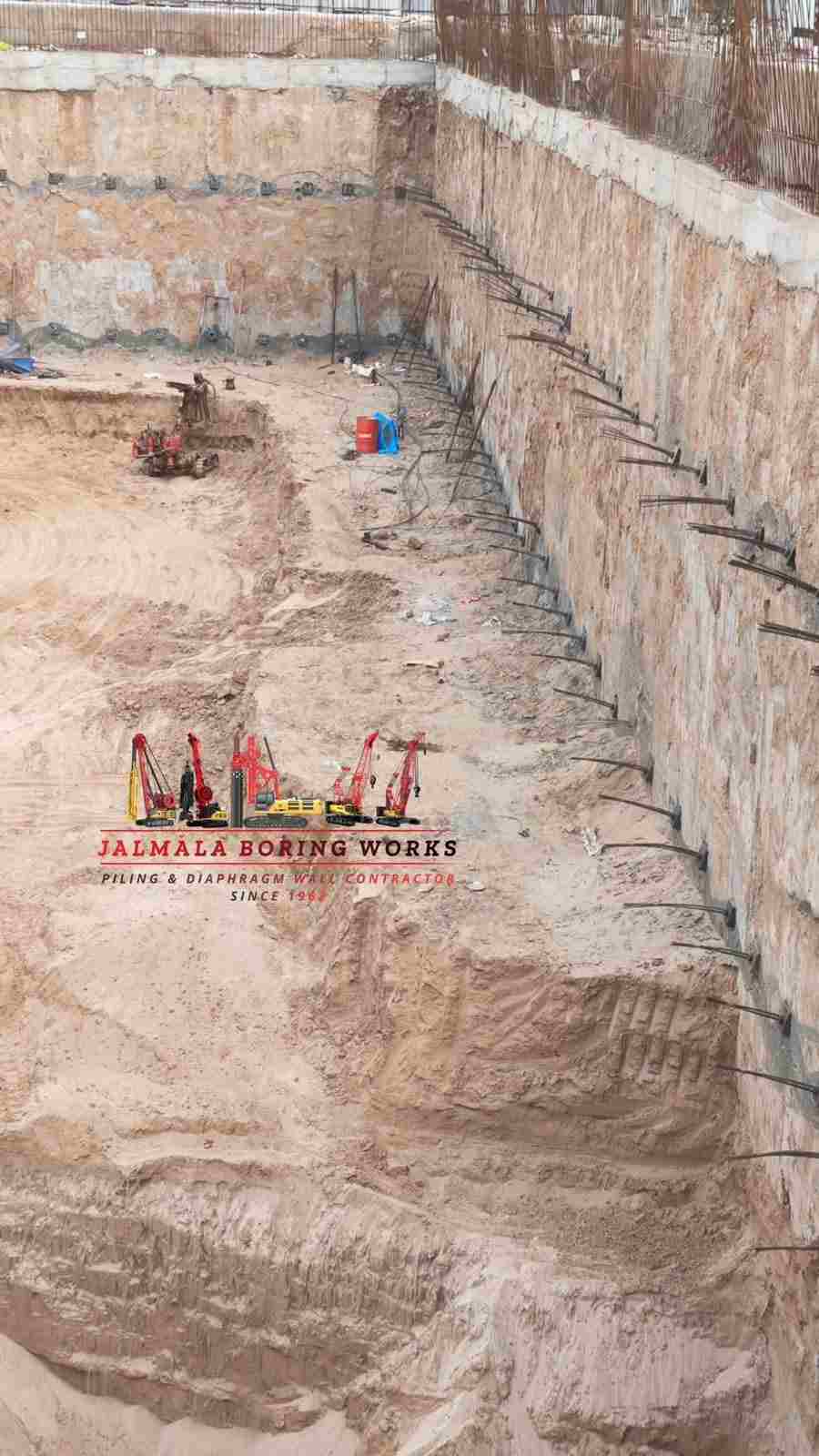
Execution Gallery
Recent Projects
Deep Excavation Diaphragm Wall in India
Deep excavation projects require suitable retaining arrangements, careful ground assessment and coordinated construction activities. Diaphragm walls are commonly considered for deep basements, underground structures and major infrastructure developments where an engineered underground retaining system is required. Jalmala Boring Works brings foundation construction experience dating back to 1962, modern equipment and project execution capabilities for diaphragm wall-related work across India.
Since 1962
More than six decades of family-owned foundation engineering experience.
Modern Equipment
Modern SANY hydraulic piling and diaphragm wall rigs for specialized construction work.
India-Wide Operations
Project operations across more than 20 Indian states.
What Is a Diaphragm Wall for Deep Excavation?
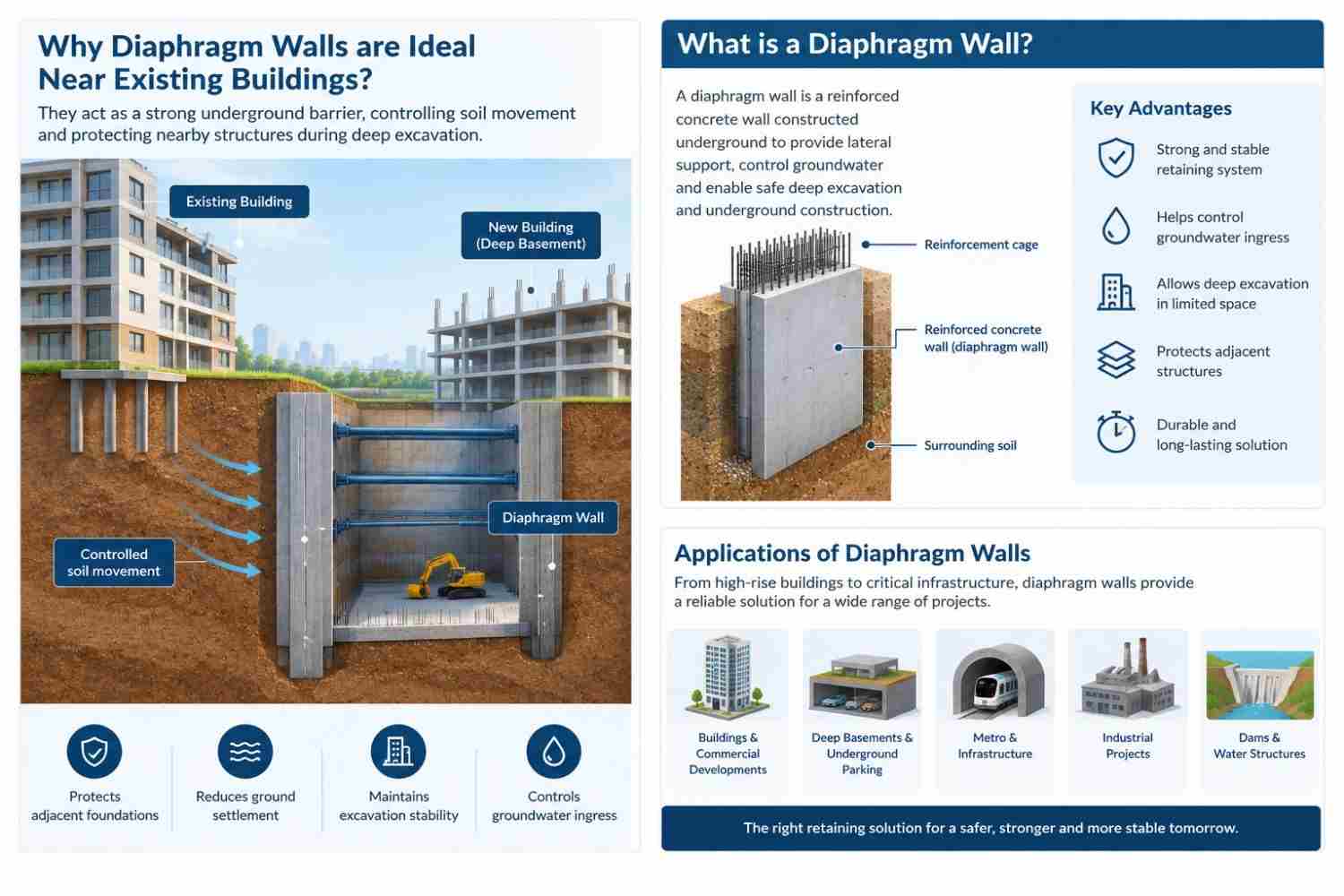
A diaphragm wall is a reinforced concrete underground structure generally constructed in individual panels using specialized excavation equipment. It can serve as a retaining wall for deep excavation and may also form part of a permanent underground structure, depending on the engineering design. The wall system is used where construction requires excavation below existing ground level and where soil retention and groundwater conditions need to be considered.
Deep excavation work is often more complicated in developed urban locations because of restricted site access, adjacent buildings, existing utilities and varying ground conditions. A diaphragm wall system may be selected after reviewing the geotechnical investigation, structural design, excavation depth and surrounding site environment. Its dimensions, reinforcement and construction sequence must be determined by the project's qualified engineers.
Importance of Diaphragm Walls in Deep Excavation
Excavating deep below ground level can create considerable lateral earth pressure and may affect surrounding ground and structures. A suitable retaining arrangement is therefore an important part of excavation planning. Diaphragm walls can provide structural support along excavation boundaries and may be integrated with temporary support systems or permanent basement construction.
The suitability of a diaphragm wall depends on factors such as soil profile, groundwater level, excavation geometry, nearby foundations, construction access and project specifications. Engineering analysis is required to establish the wall design and any additional bracing or anchoring requirements.
Applications of Deep Excavation Diaphragm Walls
Diaphragm wall construction is used in several sectors where underground space and deep excavation are part of the development plan. Common applications include:
Deep Excavation Diaphragm Wall Construction Process
Diaphragm wall construction requires a systematic sequence of site preparation, excavation, reinforcement and concreting activities. The methodology is finalized according to project drawings, geotechnical conditions and engineering specifications.
1. Site Investigation and Planning
The available soil investigation report, groundwater information, excavation depth, surrounding structures and project drawings are reviewed before construction planning.
2. Guide Wall Construction
Guide walls are prepared along the planned alignment to help maintain the required excavation position and guide the diaphragm wall equipment.
3. Panel Excavation
Specialized diaphragm wall equipment excavates individual panels to the specified dimensions and depth. The excavation sequence is selected according to site conditions.
4. Slurry Preparation and Management
Where a slurry-supported excavation method is specified, bentonite slurry is prepared, circulated and monitored according to the project's technical requirements.
5. Trench Cleaning and Reinforcement
The excavated trench is cleaned and checked before the designed reinforcement cage is positioned using appropriate lifting arrangements.
6. Concrete Placement
Concrete is placed using the specified method, commonly tremie concreting for slurry-supported panels. Construction checks and records are maintained as required.
Equipment and Construction Capabilities
Specialized equipment is essential for carrying out diaphragm wall excavation and related foundation activities. Jalmala Boring Works operates modern SANY hydraulic piling and diaphragm wall rigs. Equipment deployment is planned according to the required excavation depth, panel dimensions, site access, ground conditions and technical specifications. Appropriate machinery and coordination help organize the different stages of underground construction.
Along with equipment, project execution requires trained operators, site supervision, lifting arrangements, slurry handling and coordination with reinforcement and concreting teams. Each construction activity needs to follow the approved methodology and relevant project safety procedures.
Deep Excavation Diaphragm Wall Services in Gujarat and Ahmedabad
Gujarat has a wide range of industrial, commercial and infrastructure construction requirements. Diaphragm walls may be considered for developments involving deep basements, underground facilities and large excavation areas. In Ahmedabad, urban construction projects can require careful planning because of neighboring structures, limited working areas, existing utilities and varying ground conditions.
Jalmala Boring Works is based in Ahmedabad, Gujarat, and undertakes foundation engineering projects across the state and other parts of India. The company has operations across more than 20 Indian states. Project execution is considered according to site location, technical requirements, equipment availability and construction scope.
Why Consider Jalmala Boring Works?
Choosing a contractor for deep excavation diaphragm wall work requires consideration of practical construction experience, specialized equipment, quality processes and project coordination. Jalmala Boring Works is a family-owned, third-generation foundation engineering company operating since 1962. Its experience covers pile foundations, diaphragm walls and ground anchoring.
- ✓More than six decades of foundation engineering experience
- ✓Family-owned, third-generation company
- ✓Modern SANY hydraulic piling and diaphragm wall rigs
- ✓ISO 9001:2015 certified processes
- ✓Operations across more than 20 Indian states
- ✓Experience in deep foundation and underground construction activities
- ✓Focus on bentonite slurry management and site coordination
- ✓Attention to project planning and timely execution
Quality and Safety Considerations
Deep excavation and diaphragm wall activities involve underground work, heavy machinery, lifting operations, slurry handling and concrete placement. Construction planning should consider site-specific risks and the approved engineering methodology. Quality checks may cover panel positioning, excavation depth, slurry properties, trench cleanliness, reinforcement placement and concrete records.
Jalmala Boring Works follows ISO 9001:2015 certified processes and emphasizes organized construction practices. Site safety arrangements and quality documentation are carried out in accordance with applicable project requirements. The final execution method is determined by approved drawings and the responsible engineering team.
Frequently Asked Questions
What is a diaphragm wall for deep excavation?
A diaphragm wall is an underground reinforced concrete wall constructed in panels. It can act as a retaining structure to support soil around deep excavation areas, subject to the project design.
Why are diaphragm walls used for deep basement construction?
Diaphragm walls can provide an engineered retaining system for deep basement excavation. Their suitability depends on soil conditions, groundwater, excavation depth, nearby structures and structural design.
How is a diaphragm wall constructed?
The typical process includes guide wall construction, panel excavation, support slurry management, trench cleaning, reinforcement cage installation and concrete placement using the specified method.
Does Jalmala Boring Works undertake deep excavation projects in India?
Jalmala Boring Works undertakes foundation engineering projects across India, including diaphragm wall-related work, depending on project scope, technical requirements and site conditions.
Does the company serve Gujarat and Ahmedabad?
Yes. Jalmala Boring Works is based in Ahmedabad, Gujarat, and undertakes projects across Gujarat and other Indian states, subject to project requirements.
How can I discuss a deep excavation project?
Contact Jalmala Boring Works at +91 93745 45415 or jalmala.pile@gmail.com. You can share the project location, excavation depth, drawings and available soil investigation details.
Discuss Your Deep Excavation Project
Planning a deep basement, underground structure or infrastructure project? Contact Jalmala Boring Works to discuss your diaphragm wall construction requirements. Share your project location, drawings, excavation depth and available soil investigation information for an initial technical discussion.
Deep Excavation Diaphragm Wall Construction Solutions Across India
Deep excavation is an important part of modern construction, particularly in projects that require underground floors, parking facilities, transport infrastructure and large basement structures. Excavating below existing ground level requires suitable engineering arrangements to retain soil and manage the effects of excavation. A diaphragm wall is one of the specialized underground retaining systems considered for such projects. It is generally constructed using reinforced concrete panels and specialized excavation equipment. Jalmala Boring Works provides foundation engineering capabilities for diaphragm wall-related construction requirements across India.
Established in 1962, Jalmala Boring Works is a family-owned, third-generation foundation engineering company with more than six decades of industry experience. The company undertakes work involving pile foundations, diaphragm walls and ground anchoring. Its experience in foundation construction, modern machinery and site operations supports project requirements across different construction sectors. Clients looking fordeep excavation diaphragm wall solutions in Indiacan contact the company to discuss the project scope and technical requirements.
Diaphragm walls are particularly relevant where deep excavation requires an engineered retaining structure. Depending on the design, they can be used as temporary excavation support or as part of a permanent underground structure. Their application may include deep basements, underground parking, metro stations, tunnels, commercial buildings and industrial developments. The choice of retaining system depends on factors such as excavation depth, soil profile, groundwater conditions, adjacent buildings, available working space and the overall structural design.
Deep excavation projects require detailed planning before construction begins. Geotechnical investigation helps engineers understand the subsurface soil layers, groundwater conditions and other site characteristics. Structural drawings and excavation layouts are reviewed to establish the wall alignment, panel dimensions and construction sequence. The site must also be assessed for equipment movement, lifting operations, material storage and access for construction personnel. These considerations help determine a practical execution methodology for the project.
The diaphragm wall construction process generally starts with setting out and guide wall preparation. Guide walls help establish the required alignment and provide guidance during panel excavation. Specialized equipment then excavates the panels to the specified dimensions and depth. In slurry-supported construction, bentonite-based slurry may be used to support the trench during excavation. Slurry preparation, circulation, testing and management are important activities and must follow the project's technical specifications.
After panel excavation, the trench is cleaned and checked before reinforcement installation. The reinforcement cage is designed according to the structural requirements and lowered into position using suitable lifting equipment. Concrete is then placed using the method specified for the project, commonly tremie concreting for slurry-supported panels. Panel construction requires coordination between excavation, reinforcement, slurry and concreting activities. Inspection and documentation requirements should be followed throughout the process.
One of the major applications of deep excavation diaphragm walls is basement construction. Commercial complexes, residential towers, hospitals, hotels and institutional buildings may require underground levels for parking, services and additional usable space. In such developments, retaining systems must be evaluated according to soil conditions, groundwater, neighboring foundations and construction limitations. Diaphragm walls may form part of the selected engineering solution when the design and site conditions support their use.
Infrastructure projects also require underground construction solutions. Metro stations, tunnels, underground transport facilities and utility structures can involve extensive excavation below ground level. These projects may have specific requirements for wall alignment, excavation depth, construction access and coordination with other civil engineering activities. Jalmala Boring Works understands the importance of equipment planning and construction sequencing for specialized foundation work.
Modern equipment is an important part of diaphragm wall construction. Jalmala Boring Works operates modern SANY hydraulic piling and diaphragm wall rigs. The selection of equipment depends on panel size, excavation depth, soil conditions, site access and project specifications. Machinery planning is considered alongside manpower, lifting arrangements and other site resources. Proper coordination helps organize the different stages of foundation construction and maintain a planned workflow.
Bentonite slurry management is another important consideration for slurry-supported diaphragm wall excavation. The slurry system needs suitable preparation, circulation and monitoring according to the construction methodology. Excavated material handling, trench cleaning and panel preparation are also relevant before reinforcement cage installation. These activities require coordination and attention to the project's specified quality checks. Jalmala Boring Works gives importance to bentonite management as part of its foundation construction practices.
Gujarat has diverse industrial, commercial and infrastructure development requirements. Deep excavation may be required for industrial facilities, commercial buildings, underground parking and major civil engineering projects. Ahmedabad, as a major urban centre, has construction locations where underground development requires careful planning. Nearby buildings, site access, existing utilities and ground conditions can influence the selection and execution of a retaining system. A project-specific engineering assessment is essential before construction.
Jalmala Boring Works is based in Ahmedabad, Gujarat, and undertakes foundation engineering work across Gujarat and other Indian states. The company has project operations across more than 20 states in India. This geographical experience supports its ability to discuss construction requirements in different locations. Project execution planning considers the site location, scope of work, equipment deployment, technical specifications and coordination requirements.
Quality and safety are essential in deep excavation work because construction involves underground activities, heavy machinery, lifting operations, slurry handling and concrete placement. Jalmala Boring Works follows ISO 9001:2015 certified processes. Quality considerations may include checking excavation depth, panel alignment, slurry properties, trench cleanliness, reinforcement positioning and concrete placement records. Site-specific safety procedures and approved construction drawings must guide the work.
Timely execution also matters because foundation activities are connected to the overall construction schedule. Equipment availability, material coordination, manpower planning and the sequence of excavation and concreting can influence progress. Jalmala Boring Works focuses on organized construction planning and coordination to support project schedules. Actual completion timelines depend on the scope, ground conditions, design approvals and other site-related factors.
Builders, developers, infrastructure companies, engineering consultants and civil contractors planning deep excavation can discuss their requirements with Jalmala Boring Works. Sharing the project location, excavation depth, structural drawings, soil investigation report and expected schedule can help begin a technical discussion. The construction approach can then be considered according to the approved design and site conditions.
With experience dating back to 1962, modern SANY hydraulic equipment, ISO 9001:2015 certified processes and operations across India, Jalmala Boring Works provides foundation engineering capabilities for different project requirements. For deep excavation diaphragm wall construction in India, Gujarat or Ahmedabad, contact Jalmala Boring Works at +91 93745 45415 or email jalmala.pile@gmail.com to discuss your project requirements.