
Deep Basement Construction
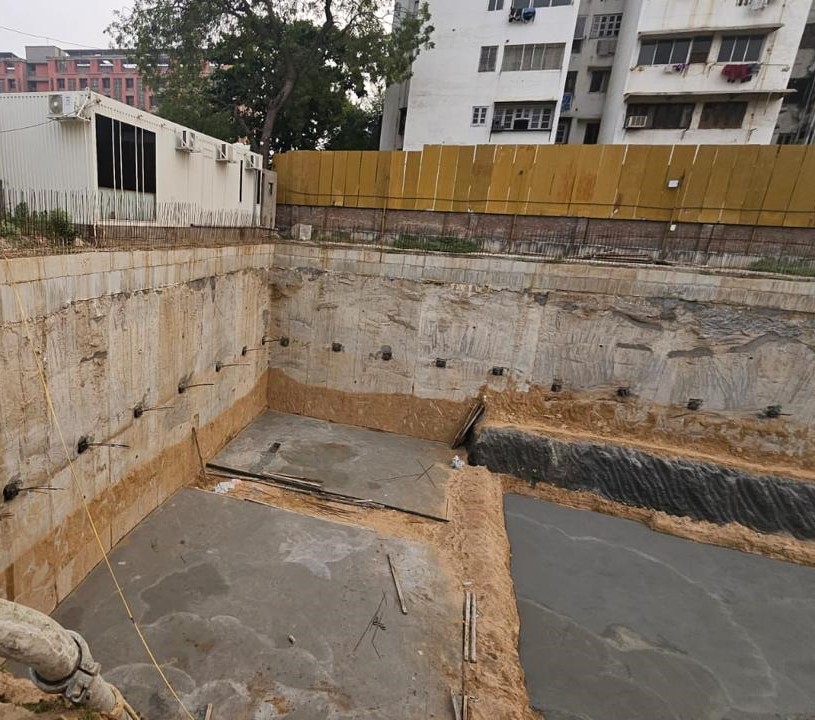
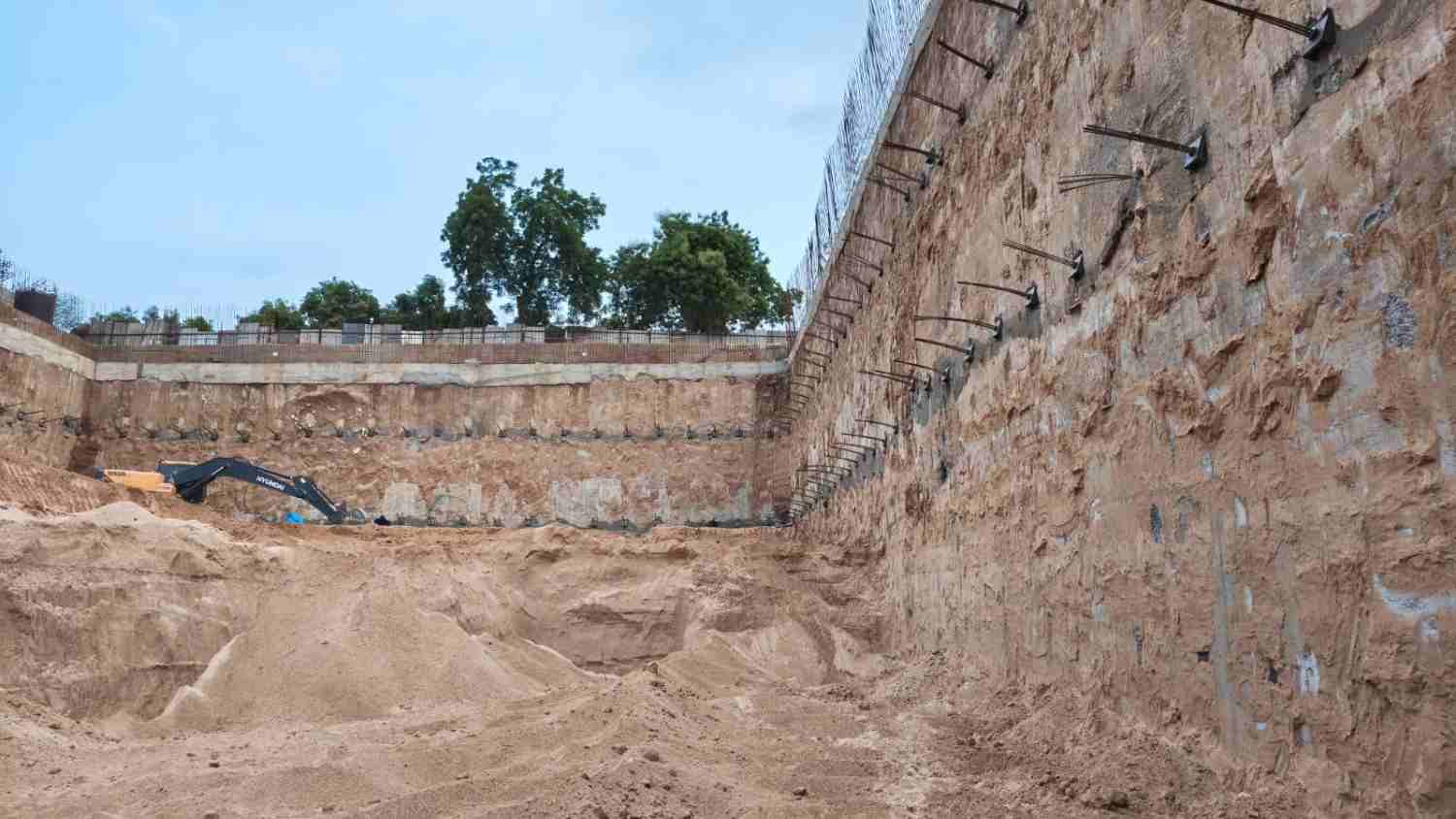
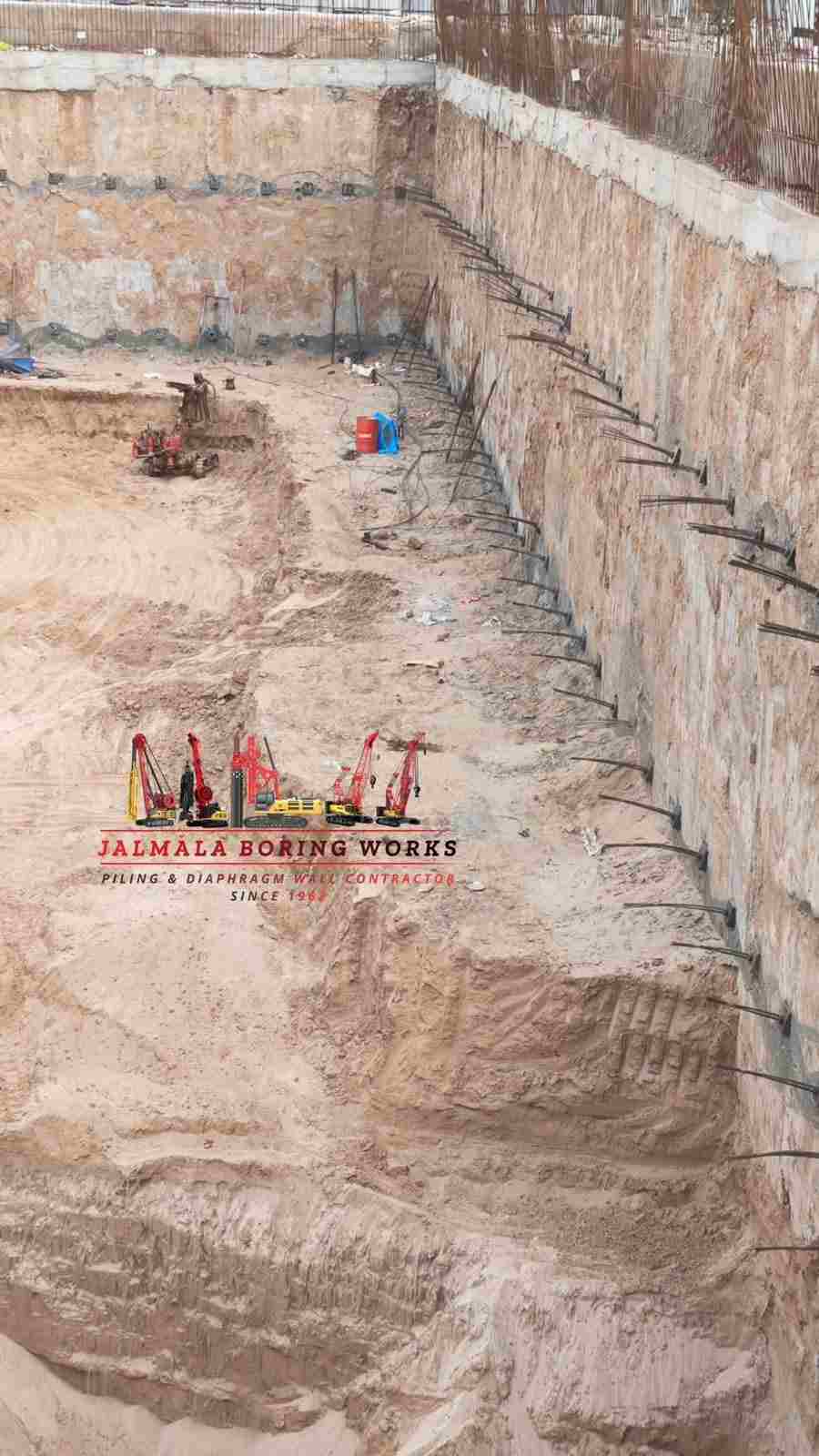
Ground anchors may provide additional lateral support to diaphragm walls during deep basement excavation for residential and commercial developments.
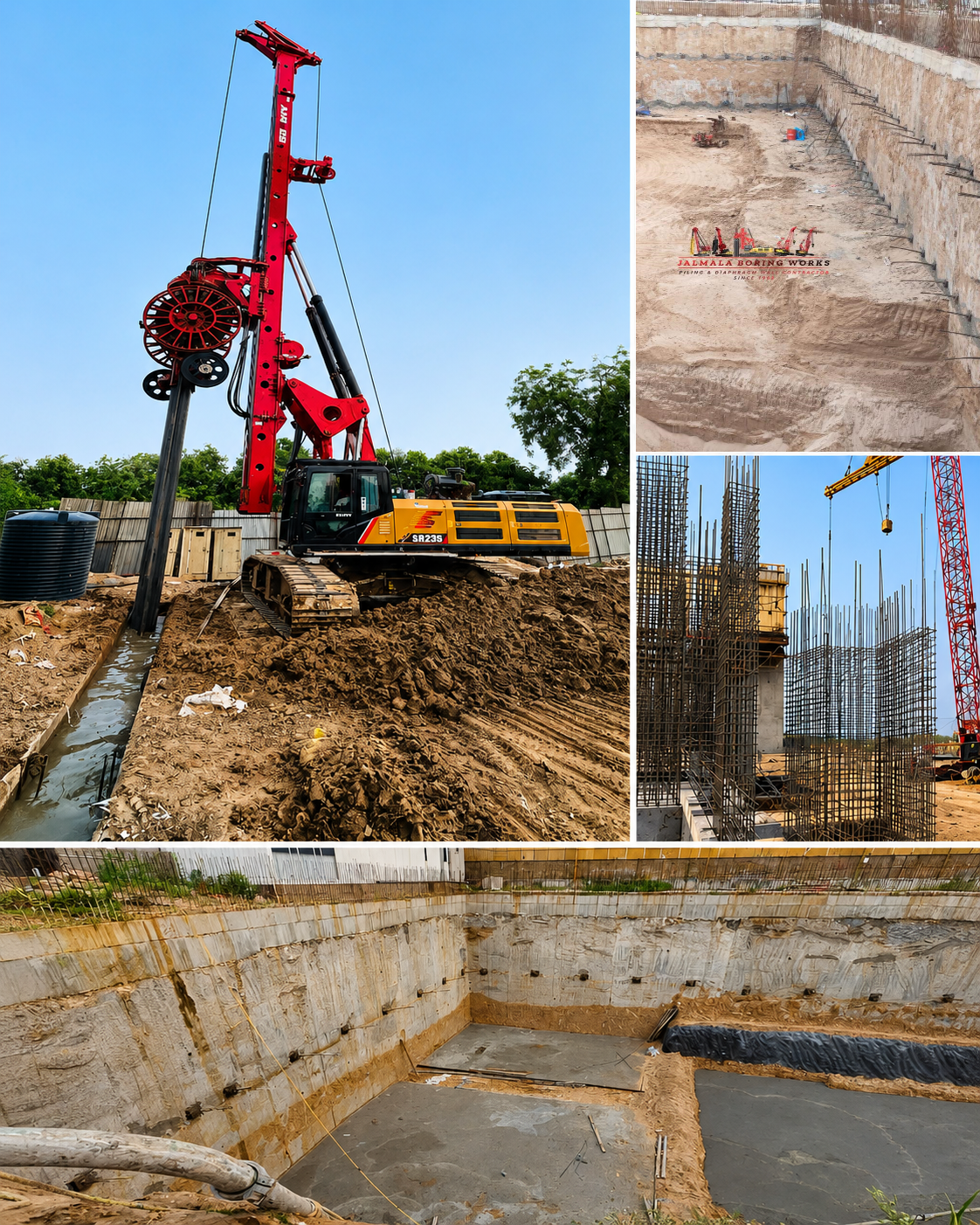
Deep Excavation & Retaining Wall Specialists
Jalmala Boring Works specializes in Diaphragm Wall Construction for deep excavations, basements, metro projects, commercial developments, and industrial infrastructure. We execute complete diaphragm wall work from 400 mm to 1200 mm thickness and depths of up to 40 metres, delivering watertight, high-strength retaining walls with minimal ground movement. Our end-to-end solution includes guide wall construction, slurry-supported panel excavation, reinforcement cage installation, tremie concreting, water-stop systems, and quality-controlled execution.
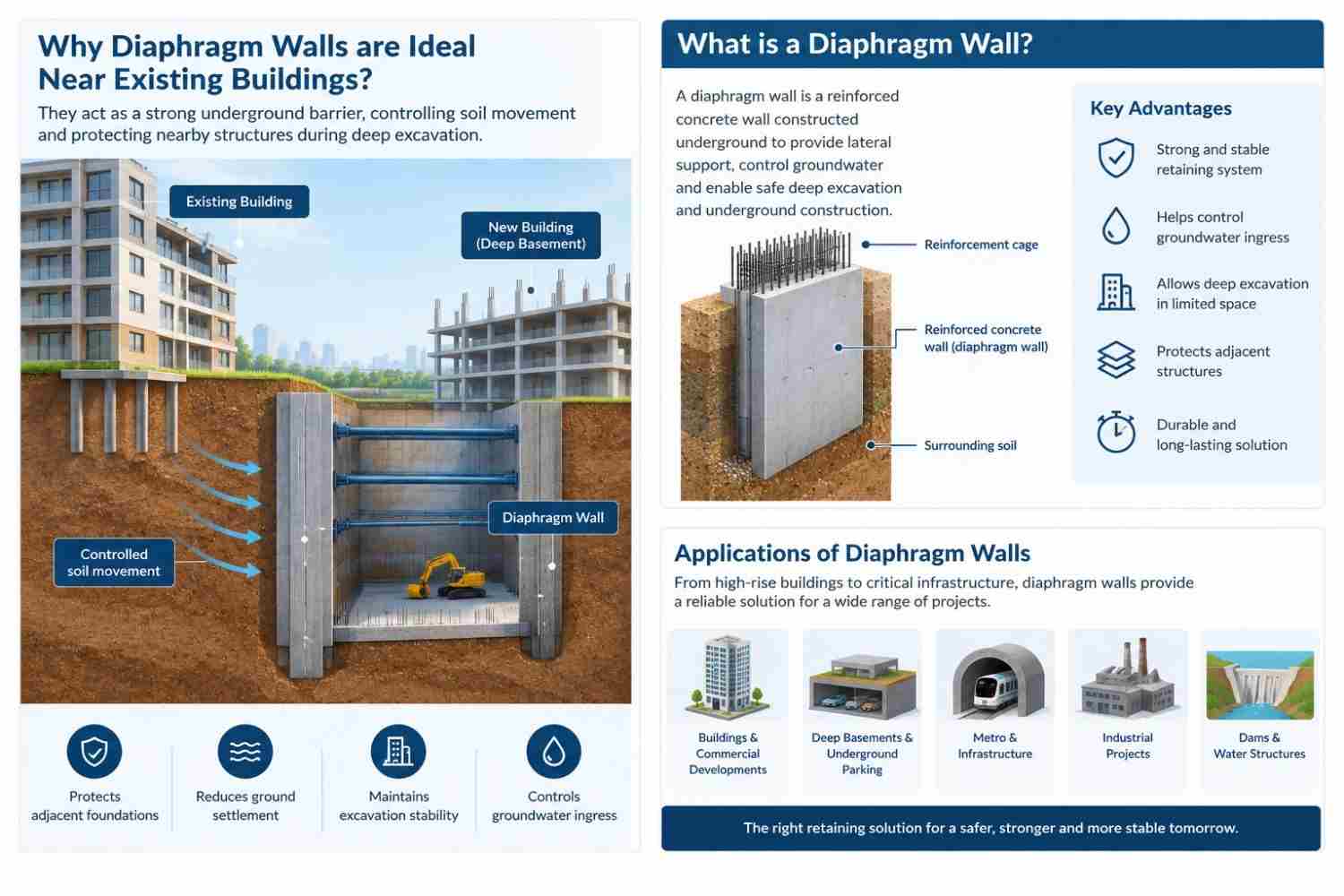
A step-by-step overview of how Jalmala Boring Works constructs high-quality Diaphragm Walls — from guide wall installation to final panel completion — with precision, safety, and six decades of expertise.
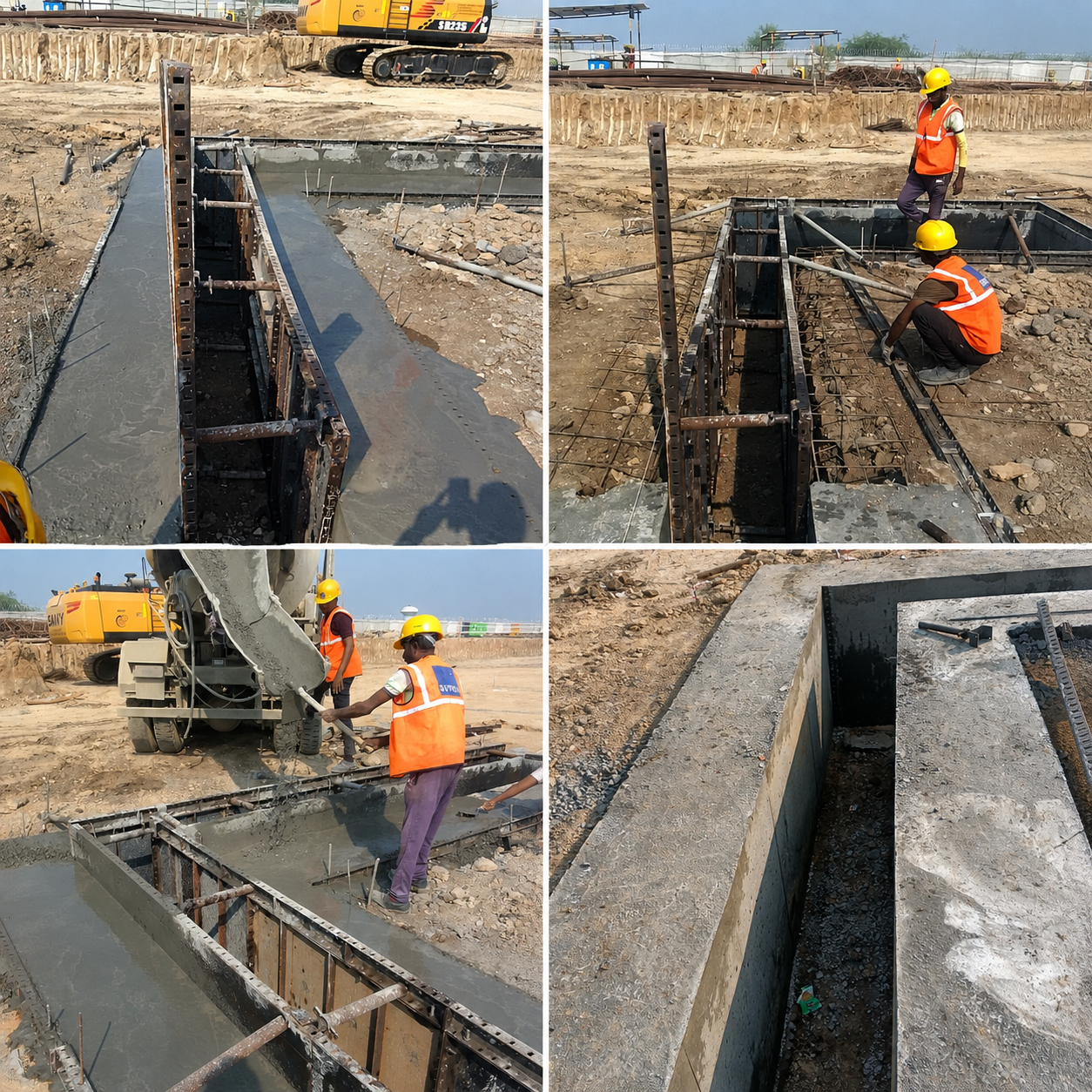
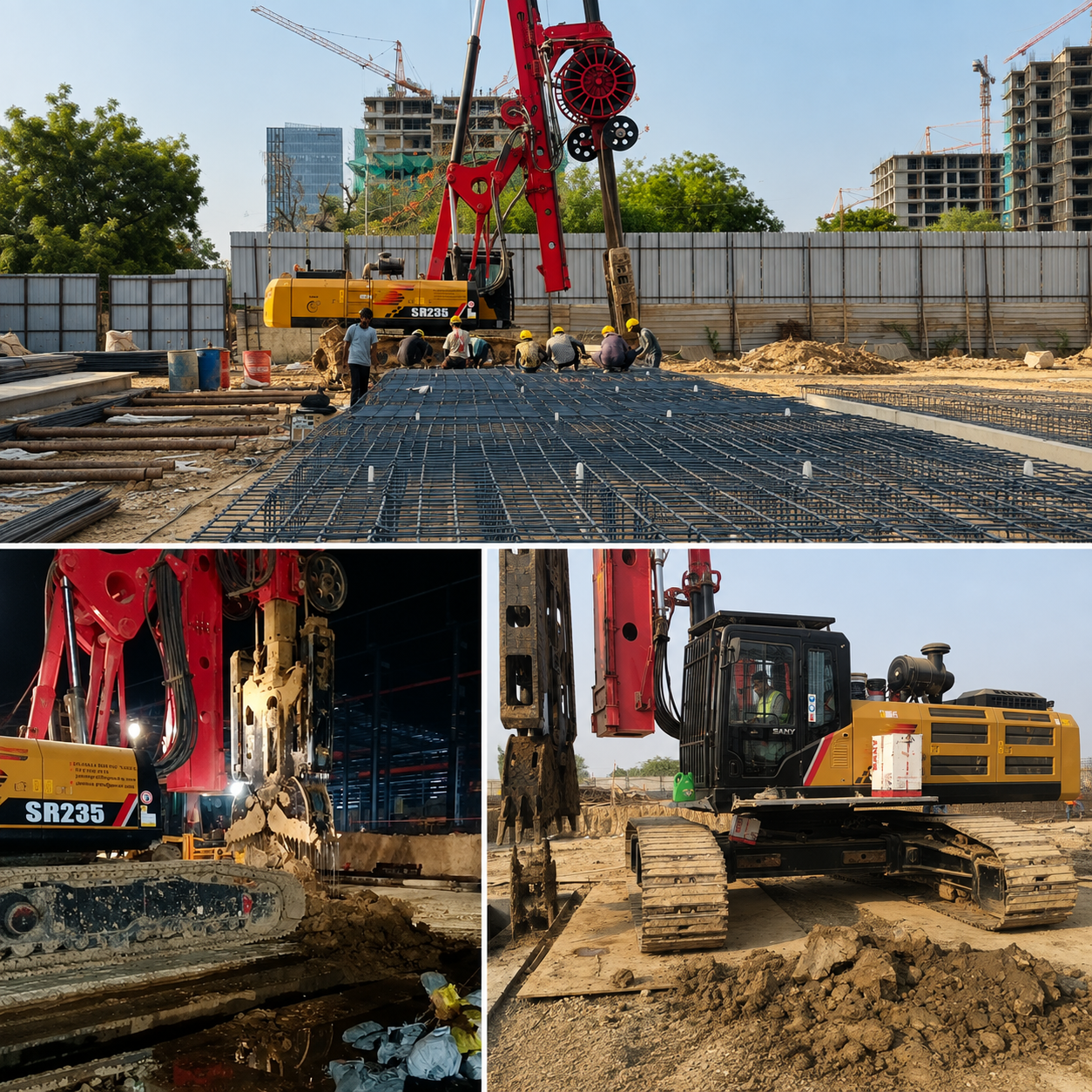
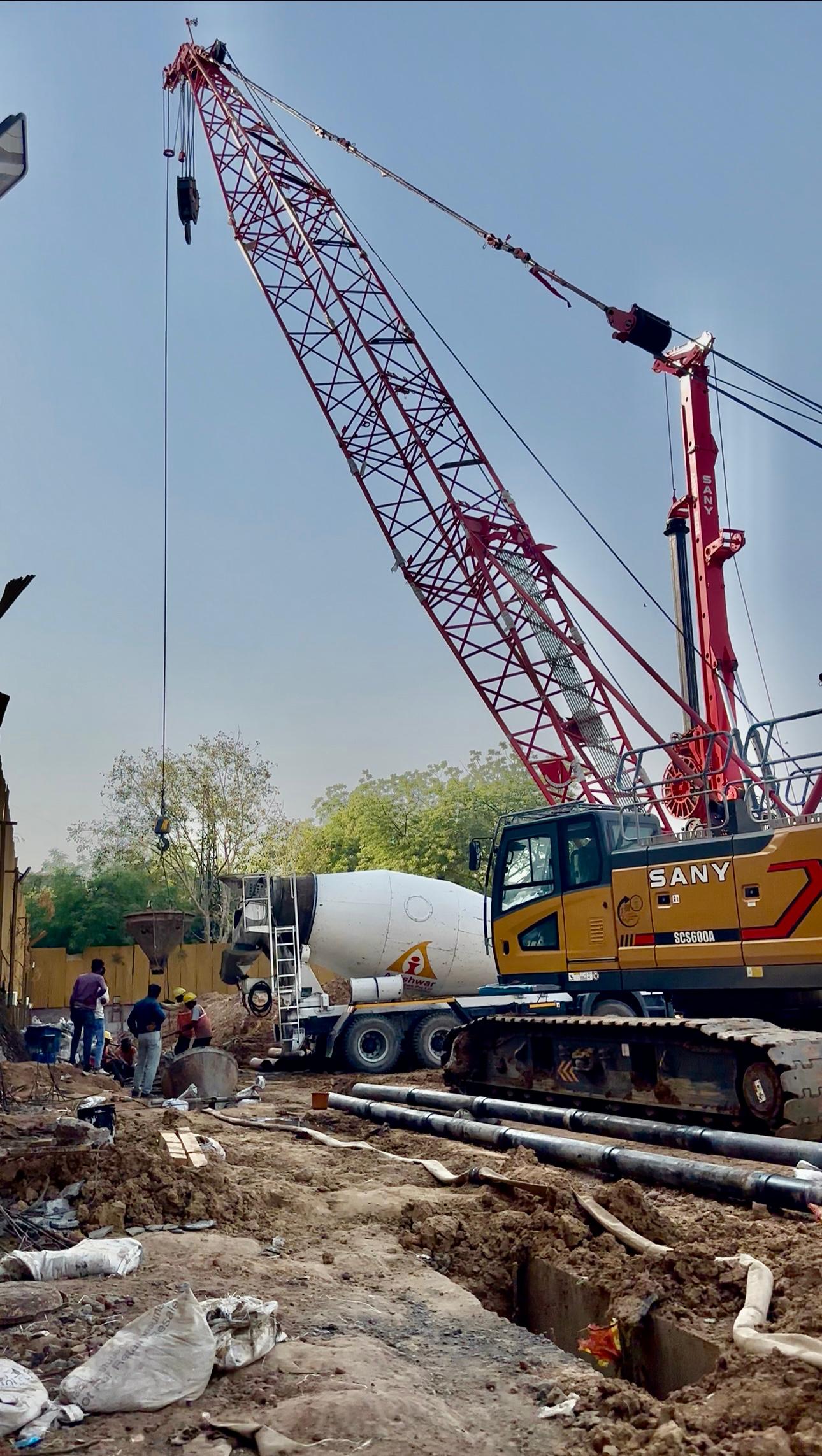
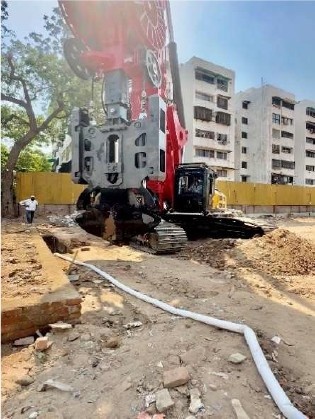
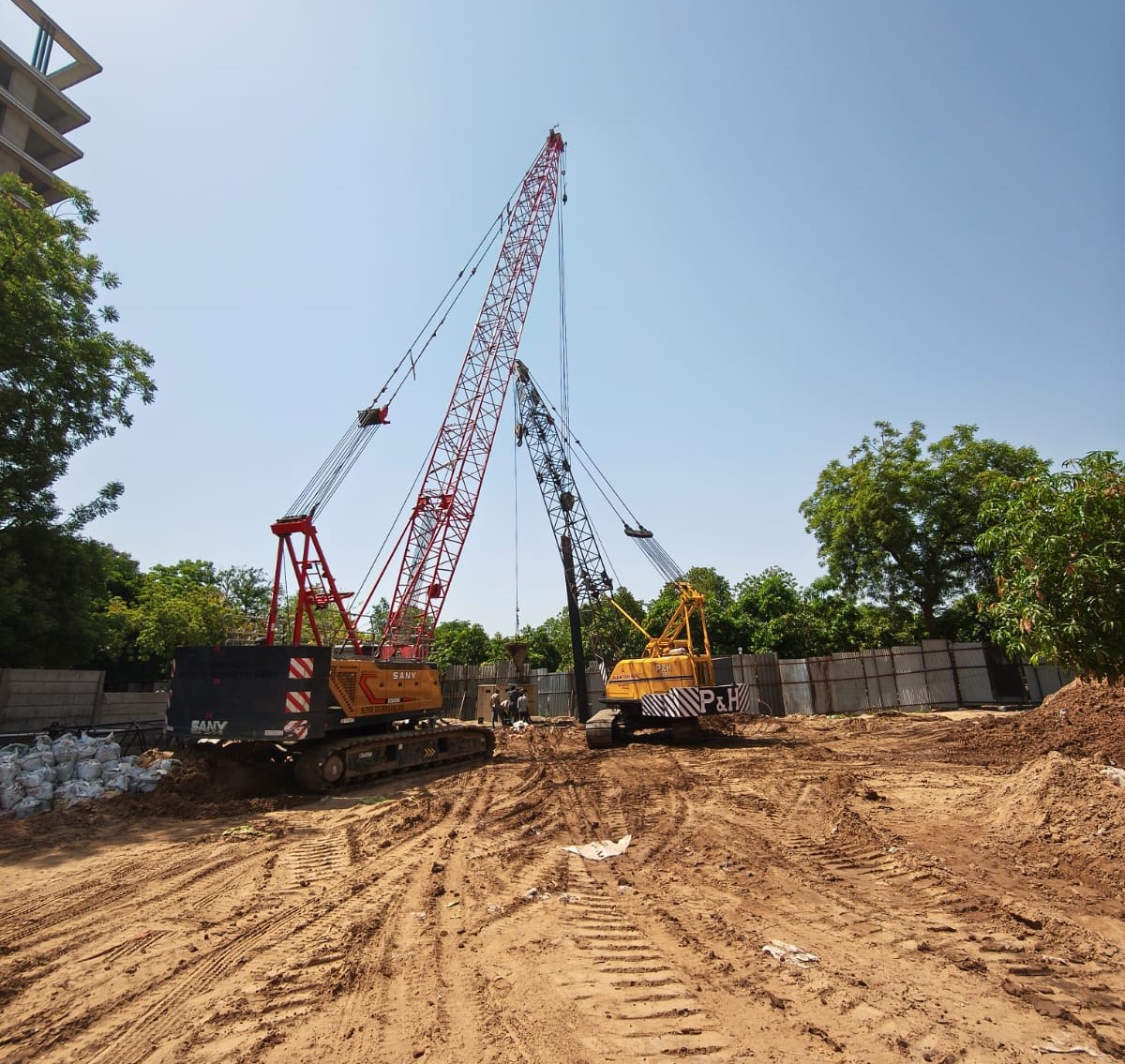
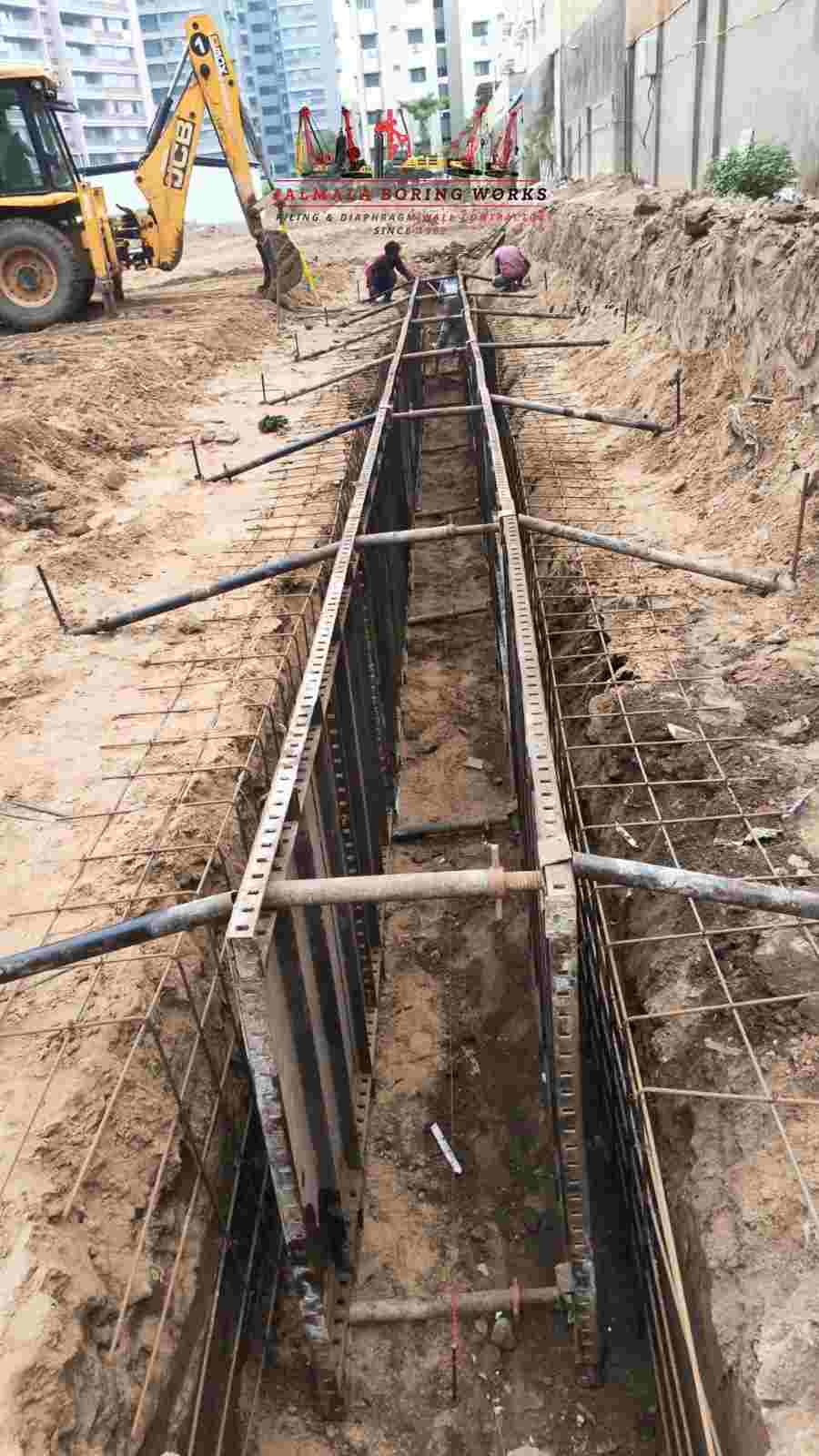
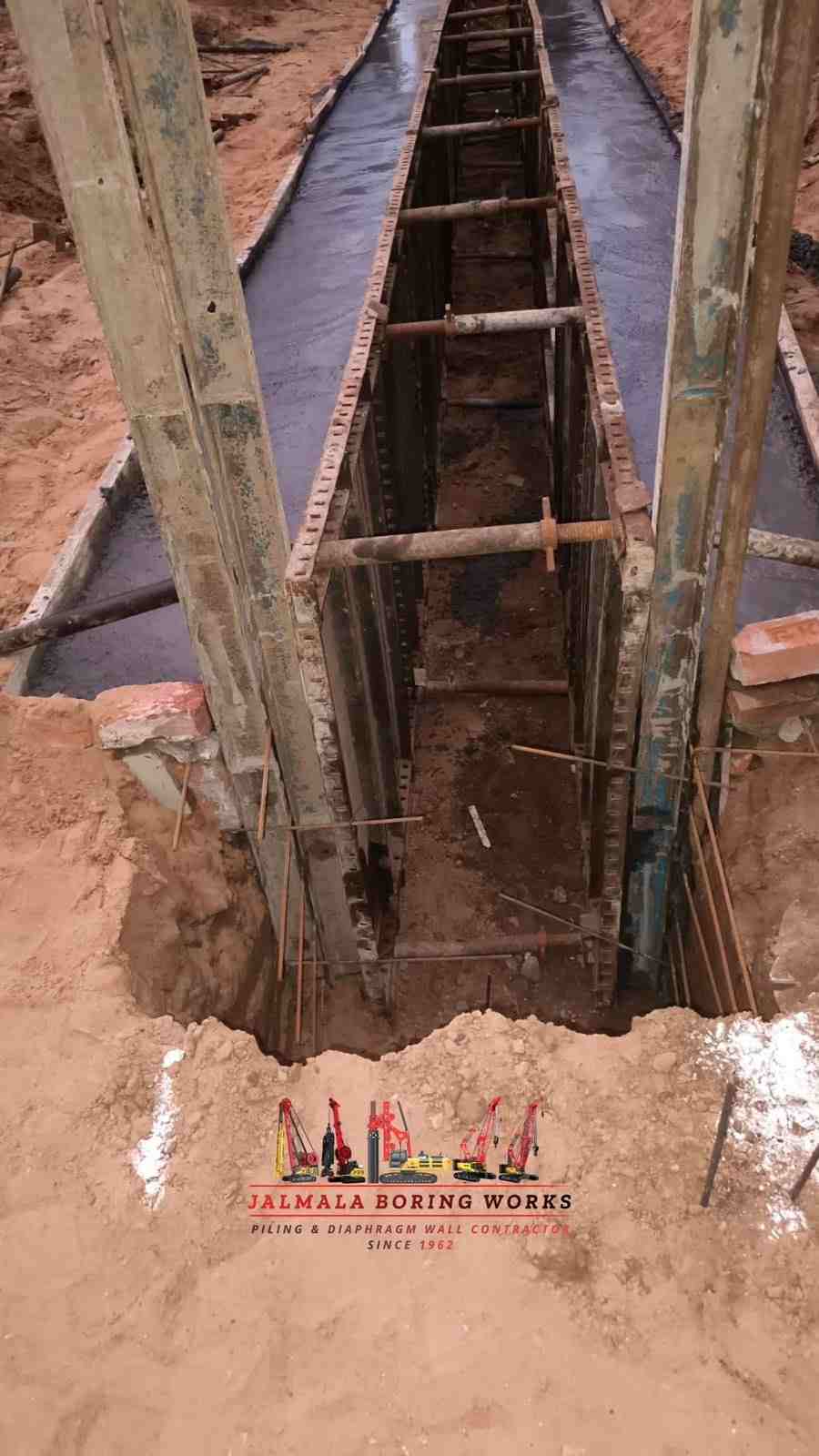
Detailed survey, panel marking, and guide wall construction for accurate alignment.
Preparation of slurry and excavation of diaphragm wall panels.
Formation of watertight joints and cleaning of excavated trench.
Fabrication and placement of reinforcement cage into trench.
Continuous concrete placement using tremie pipes.
Final wall formation, testing, and quality assurance activities.
Deep Foundation and Ground Engineering
Jalmala Boring Works is a family-owned, third-generation foundation construction company specializing in pile foundations, diaphragm walls and ground anchors since 1962. With more than six decades of hands-on industry experience and a fleet of modern SANY hydraulic piling and diaphragm wall rigs, the company supports demanding foundation requirements for infrastructure, commercial, industrial and residential developments.
A diaphragm wall anchor contractor plays an important role in selected deep excavation projects where additional retaining wall support is required. Ground anchors transfer forces from the wall into suitable soil or rock and form part of an engineered excavation support system. Jalmala Boring Works brings its foundation construction experience to projects requiring diaphragm wall anchor contracting services in India.
Ground Anchor Contracting
Diaphragm walls are widely used as retaining structures for deep basements, underground parking facilities, metro infrastructure and large-scale construction developments. Depending on excavation depth, soil characteristics, groundwater conditions and surrounding structures, the retaining system may require additional support.
Ground anchors, often referred to as tieback anchors, can be incorporated into the wall support arrangement when permitted by the approved design. Their location, spacing, inclination, bond length and stressing loads are determined through project-specific engineering. Jalmala Boring Works supports foundation construction requirements involving diaphragm wall anchor installation.
Established Foundation Company
Generation Family Business
Modern Hydraulic Equipment
Project Service Coverage
Project Applications
Diaphragm wall anchoring may be considered for a wide range of underground and deep excavation construction projects. The final anchoring arrangement depends on engineering calculations, geotechnical conditions and site limitations.
Ground anchors may provide additional lateral support to diaphragm walls during deep basement excavation for residential and commercial developments.
Anchored retaining systems can be considered for underground parking projects requiring excavation close to neighbouring buildings or existing infrastructure.
Ground anchoring may be incorporated into engineered excavation support systems for underground metro stations and associated infrastructure.
Diaphragm wall anchors can support selected retaining arrangements for high-rise developments and commercial construction in restricted urban locations.
Anchoring systems may be used for industrial basements, utility structures and deep excavation works where additional wall support is required.
Ground anchors can form part of retaining and excavation support systems for underground construction and infrastructure development.
Contractor Scope
The scope of a diaphragm wall anchoring package can vary according to the contract, design responsibilities and project requirements. Typical installation activities may include the following operations when included in the approved scope.
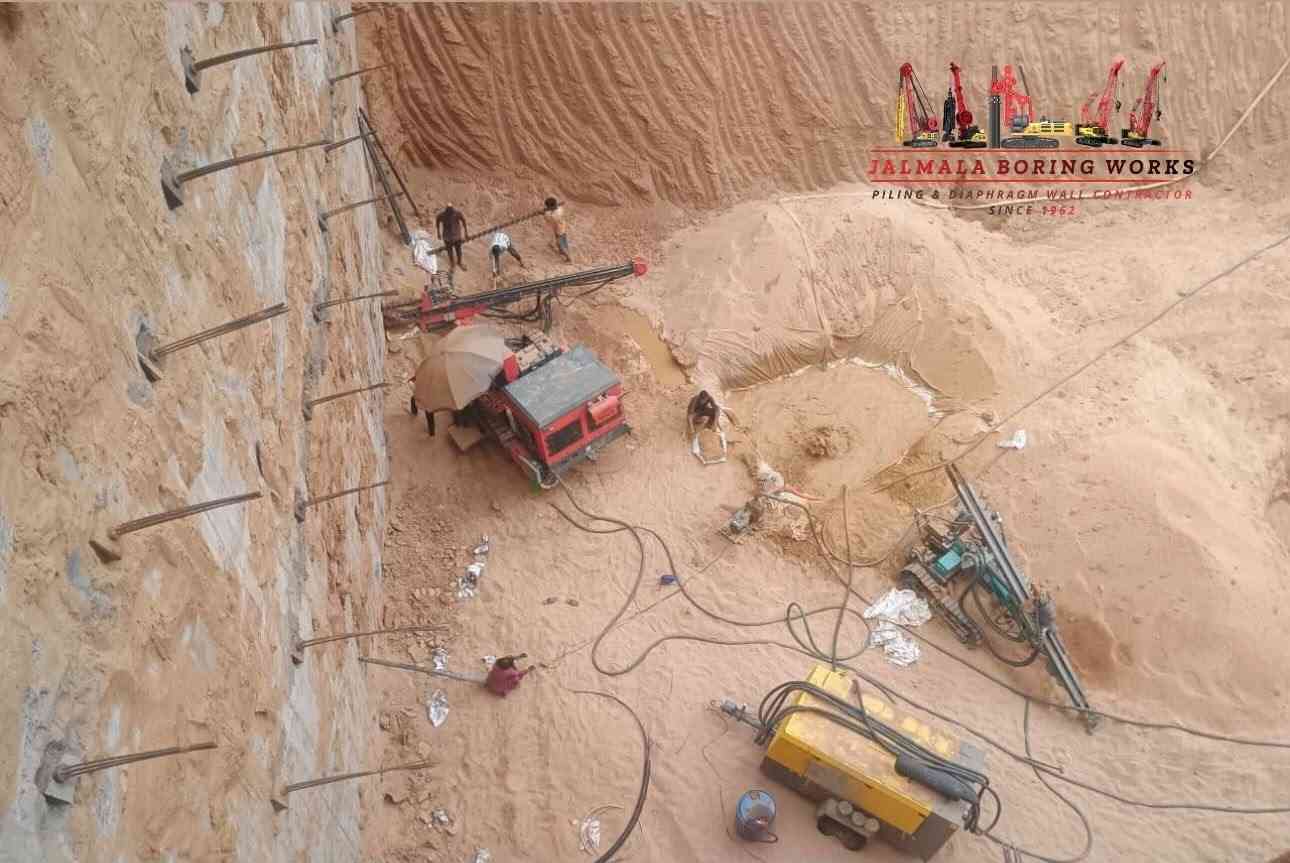
Drilling inclined or specified anchor boreholes using suitable equipment based on the ground profile and approved anchor layout.
Positioning the specified steel strand or bar tendon with the required free length, bonded length and protective arrangements.
Carrying out grouting operations in accordance with the approved grout design, installation procedure and quality requirements.
Installing the specified bearing plate, anchorage head and associated components to connect the anchor system to the wall.
Applying the specified stressing load using suitable hydraulic equipment after the grout achieves the required strength.
Supporting the specified acceptance, suitability or performance testing and maintaining the required installation records.
Construction Methodology
Ground anchor installation is generally coordinated with the excavation sequence. The actual methodology, drilling arrangement and testing requirements must follow the approved project drawings and method statement.
Study the geotechnical report, diaphragm wall drawings, anchor layout, excavation depth, groundwater conditions and specified anchor loads.
Prepare a suitable working area for anchor drilling equipment, material handling and safe movement of personnel and machinery.
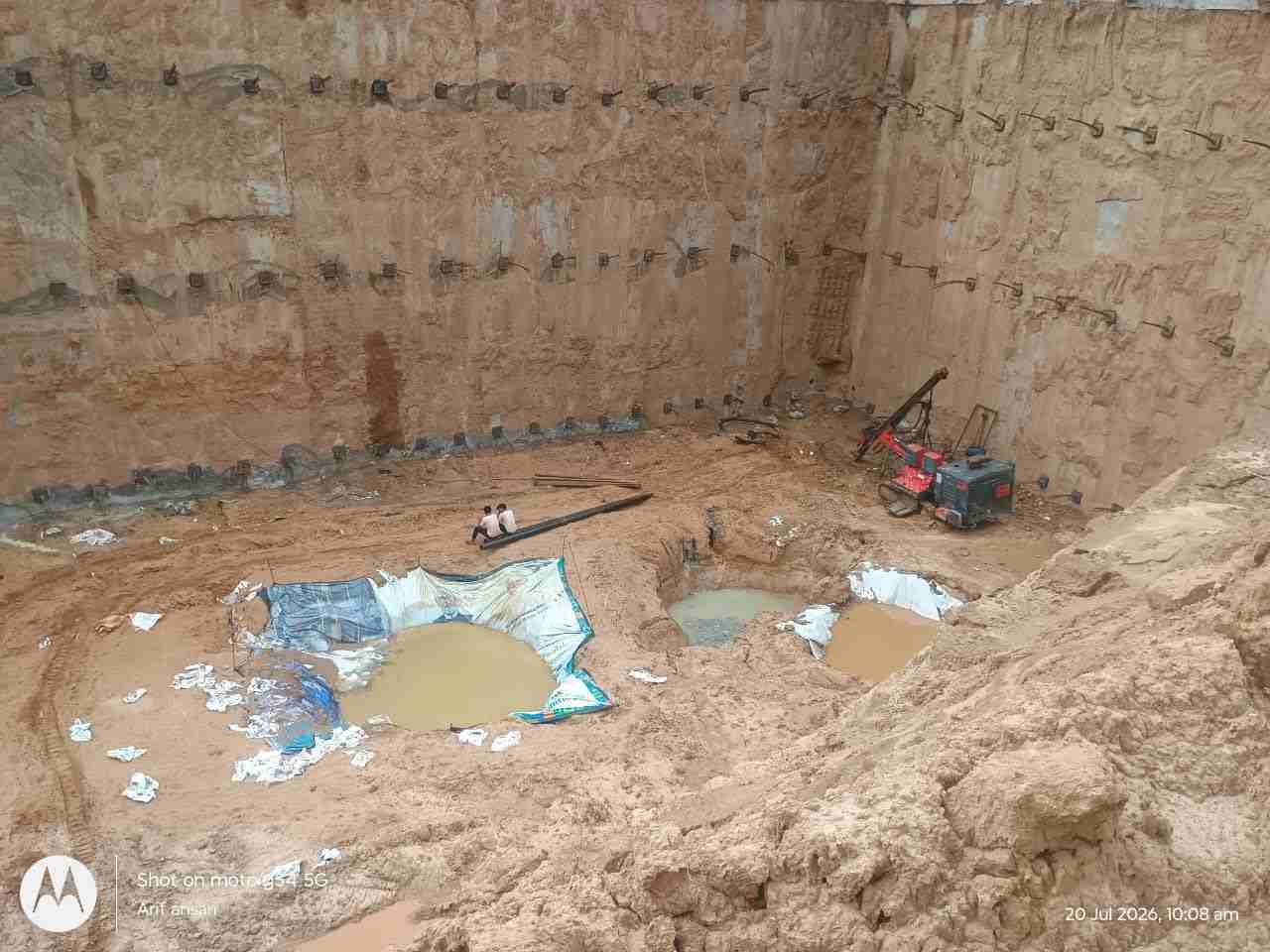
Excavate to the approved anchor installation level while maintaining the required temporary stability and site monitoring arrangements.
Drill the borehole through the designated wall provision or approved connection arrangement and into the specified anchorage ground.
Install the prepared tendon and carry out grouting in accordance with the approved specifications and quality control procedures.
After the grout reaches the specified strength, stress the anchor using suitable hydraulic jacks and lock it off at the approved load.
Complete the required anchor tests, record stressing and elongation data, and maintain installation and quality documentation.
Engineering Requirements
The performance of an anchored diaphragm wall depends on the interaction between the retaining wall, anchor system and surrounding ground. Proper engineering assessment is essential before installation and during staged excavation.
Geotechnical investigation and soil or rock characteristics
Groundwater levels and hydrogeological conditions
Anchor inclination, spacing and installation depth
Free length and bonded length requirements
Design load, stressing load and lock-off requirements
Grout strength and corrosion protection
Underground utilities and property boundary restrictions
Anchor testing and wall movement monitoring
Jalmala Boring Works
Since 1962, Jalmala Boring Works has developed practical experience in deep foundation construction. As a third-generation family-owned company, we combine established industry knowledge with modern hydraulic equipment and project-focused execution.
More than six decades of hands-on foundation construction experience.
A family-owned company continuing its foundation engineering legacy.
Modern hydraulic piling and diaphragm wall equipment for demanding construction projects.
Supporting infrastructure, commercial, industrial and residential project requirements across India.
Ground Anchoring Services Across India
Selecting a suitable diaphragm wall anchor contractor is an important part of planning deep excavation and underground construction projects. Diaphragm walls are reinforced concrete retaining structures commonly used where excavation stability, groundwater conditions and restricted construction space require a carefully designed retaining arrangement. Ground anchors can provide additional lateral resistance when included in the approved structural and geotechnical design.
Jalmala Boring Works is an established foundation construction company based in Ahmedabad, Gujarat. Founded in 1962, the company is a family-owned, third-generation business specializing in pile foundations, diaphragm walls and ground anchors. Its experience supports construction requirements for infrastructure, commercial, industrial and residential developments. The company also operates modern SANY hydraulic piling and diaphragm wall rigs.
A typical diaphragm wall anchoring system may use prestressed ground anchors installed at specified levels along the retaining wall. Each anchor generally includes a steel tendon, an unbonded free length, a bonded anchorage length, grout and a wall-side anchorage assembly. The design must account for the wall geometry, retained ground conditions, groundwater, external surcharge, nearby structures and the required excavation sequence.
The work of a diaphragm wall anchor contractor may include drilling anchor boreholes, preparing and installing tendons, grouting, stressing, lock-off and specified testing. The actual work package depends on the contract and approved technical documents. Anchor loads, inclination, spacing, bond length and corrosion protection must be established by qualified project engineers rather than selected using a standard arrangement for every site.
Diaphragm wall anchoring is relevant to deep basement construction, underground parking, metro stations, commercial buildings, industrial facilities and infrastructure developments. In congested urban locations, ground anchors may help support retaining walls where additional lateral resistance is required. However, the feasibility of anchors depends on underground utilities, property boundaries, access rights, neighbouring foundations and the available anchorage ground. Where an anchor cannot extend into suitable ground, an alternative support arrangement may be necessary.
Quality control is essential throughout ground anchor installation. Drilling records, tendon details, grout information, stressing loads, elongation measurements and test results should be documented according to the project quality plan. Excavation stages and wall movements should also be monitored where specified. These checks help the project team verify that the installed anchoring system meets its approved performance requirements.
Jalmala Boring Works brings more than 60 years of foundation construction experience to complex underground and deep foundation requirements. With its third-generation business background and modern hydraulic equipment, the company supports project teams seeking an experienced diaphragm wall anchor contractor in India. Project requirements can be discussed with the team based on drawings, site conditions and the proposed construction schedule.
For a diaphragm wall anchoring project, useful initial information includes the site location, soil investigation report, diaphragm wall drawings, excavation depth, anchor layout, design loads and groundwater details. Reviewing these documents helps establish the proposed scope, equipment requirements and construction planning considerations.
Whether the project involves a commercial basement, underground parking facility, industrial development or major infrastructure construction, diaphragm wall anchoring requires coordination between engineering, drilling, grouting, stressing and monitoring activities. Contact Jalmala Boring Works to discuss yourdiaphragm wall anchoring requirements and project-specific ground engineering needs.
Contact Jalmala Boring Works for diaphragm wall, ground anchor and deep foundation project enquiries across India.
Explore Anchor Contracting ServicesFrequently Asked Questions
A diaphragm wall anchor contractor undertakes ground anchor installation activities associated with retaining wall and deep excavation support systems. Depending on the project scope, work can include anchor drilling, tendon installation, grouting, stressing, lock-off and specified testing.
Ground anchors can provide additional lateral resistance to diaphragm walls by transferring loads into suitable soil or rock beyond the excavation. Their use depends on the geotechnical conditions, structural design, site restrictions and approved excavation support methodology.
They may be used for deep basements, underground parking, metro stations, commercial buildings, industrial developments, underground infrastructure and other deep excavation projects requiring engineered retaining support.
Prestressed ground anchors are tensioned anchoring systems that transfer a specified load from a retaining structure into a suitable ground anchorage zone. They generally include a tendon, unbonded free length, bonded length, grout and an anchorage assembly.
A typical sequence includes staged excavation, borehole drilling, tendon installation, grouting, curing to the specified strength, stressing, lock-off and required anchor testing. The actual sequence must follow the approved project method statement.
Jalmala Boring Works is based in Ahmedabad, Gujarat, and undertakes foundation and ground engineering project work across India, subject to the project's technical scope, site conditions and execution requirements.
Useful documents include the geotechnical investigation report, diaphragm wall drawings, excavation depth, anchor layout, design loads, groundwater information, site location and proposed project schedule.
Jalmala Boring Works | Established 1962
Discuss your foundation, ground anchoring and deep excavation project requirements with our team.