
High Structural Loads
Tall buildings transfer significant vertical loads through columns and core structures. Deep foundations can transfer these loads to suitable bearing strata when required by design.
Jalmala Boring Works provides deep foundation and bored cast-in-situ piling services for high-rise residential towers, commercial buildings and major construction developments. We focus on suitable piling methods, experienced site execution and project-specific foundation requirements.
Deep foundation solutions designed around project-specific soil conditions, structural loads and construction requirements.
High-rise buildings require carefully planned foundation systems capable of transferring substantial structural loads into suitable ground strata. Soil conditions, groundwater levels, settlement considerations and building design all influence the selection of a suitable foundation solution.
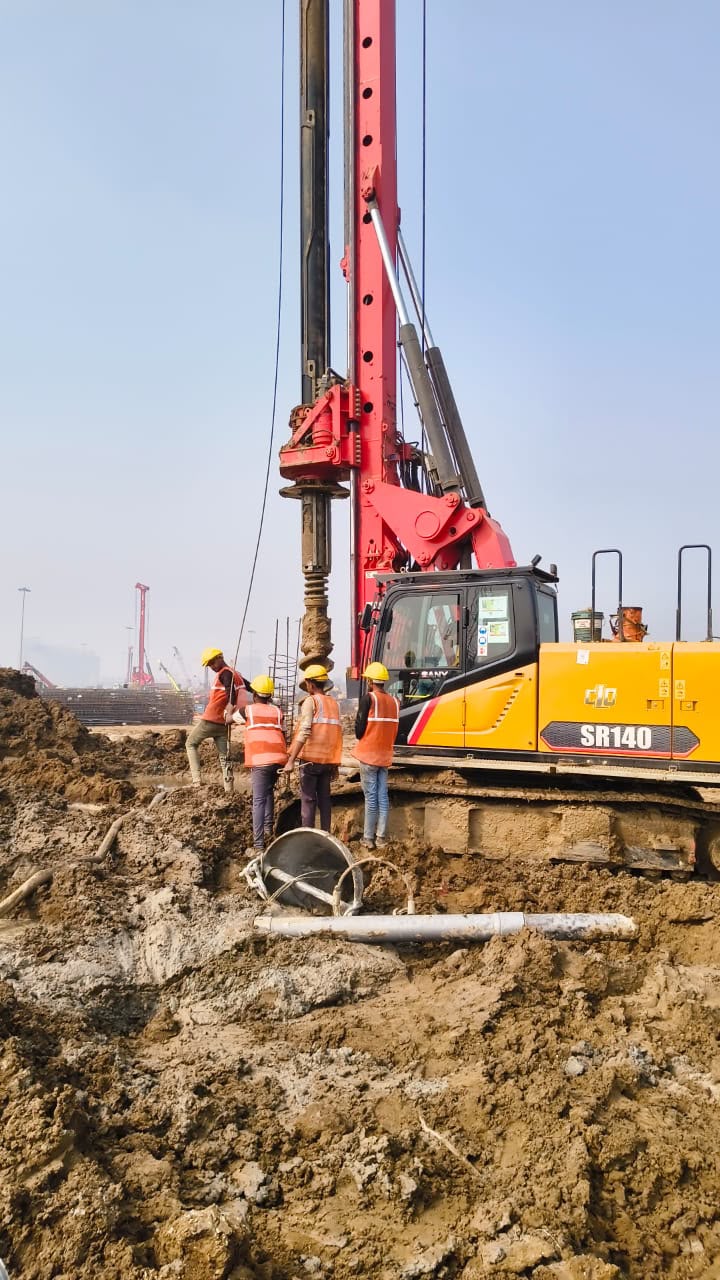
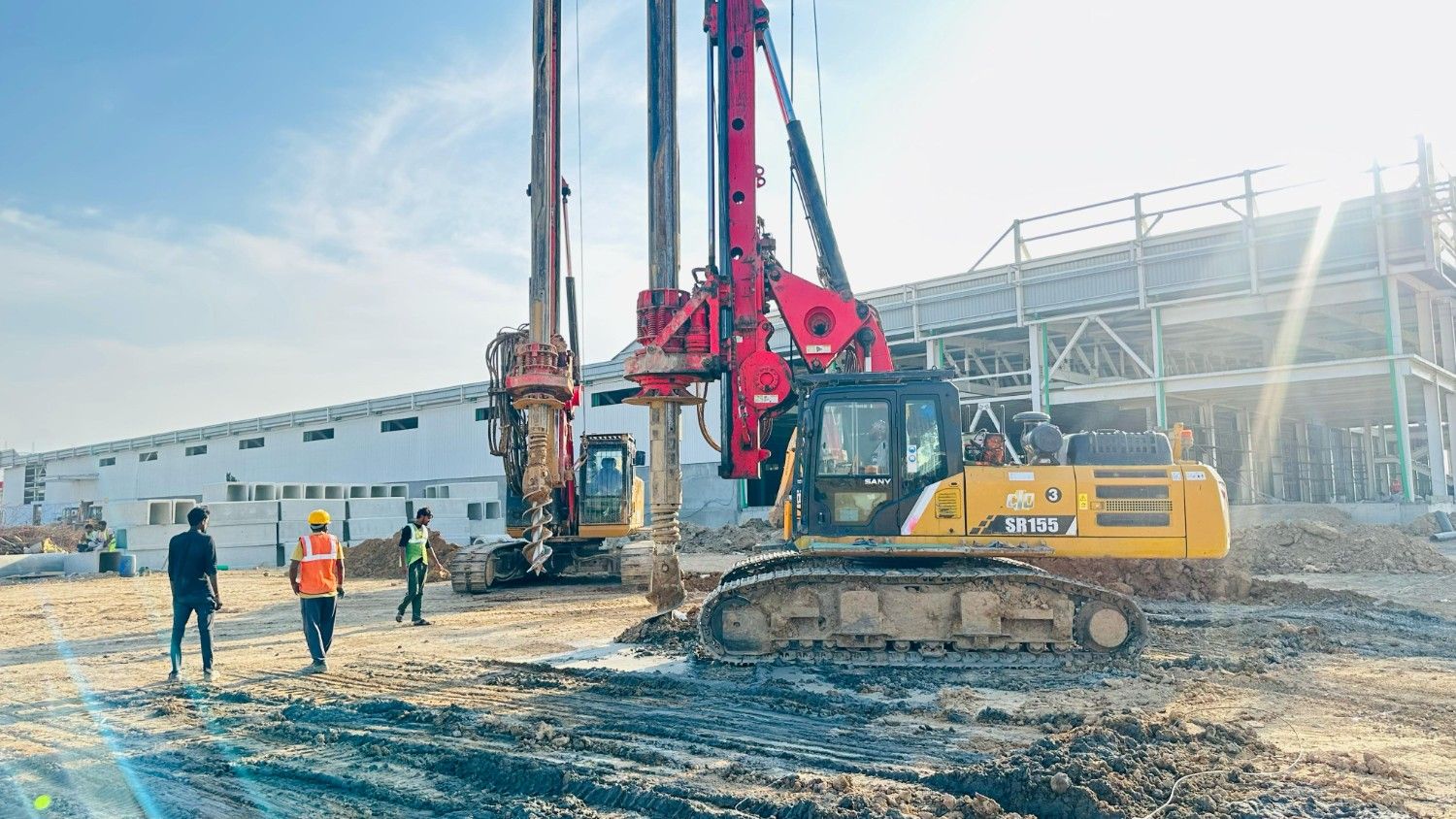
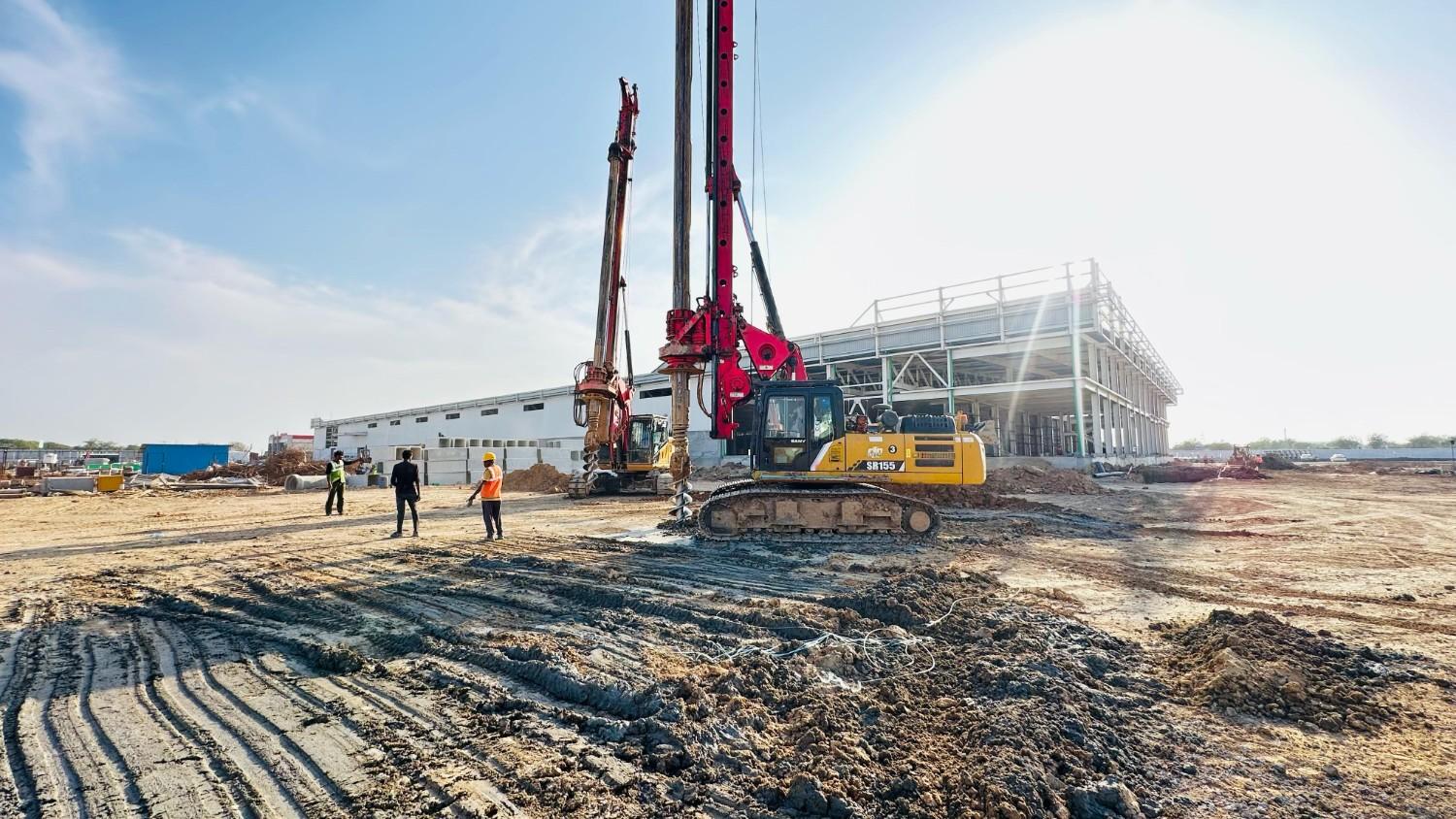
As a high rise piling contractor in India, Jalmala Boring Works undertakes bored cast-in-situ pile foundation work for residential towers, commercial buildings and large construction developments. Our piling operations use hydraulic rotary rigs and other suitable drilling methods according to site and project requirements.
Our work focuses on borehole preparation, reinforcement cage installation, controlled concreting and quality checks in accordance with approved project specifications.
Learn more about our high-rise piling contractor services in India and discuss your project's foundation requirements with our team.
A third-generation foundation engineering company providing piling, diaphragm wall and ground anchor solutions since 1962.
The foundation system of a tall building must be selected after evaluating structural loading, soil characteristics and site-specific engineering conditions.
Tall buildings transfer significant vertical loads through columns and core structures. Deep foundations can transfer these loads to suitable bearing strata when required by design.
Weak or compressible upper soil layers may require piles extending to deeper and more suitable ground conditions.
Foundation design considers total and differential settlement to help meet the structural performance requirements of a building.
High groundwater levels can influence drilling, borehole stability, casing requirements and concrete placement procedures.
Restricted access, neighbouring structures and limited working space can influence the selection and planning of piling equipment.
Proper construction control, reinforcement placement and concrete quality are important considerations for durable foundation systems.
We undertake piling operations and related foundation activities based on approved drawings, ground investigation reports and project specifications.
Bored cast-in-situ piles are constructed by drilling a borehole to the required depth, installing reinforcement and placing concrete. The method can be selected for high-rise projects according to structural and geotechnical requirements.
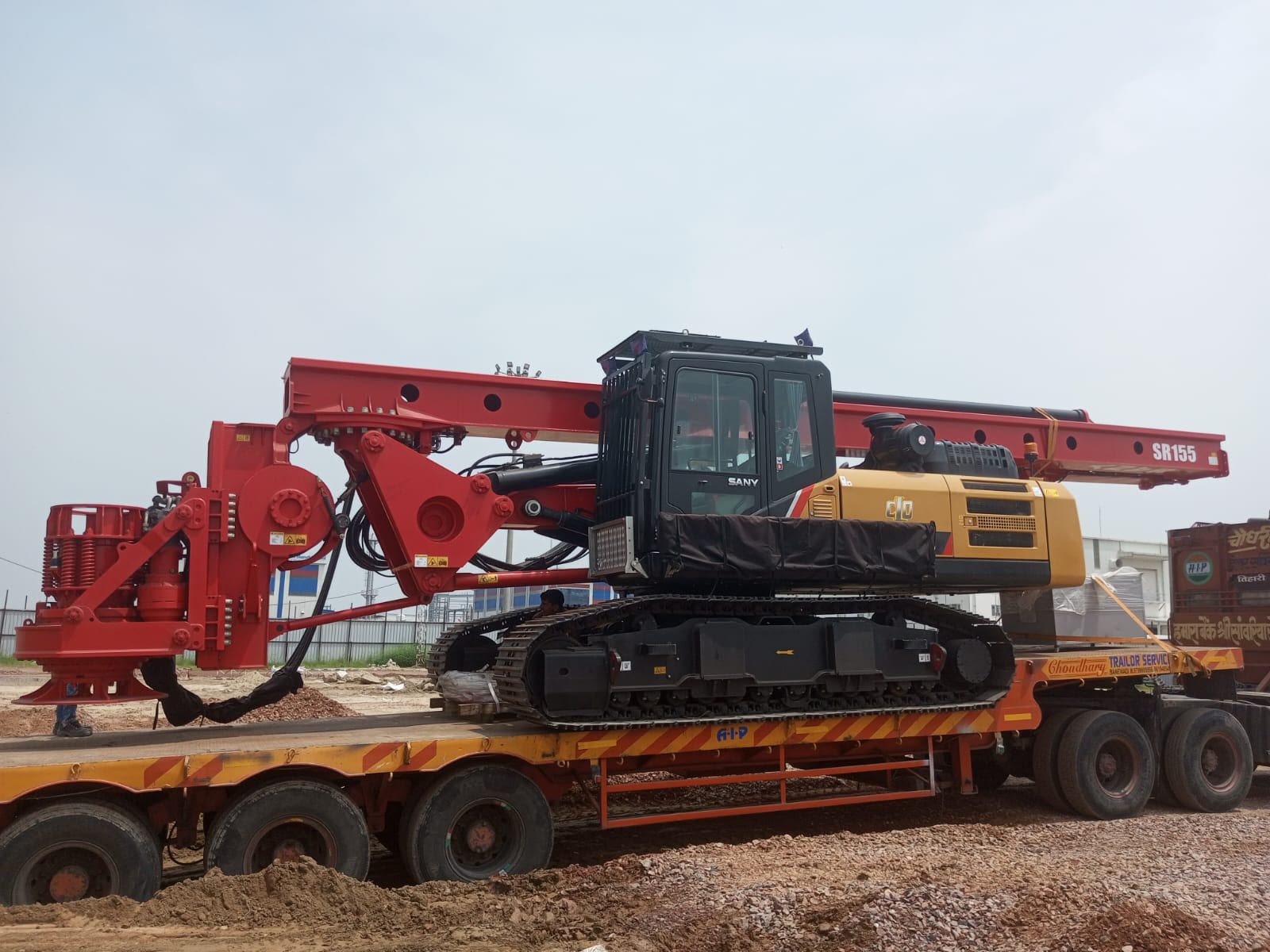
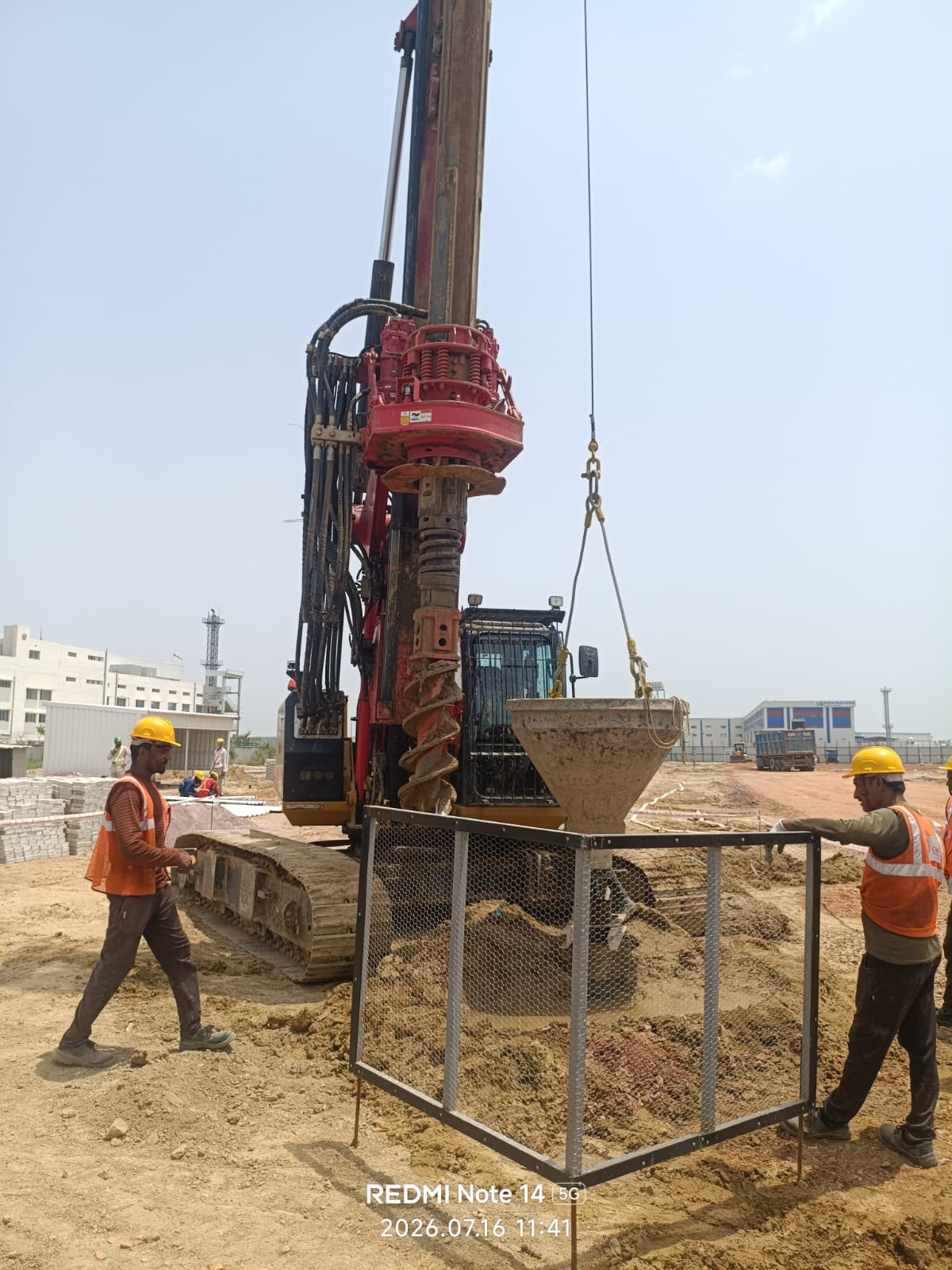
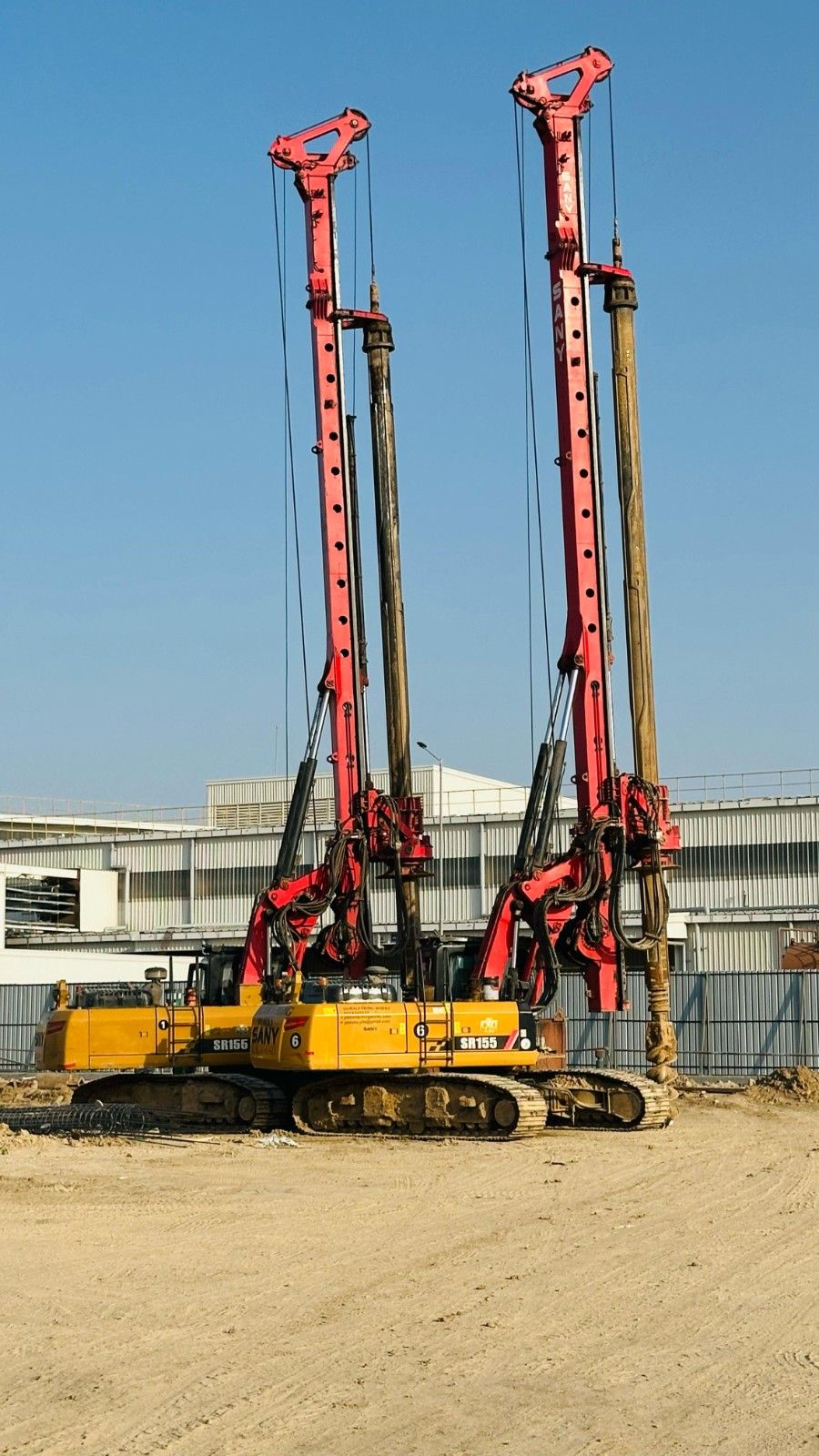
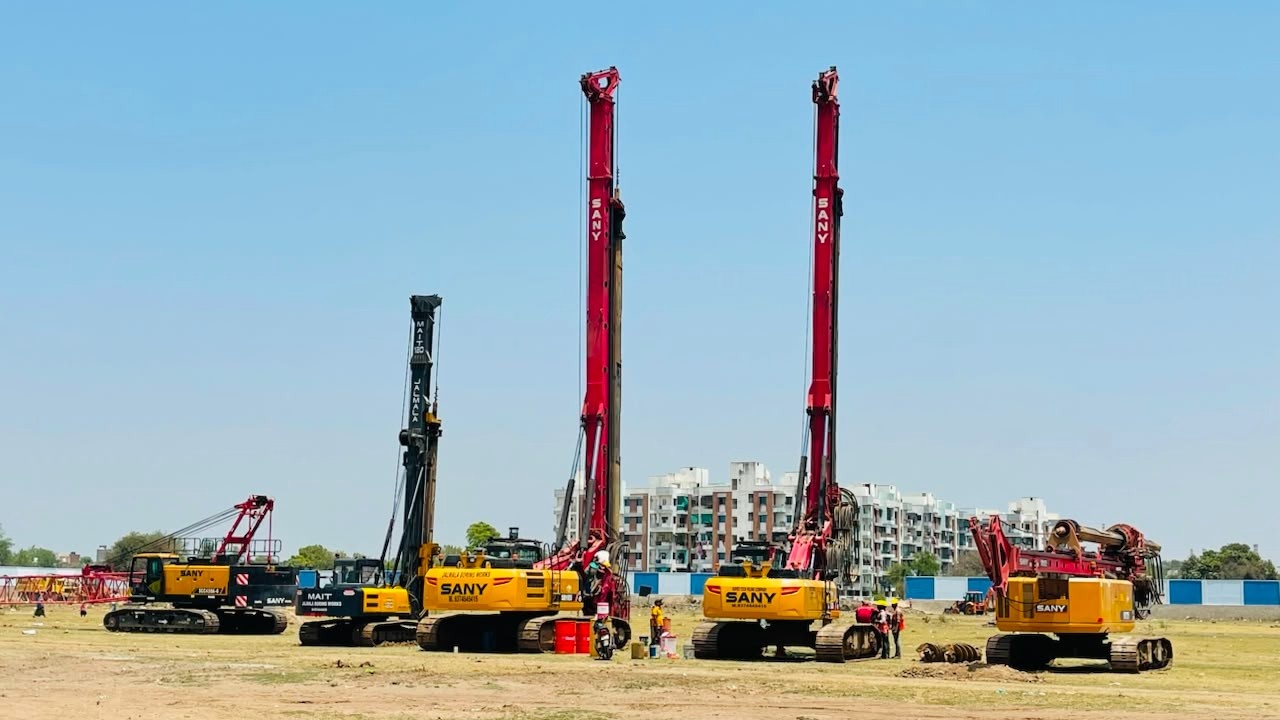
Hydraulic rotary rigs support controlled drilling for pile installation. Equipment selection depends on pile diameter, required depth, soil profile and working conditions.
DMC percussion methods can be used for suitable ground conditions and drilling requirements, including certain hard strata and challenging subsurface profiles.
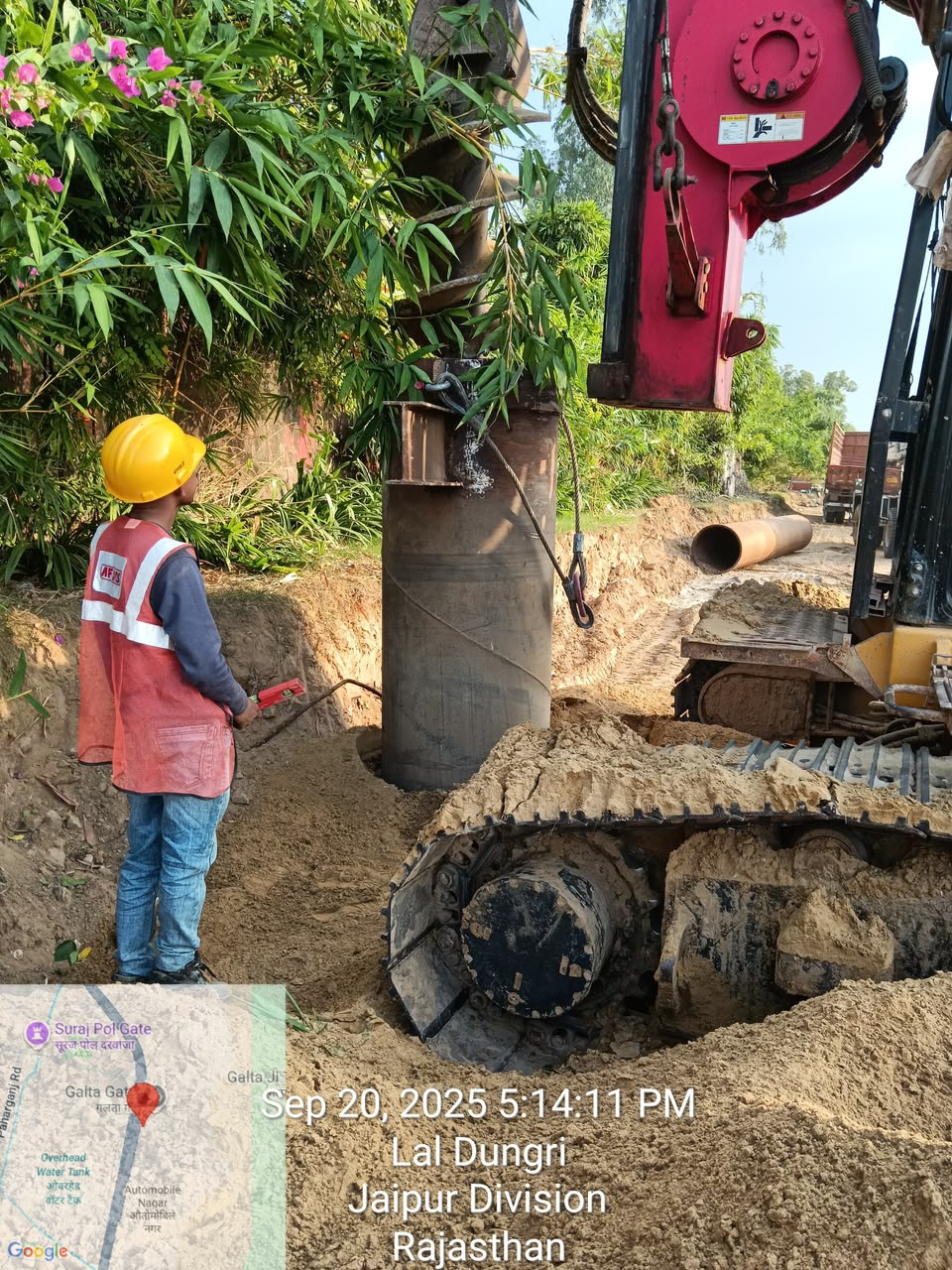
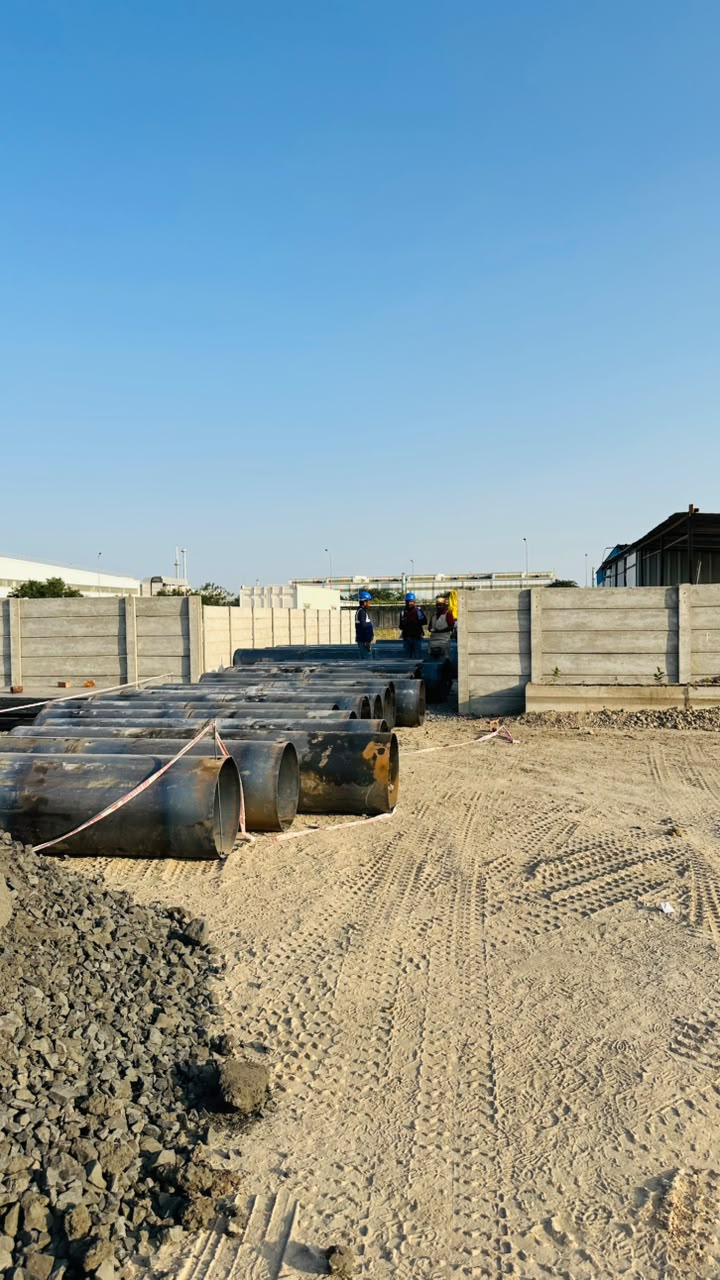
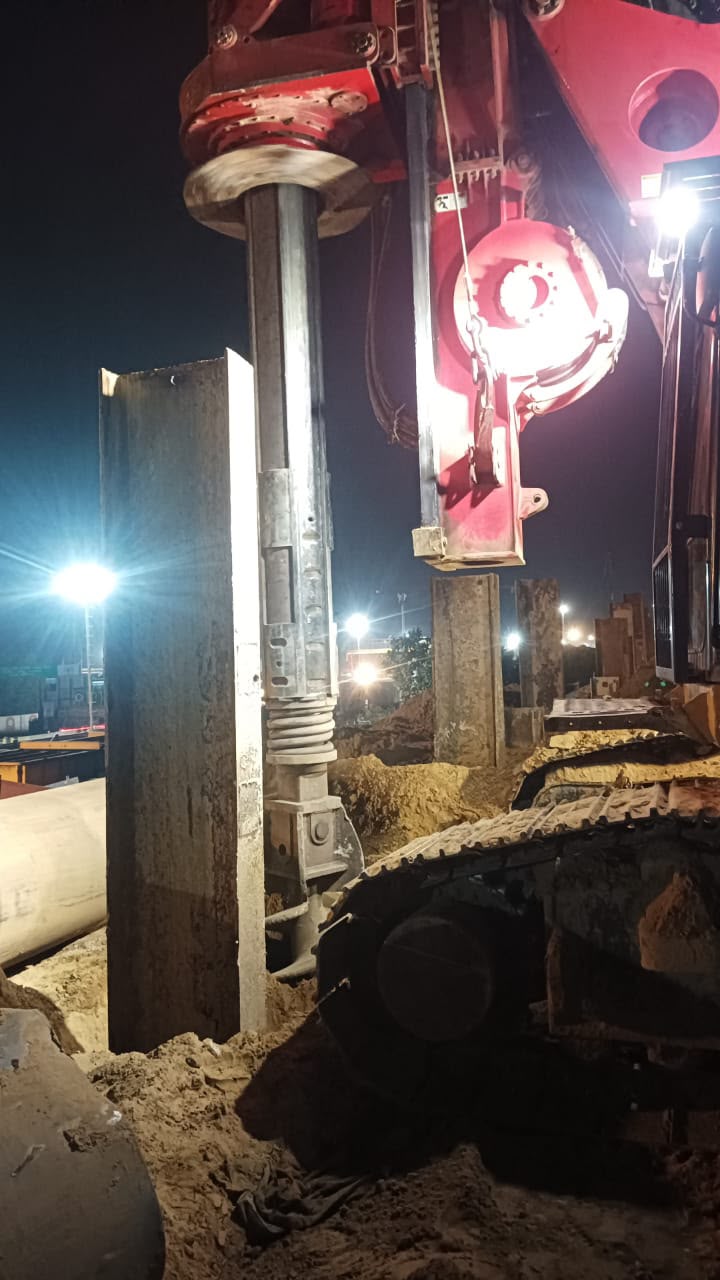
Temporary or permanent steel casing can be used where required to support borehole stability and manage challenging soil or groundwater conditions.
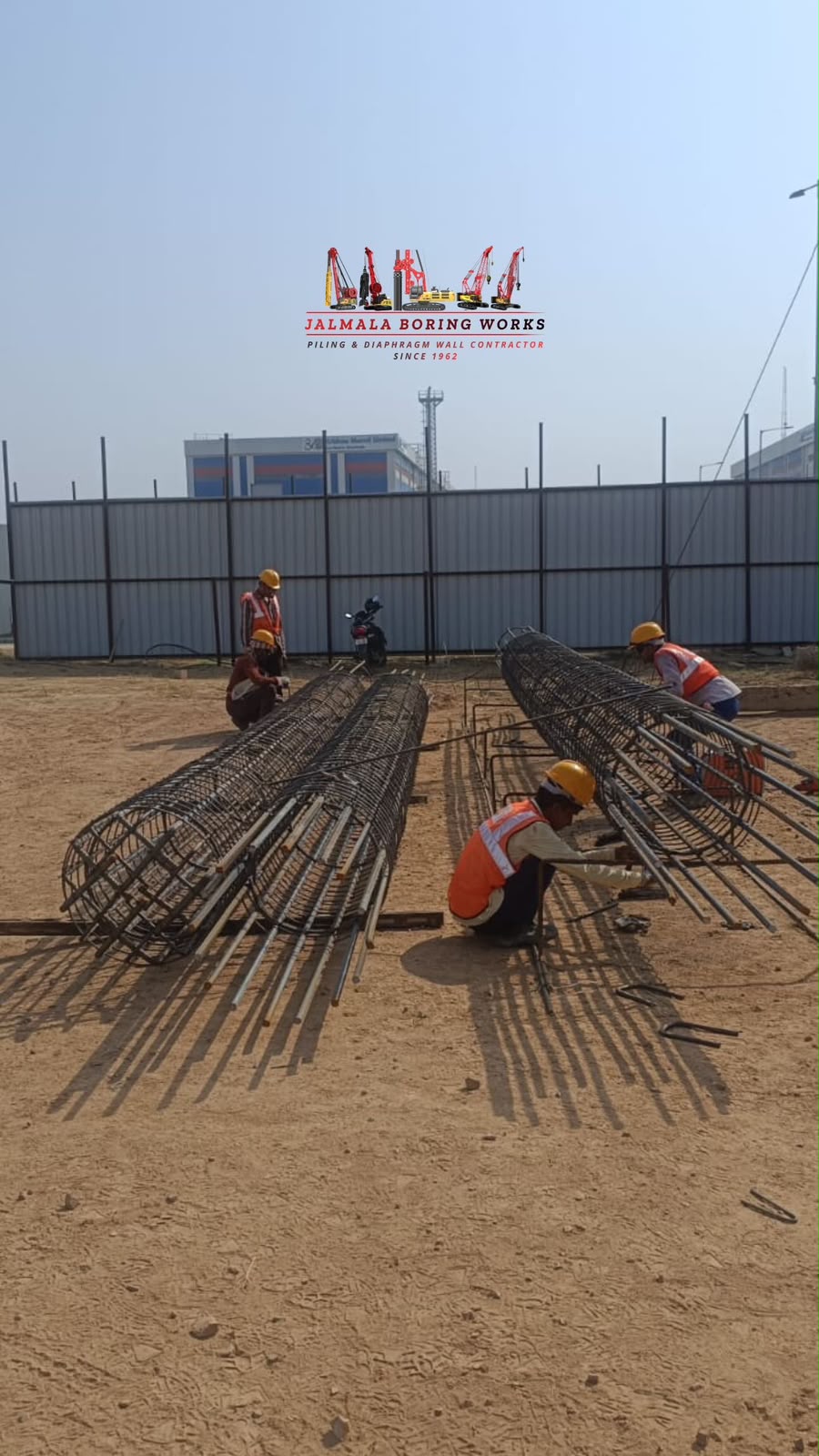
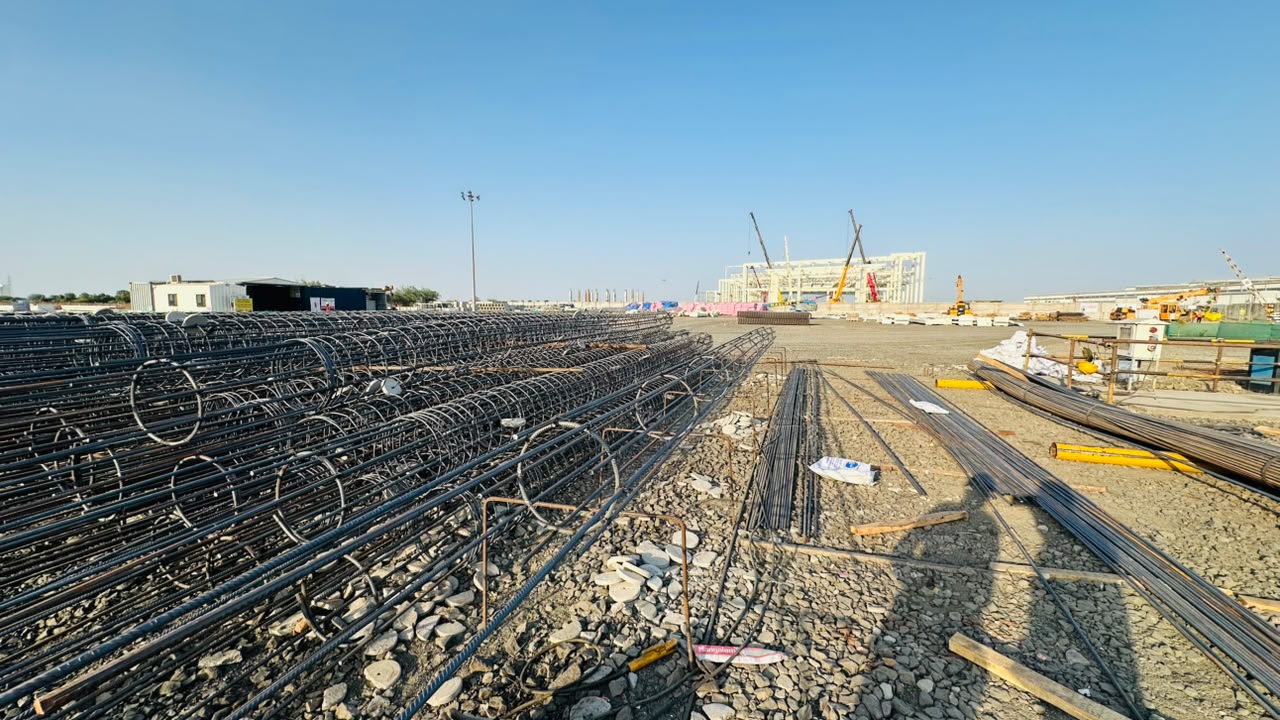
Reinforcement cages are prepared and lowered into the borehole in accordance with approved reinforcement details and lifting procedures.
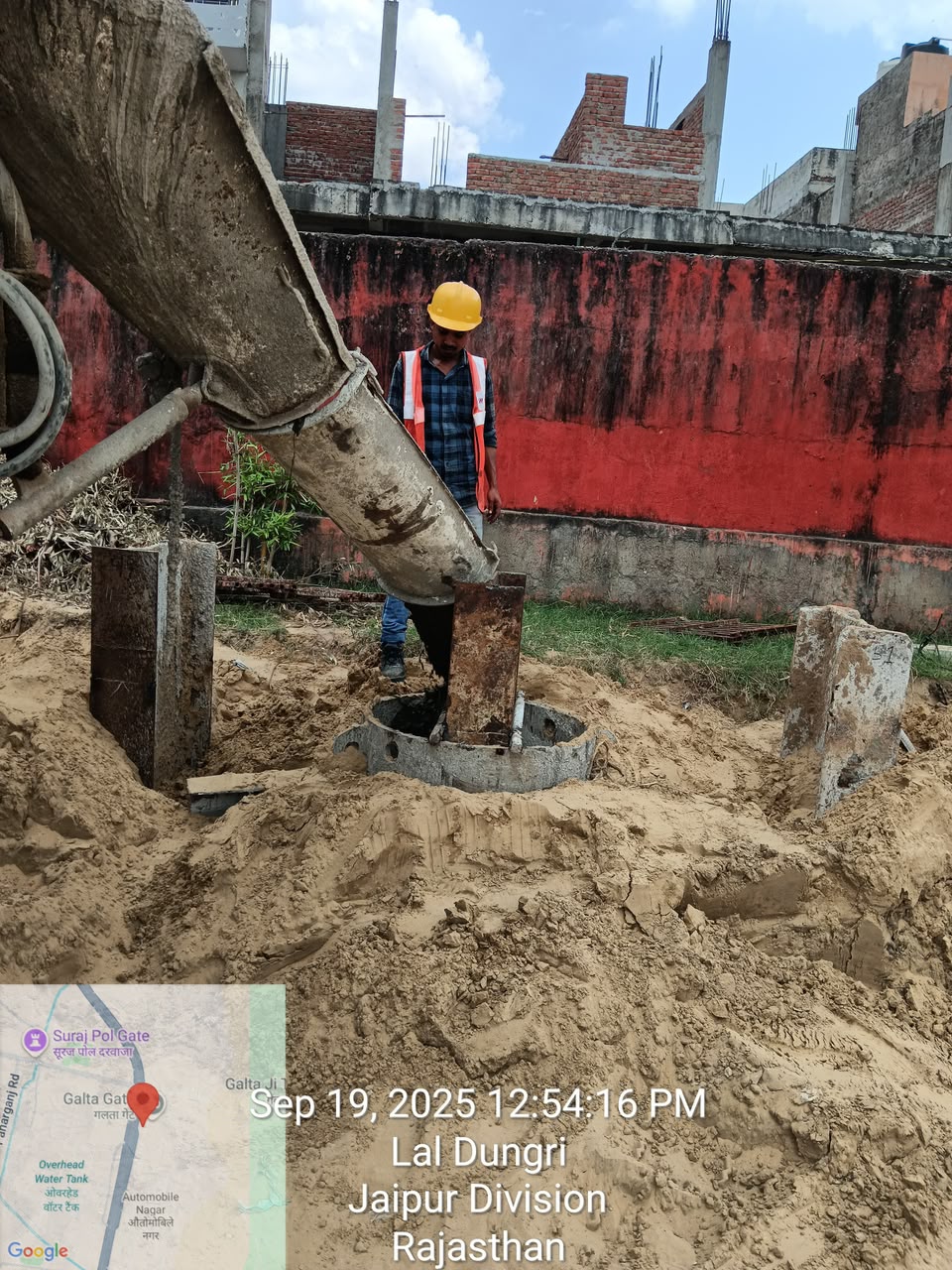
Tremie concreting is used where underwater or slurry-supported concrete placement is required, helping maintain controlled concrete placement within the borehole.
Our published pile foundation capabilities provide a starting point for evaluating project requirements. Final specifications are determined by the approved design and actual site conditions.
Pile diameter range
Published pile depth capability
Rotary piling rigs
Pile load testing options
These are published company capabilities, not guaranteed dimensions for every project. Actual pile diameter, depth, reinforcement and load capacity depend on geotechnical investigation and structural design.
A systematic execution approach helps coordinate drilling, reinforcement, concreting and inspection activities at the construction site.
Review the project location, foundation drawings, pile schedule, geotechnical investigation and execution requirements.
Evaluate access, working platform, rig selection, support equipment and the proposed piling sequence.
Establish pile locations and verify setting-out information against approved construction drawings.
Drill to the specified depth and diameter using the selected method, with appropriate borehole support where required.
Lower the reinforcement cage and carry out concrete placement using the approved concreting procedure.
Maintain construction records and coordinate specified inspection and pile testing activities.
Deep foundation requirements vary by building configuration, structural loads, soil profile and surrounding site conditions.
Foundation execution requires suitable equipment, experienced site teams and coordination with construction stakeholders. Jalmala Boring Works brings decades of deep foundation experience to residential, commercial and infrastructure projects.
Third-generation foundation engineering business since 1962
Experience with residential and commercial high-rise foundations
Hydraulic rotary rig and DMC drilling capabilities
Bored cast-in-situ piling solutions
Reinforcement cage and tremie concreting operations
Project execution across multiple Indian states
Share your project details with our team to discuss piling requirements, site conditions, equipment planning and execution possibilities.
Send Project EnquiryAnswers to common questions about high-rise building piling, bored cast-in-situ piles and deep foundation execution.
High-rise building piling is a deep foundation technique in which piles are installed below ground to transfer structural loads to suitable soil or rock strata. It is used when shallow foundations are not suitable for the building's loading and ground conditions.
Pile foundations are used for high-rise buildings when the structural loads, soil profile, groundwater conditions or settlement requirements call for deep foundation support. The foundation system is selected according to geotechnical investigation and structural design.
Bored cast-in-situ piling is one commonly used method for high-rise projects. Hydraulic rotary rigs and DMC percussion methods can be selected according to soil conditions, rock strata, groundwater levels, pile dimensions and site restrictions.
Jalmala Boring Works publishes bored cast-in-situ pile capabilities ranging from 300 mm to 1800 mm in diameter. The suitable pile diameter for a particular high-rise project depends on the structural design and geotechnical conditions.
Jalmala Boring Works publishes pile installation capabilities of up to 50 metres. The achievable depth for an individual project depends on the ground profile, equipment, design requirements and site conditions.
Yes. Appropriate drilling support, casing and controlled concreting methods can be selected for high groundwater conditions. The execution method must be planned according to the site's geotechnical investigation and engineering requirements.
Bored cast-in-situ piling involves drilling a borehole to the required depth, preparing and lowering the reinforcement cage, and placing concrete through a suitable concreting arrangement, such as the tremie method where required.
Jalmala Boring Works is based in Ahmedabad, Gujarat, and undertakes deep foundation and piling work across India. Project feasibility, equipment deployment and execution schedules are assessed according to project location and requirements.
Pile load testing may be specified to assess pile performance and verify design requirements. The type, number and acceptance criteria of tests should follow the project's approved specifications and applicable engineering standards.
You can contact Jalmala Boring Works by phone or email with your project location, geotechnical report, pile layout, preliminary pile dimensions and estimated quantity to discuss the piling requirements and request a project quotation.
Contact our team for high-rise piling enquiries, project discussions and deep foundation execution requirements anywhere in India.
Bored Cast-in-Situ Piling Specialists
Jalmala Boring Works provides Pile Foundation and Deep Foundation Solutions using Bored Cast-in-Situ Piles for residential, commercial, industrial, and infrastructure projects. With advanced Hydraulic Rotary Rigs, we construct piles from 300 mm to 1800 mm diameter and depths of up to 50 metres, delivering reliable load-bearing capacity across soft soil, hard rock, and high groundwater conditions.
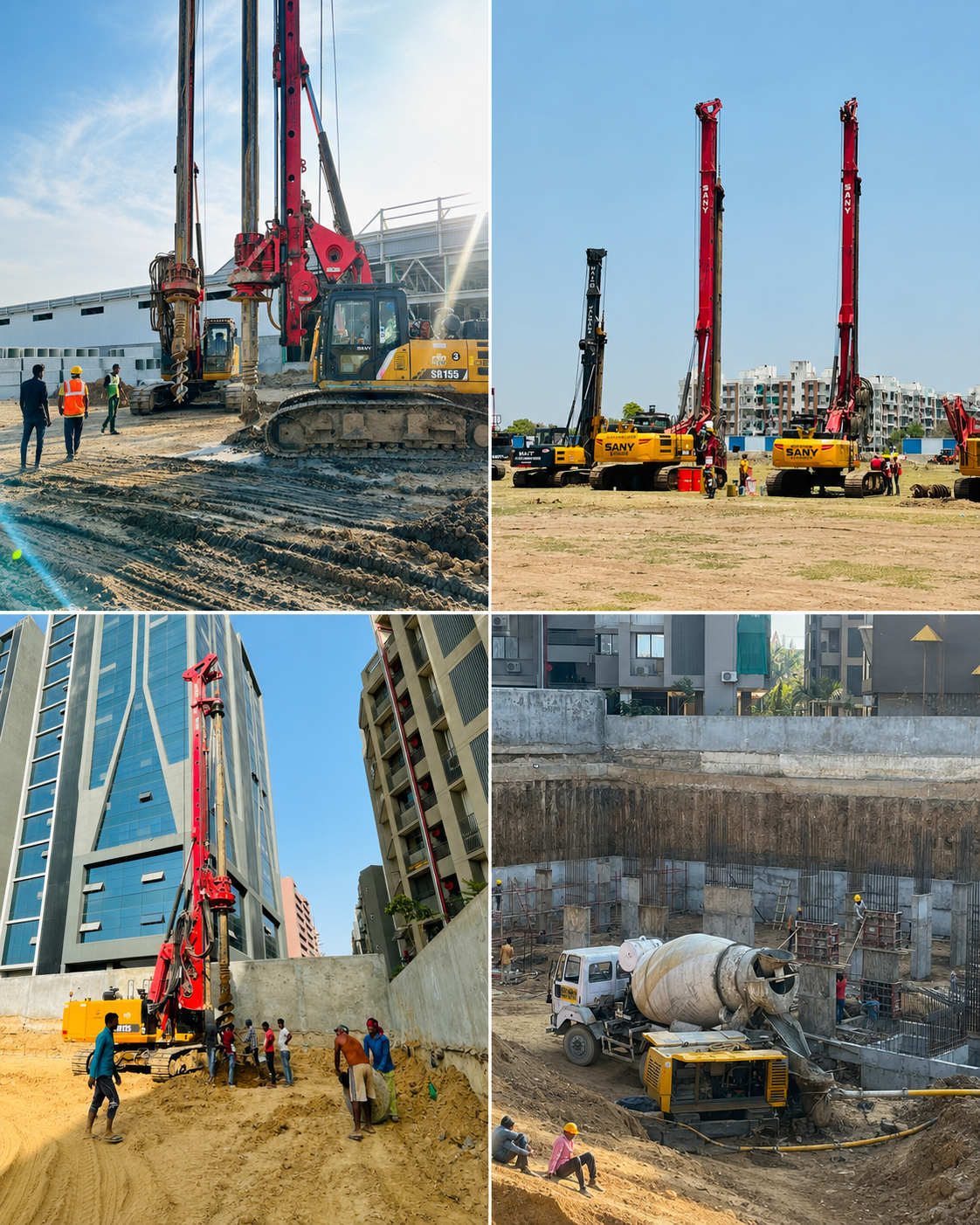
We deploy six proven techniques — selected based on soil profile, site constraints, and project requirements.
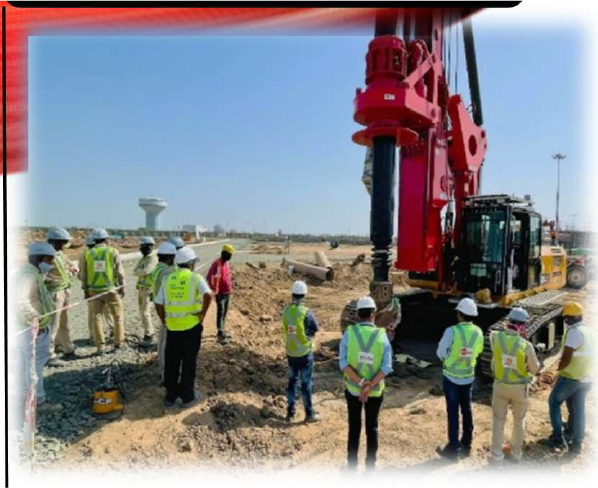
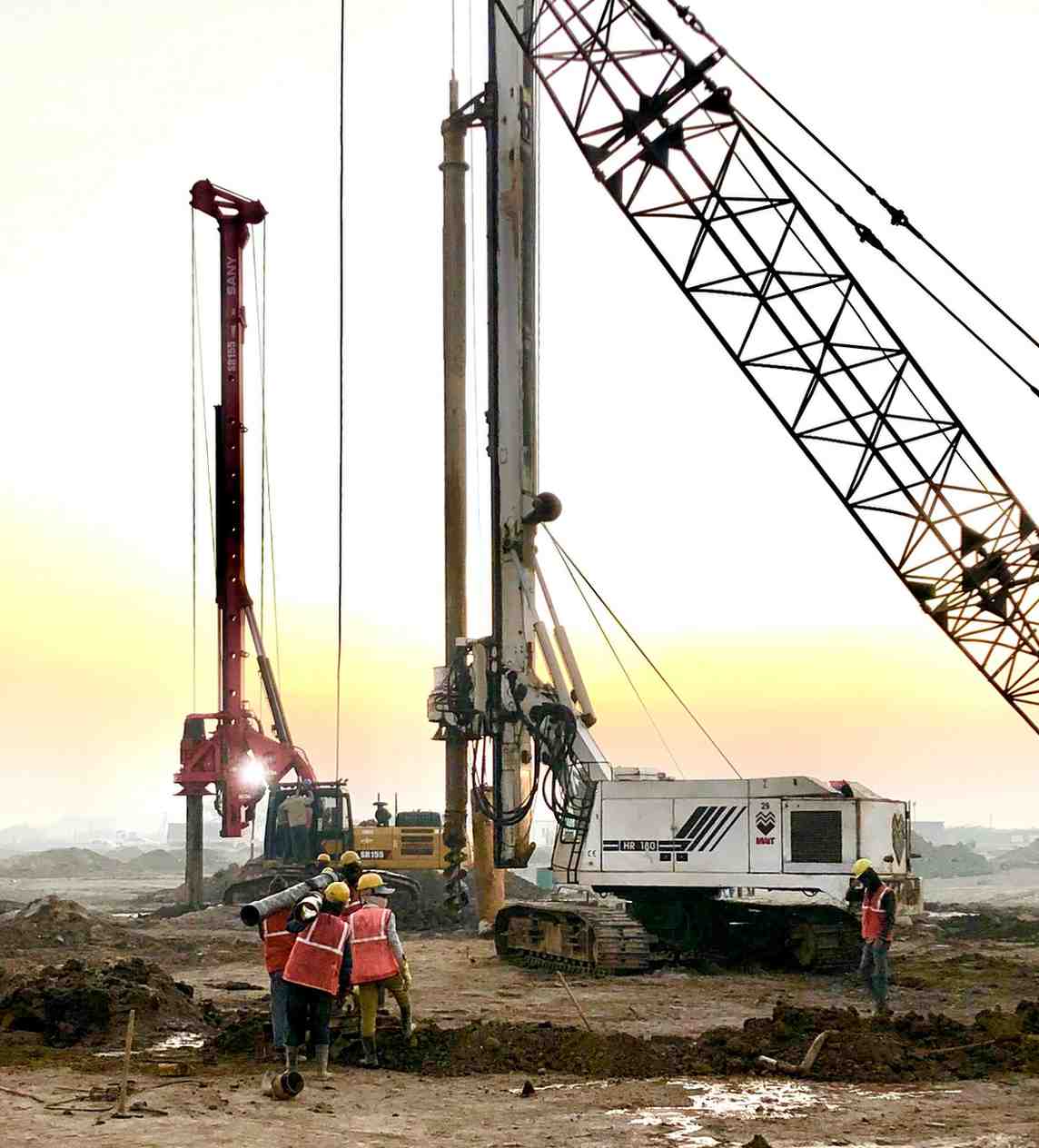
We specialize in bored piling with diameters ranging from 200 mm to 2000 mm and depths up to 50 meters. Using advanced hydraulic rotary rigs, we execute piling operations efficiently across a wide range of soil conditions. Our fleet includes high-performance rotary drilling rigs capable of working in restricted headroom areas while delivering precision, stability, and high productivity.
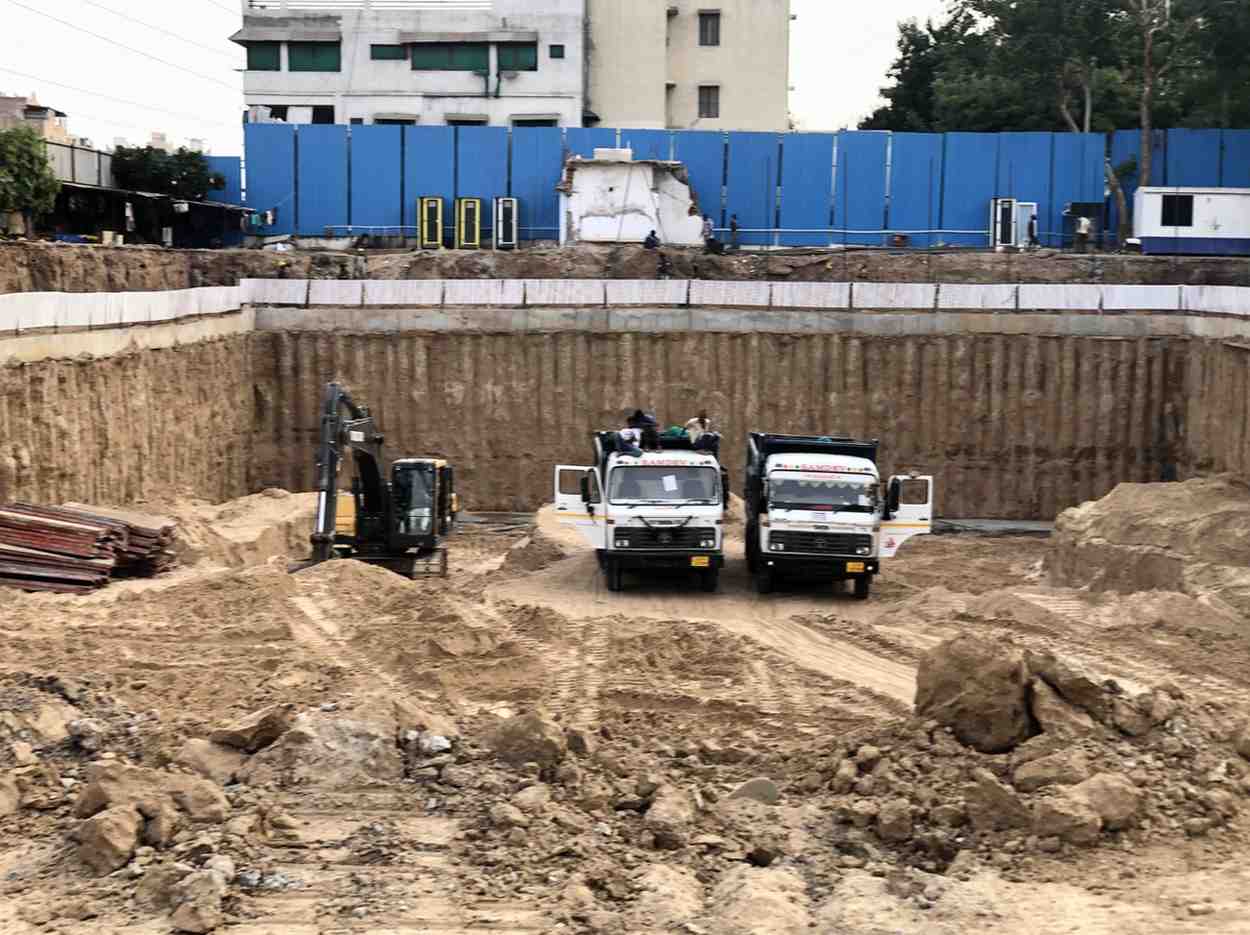
Secant pile walls are constructed by intersecting reinforced concrete piles to form a continuous retaining structure. Primary piles are installed first, followed by reinforced secondary piles after sufficient curing. This technique provides excellent groundwater control and soil retention, making it ideal for deep excavations, basements, and foundation support in challenging ground conditions.
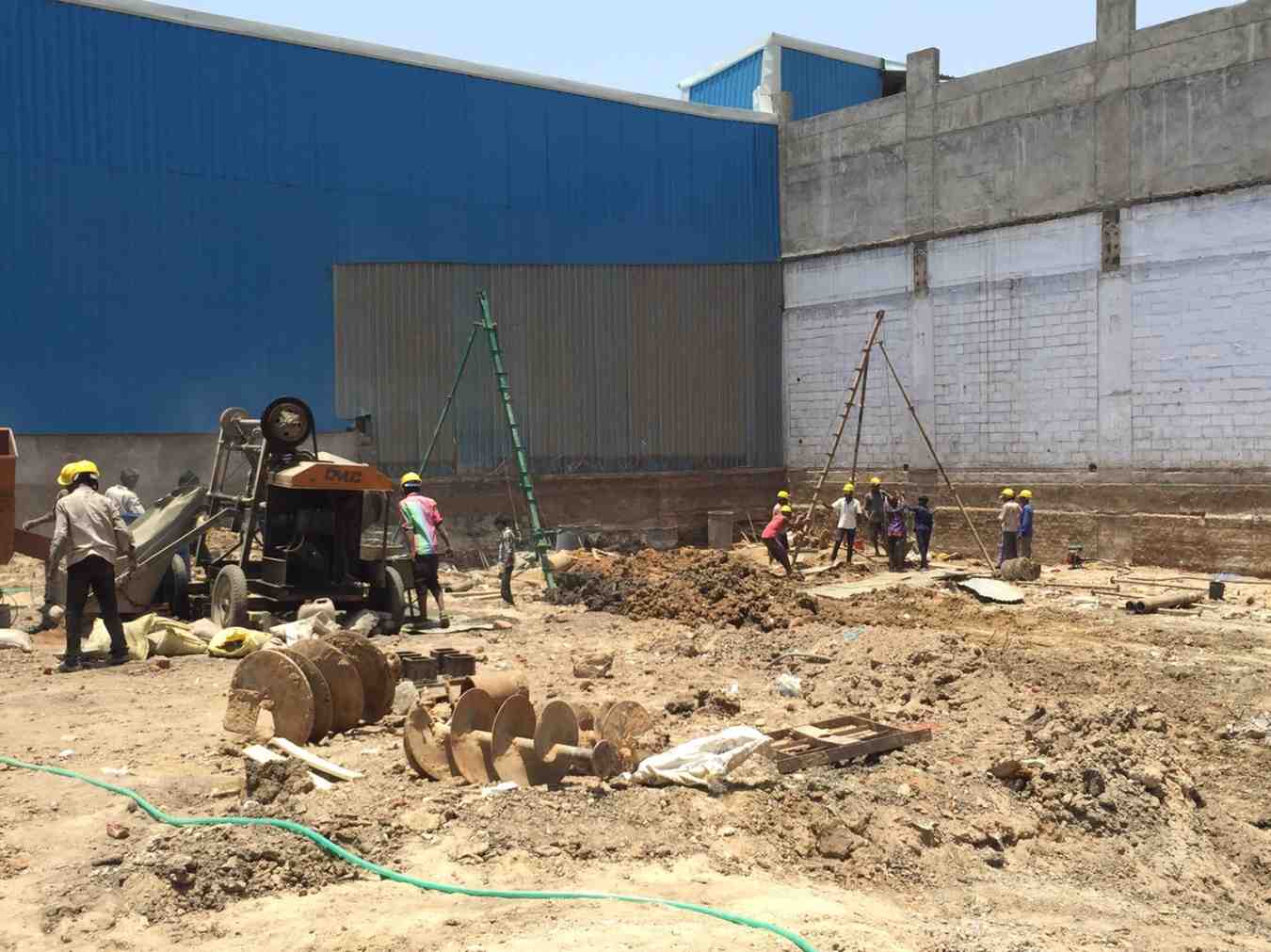
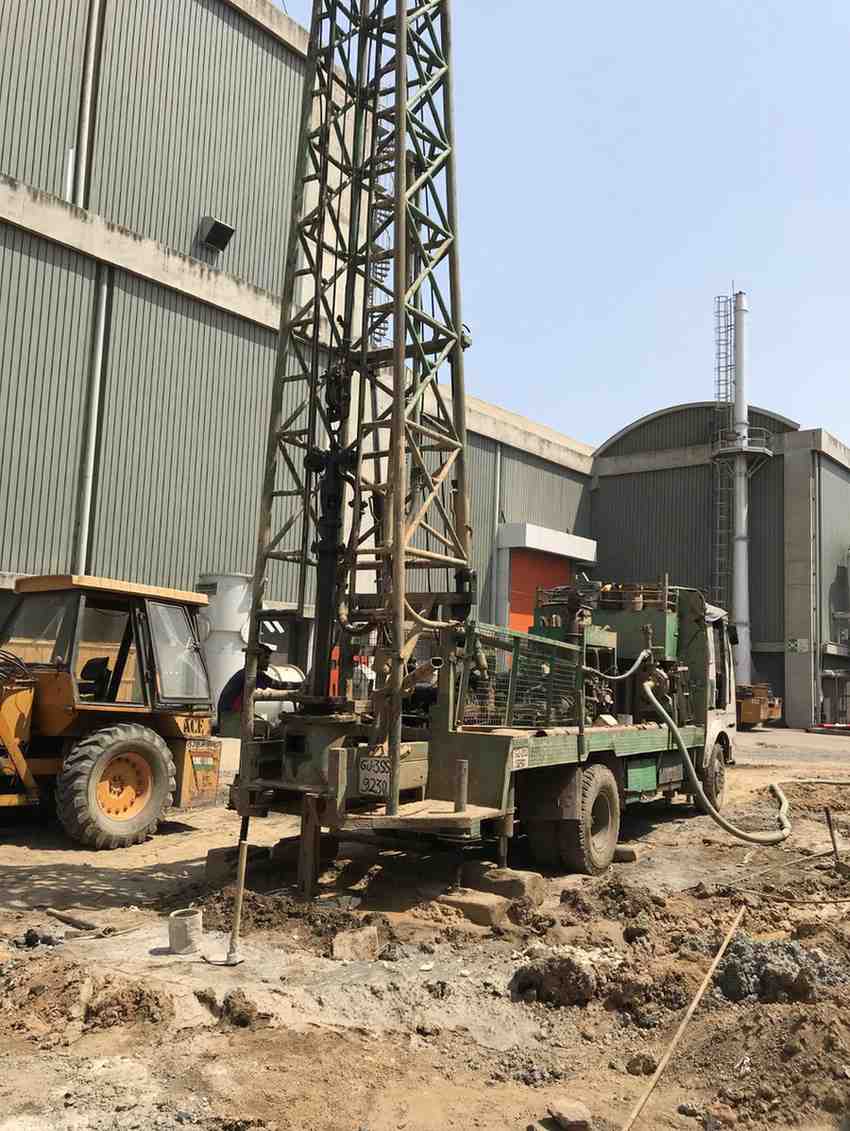
The Manual Auger Method is a reliable piling technique suitable for locations with restricted access or where low noise and vibration are essential. A tripod and manual winch system are used to drill boreholes using a helical auger. This method is commonly employed for pile diameters ranging from 250 mm to 1000 mm and offers an economical solution for smaller foundation projects.
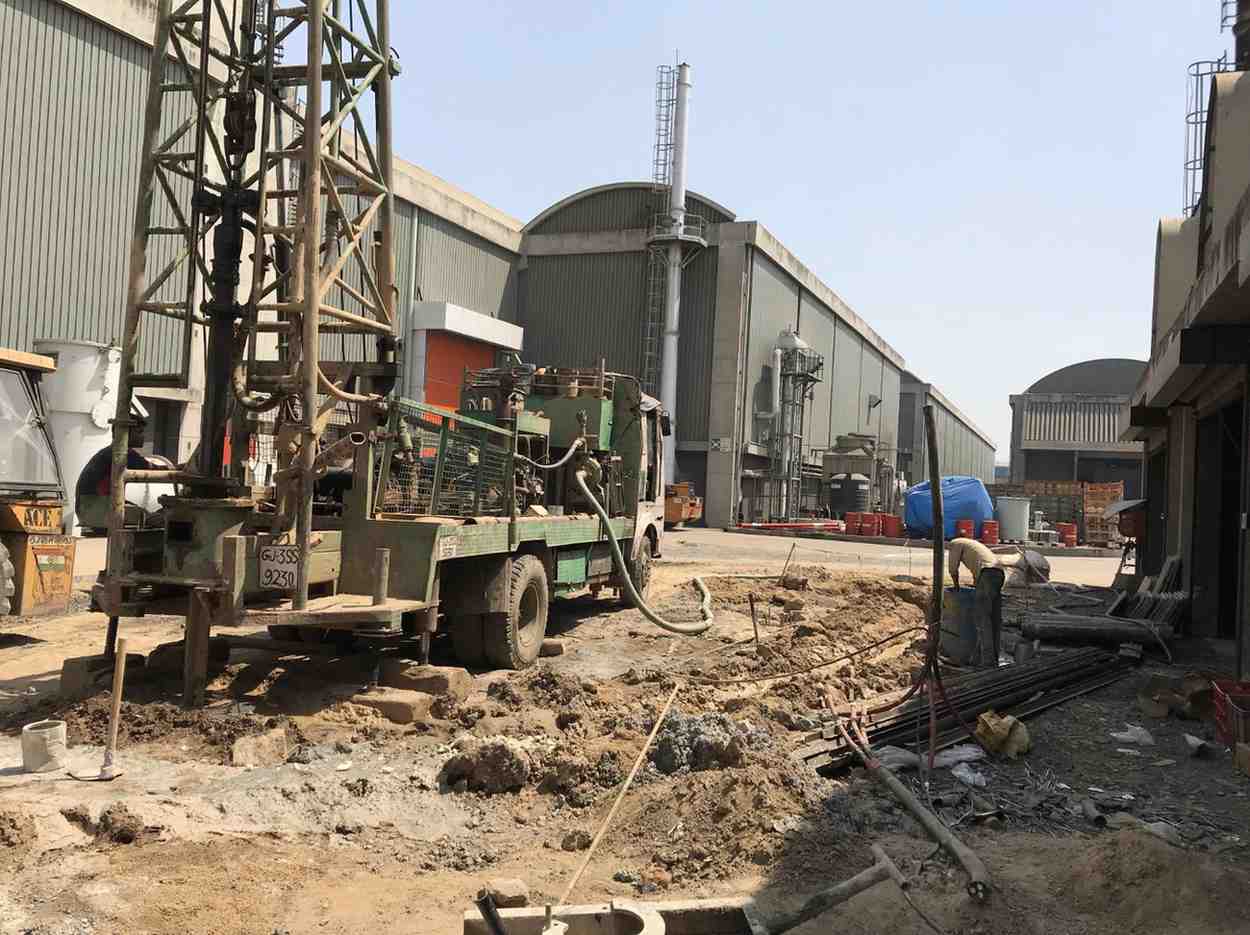
Our Truck Mounted Rotary (TMR) rigs utilize continuous bentonite slurry circulation to stabilize boreholes during drilling. Auger drilling is performed to the required depth while bentonite slurry supports the excavation and carries excavated soil back to a recycling tank. This method ensures bore stability, efficient spoil removal, and high productivity, particularly in loose or soft soil strata.
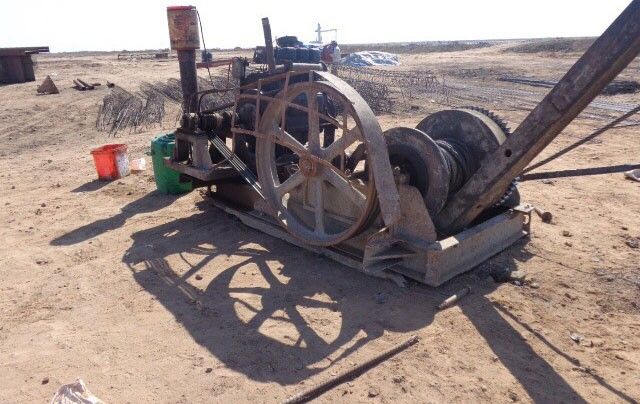
The DMC Pile Method employs Mendola-type rigs combined with bentonite drilling fluid for safe and efficient pile construction. Surface soil is loosened using a bailer before drilling continues with a percussion chisel. Bentonite slurry stabilizes the bore while transporting excavated material to settling pits. Once the desired depth is achieved, the drilling tools are removed and the final depth is verified before reinforcement and concreting.
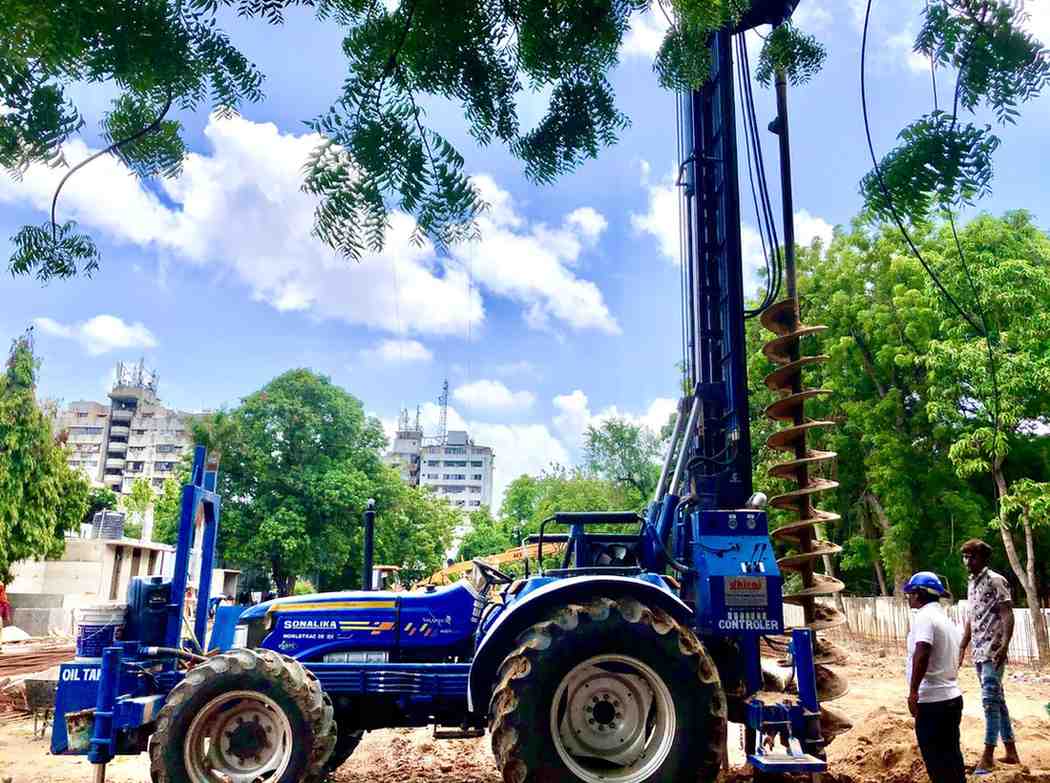
This method utilizes tractor-mounted rotary drilling rigs for fast and economical pile boring. Auger drilling is carried out to the required depth, with DMC rods added progressively to achieve deeper penetration through varying soil strata. It is particularly suitable for medium-depth foundation works and offers drilling capacities of up to 16 meters with excellent operational efficiency.
Click any image or video to view it in full screen.
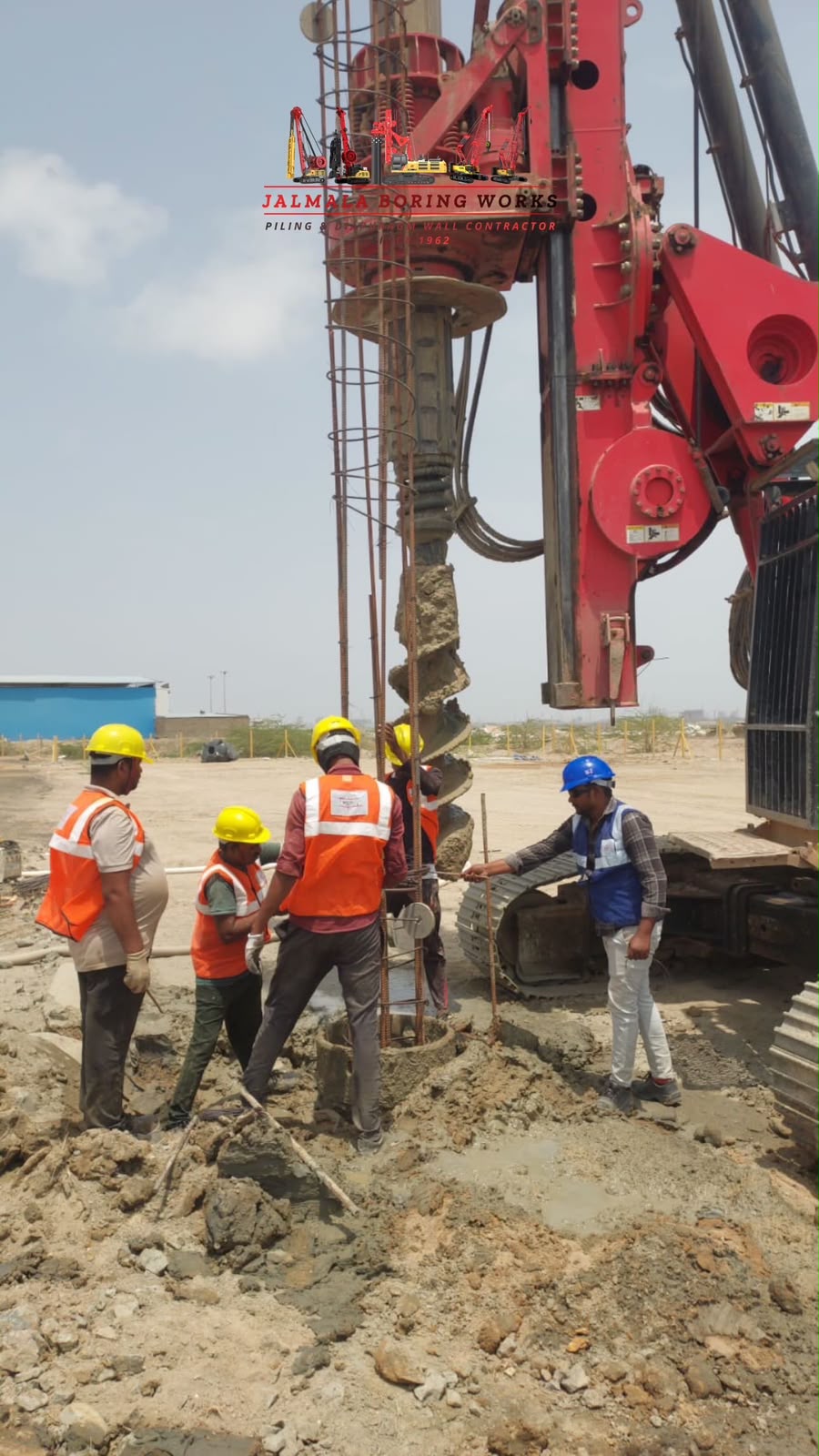
Detailed survey, marking of pile locations, and installation of temporary guide casing.
Drilling of pile bore using Hydraulic Rotary Rig to required depth.
Preparation and circulation of Bentonite/Polymer Slurry and borehole cleaning.
Fabrication and lowering of reinforcement cage into the bore.
Continuous concrete placement using tremie pipes.
Final pile completion, head trimming, and quality assurance.