
Pile Foundation
Bored Cast-in-Situ Piling Specialists
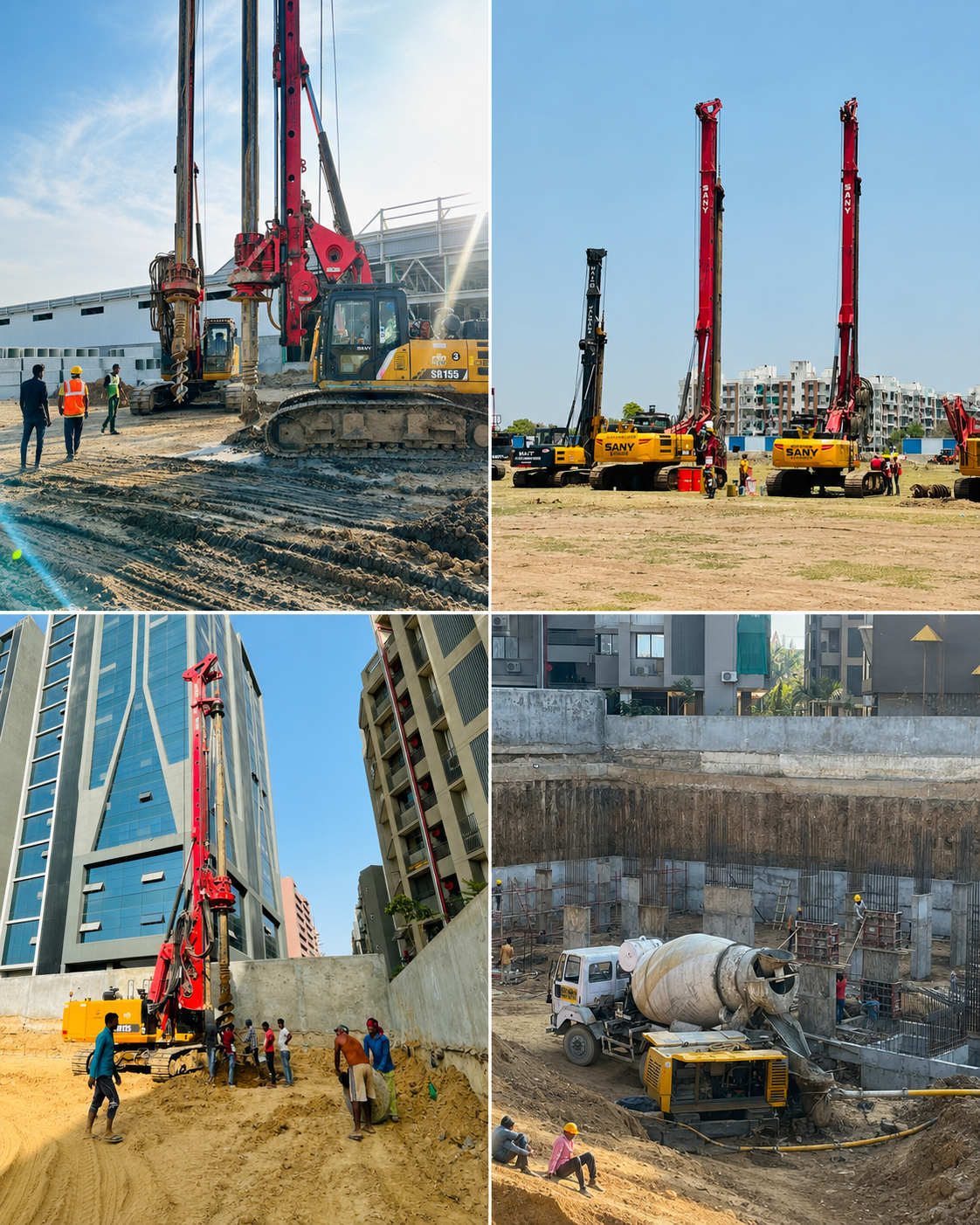
Jalmala Boring Works provides Pile Foundation and Deep Foundation Solutions using Bored Cast-in-Situ Piles for residential, commercial, industrial, and infrastructure projects. With advanced Hydraulic Rotary Rigs, we construct piles from 300 mm to 1800 mm diameter and depths of up to 50 metres, delivering reliable load-bearing capacity across soft soil, hard rock, and high groundwater conditions.
Our Piling Methods
We deploy six proven techniques — selected based on soil profile, site constraints, and project requirements.
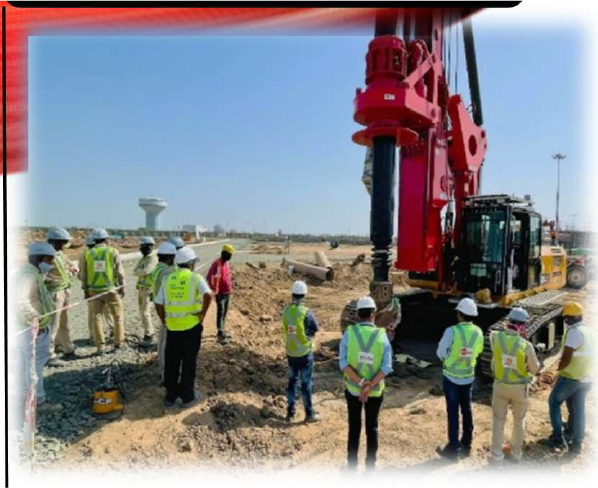
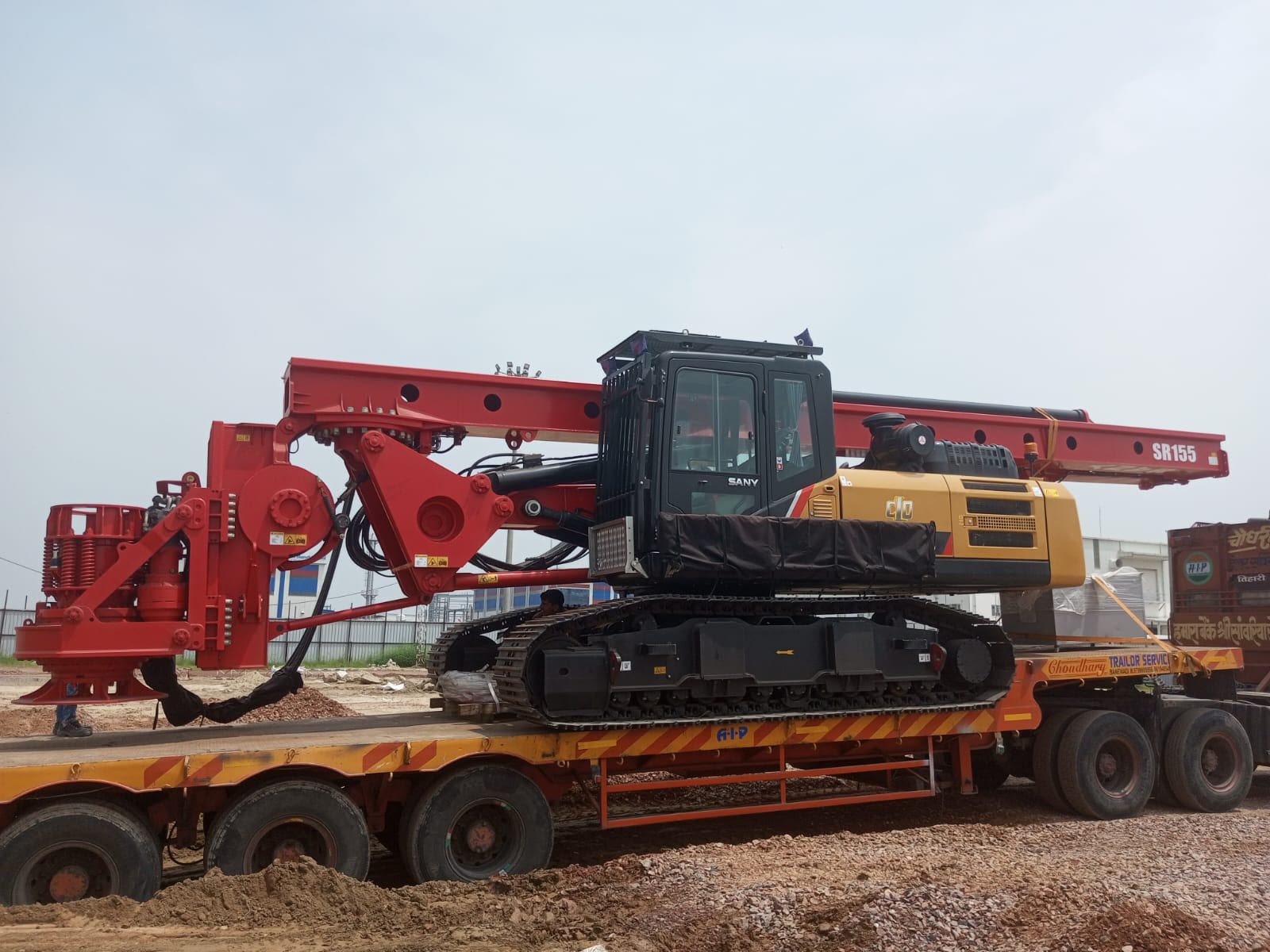
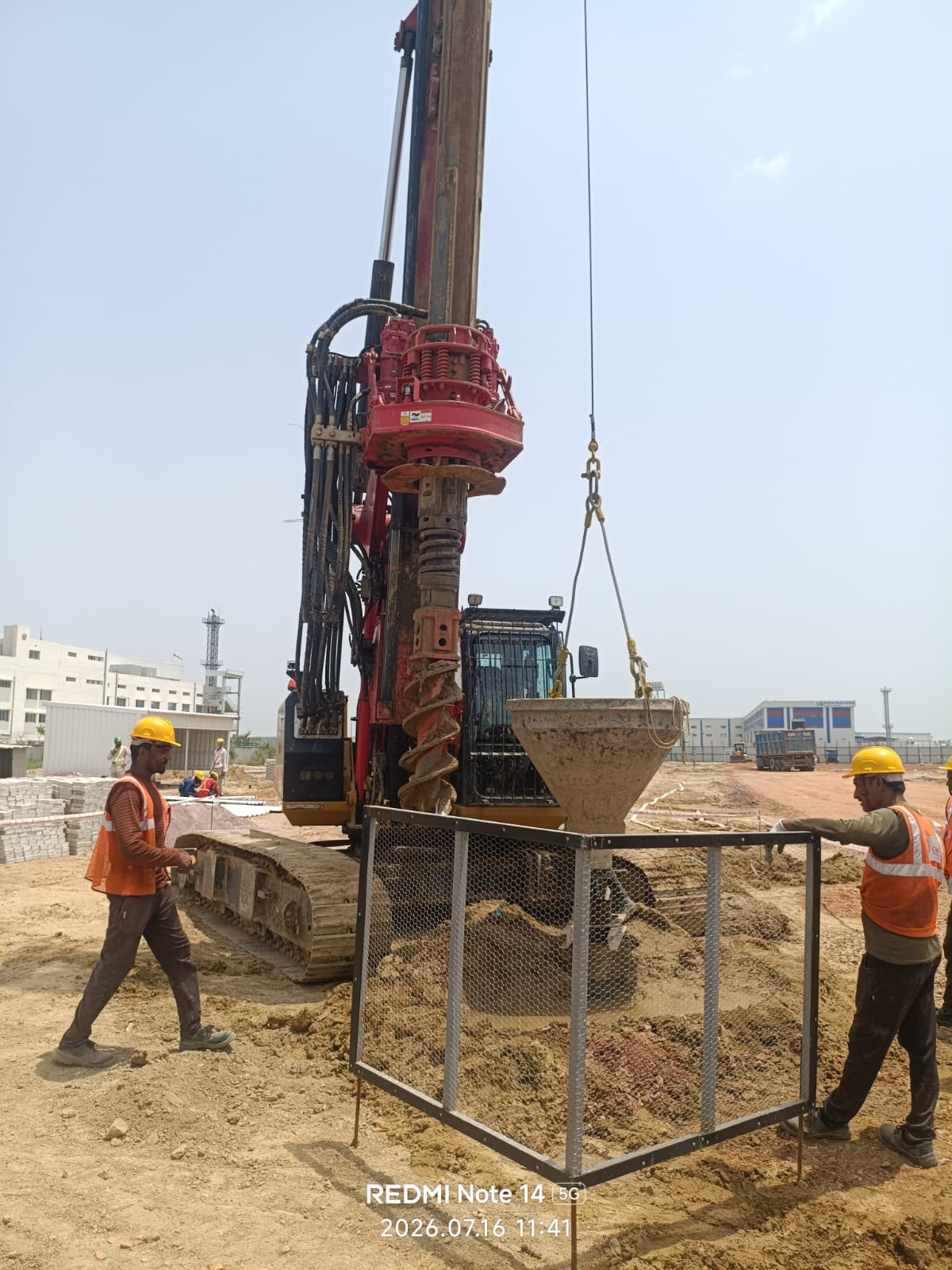
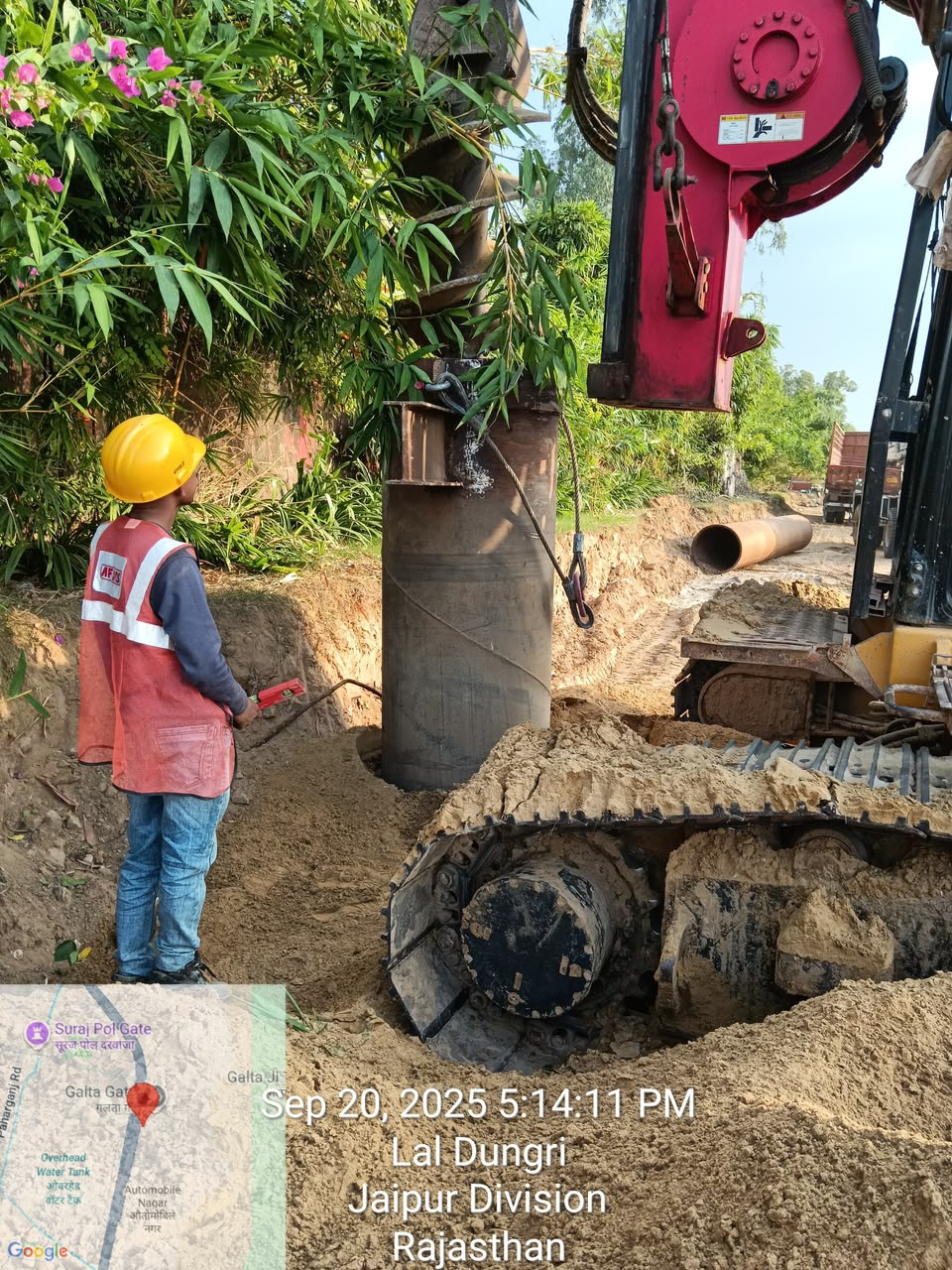
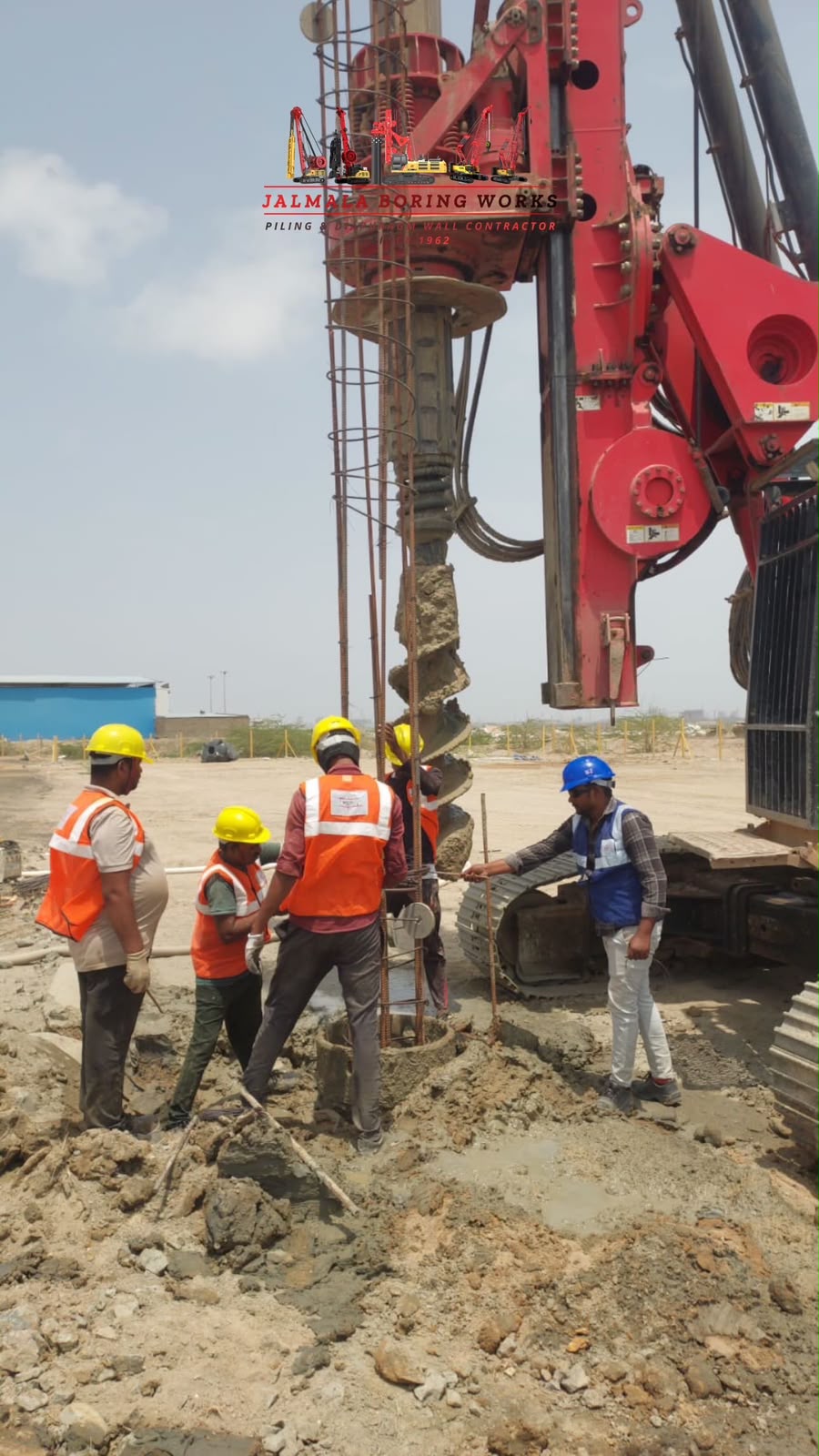
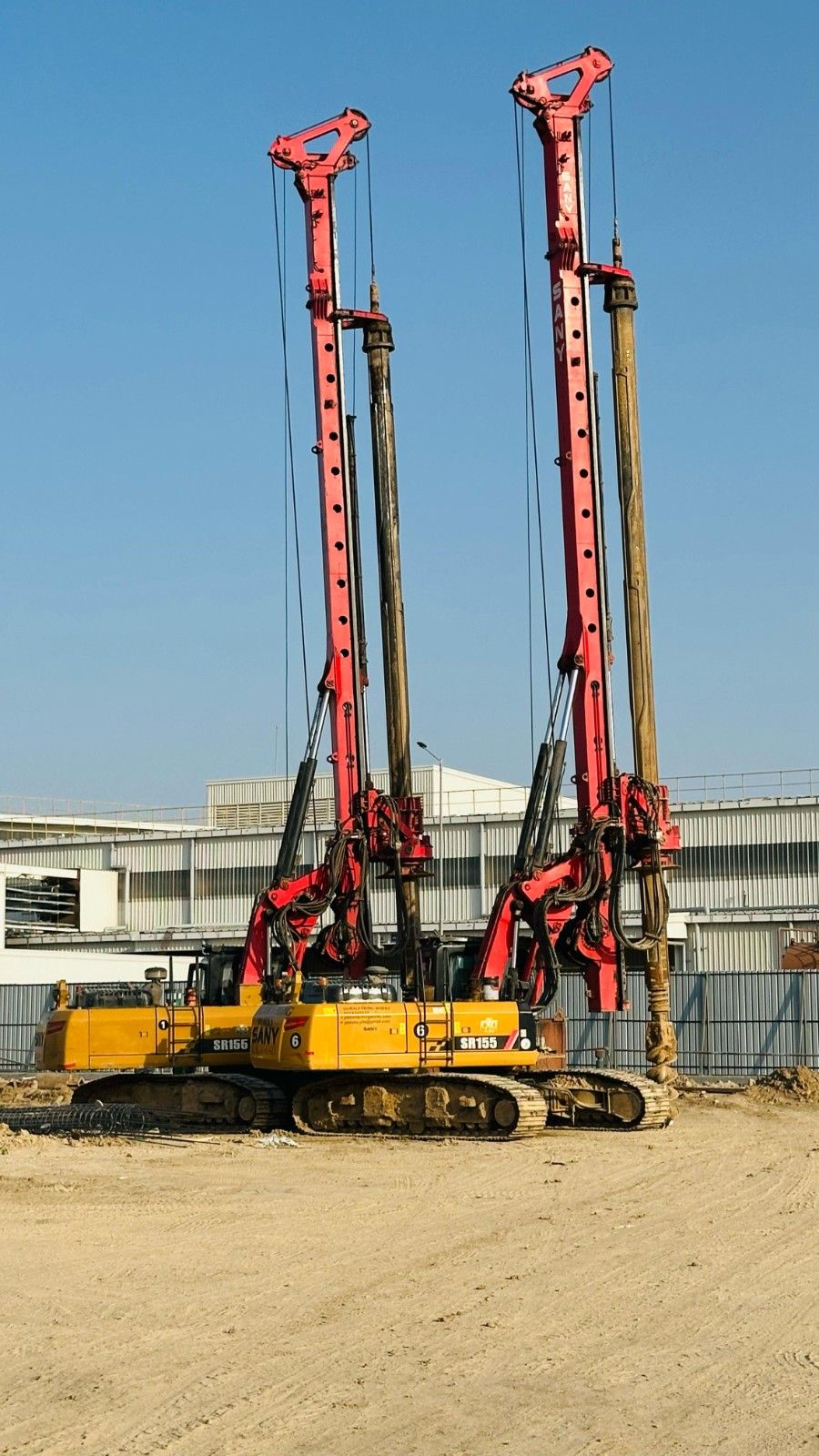
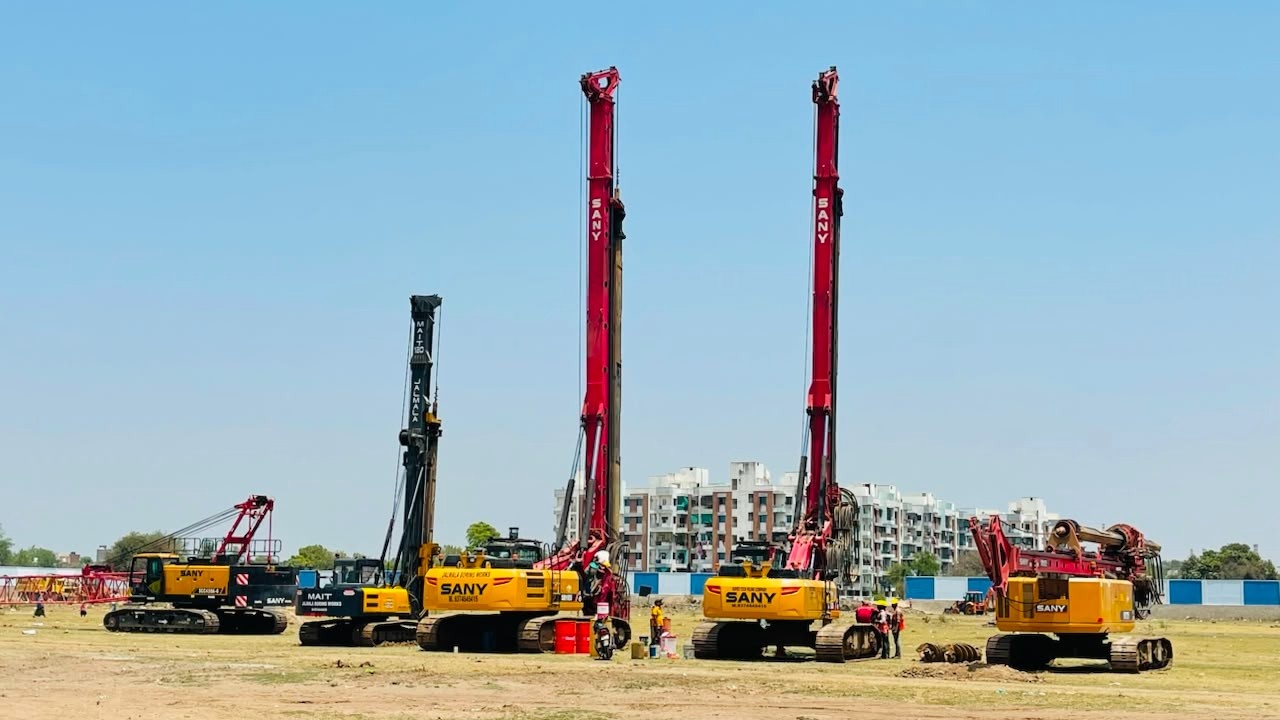
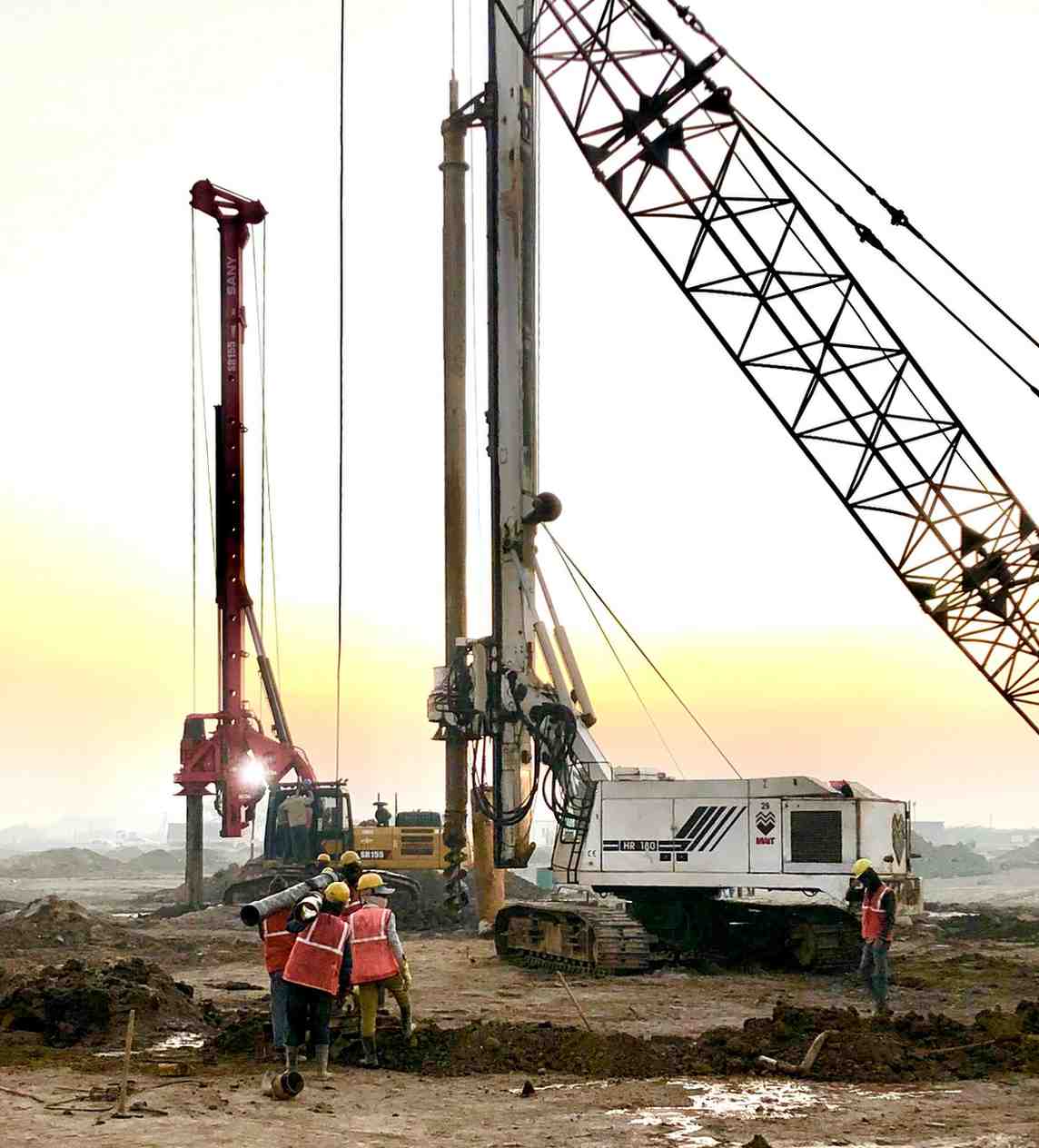
We specialize in bored piling with diameters ranging from 200 mm to 2000 mm and depths up to 50 meters. Using advanced hydraulic rotary rigs, we execute piling operations efficiently across a wide range of soil conditions. Our fleet includes high-performance rotary drilling rigs capable of working in restricted headroom areas while delivering precision, stability, and high productivity.
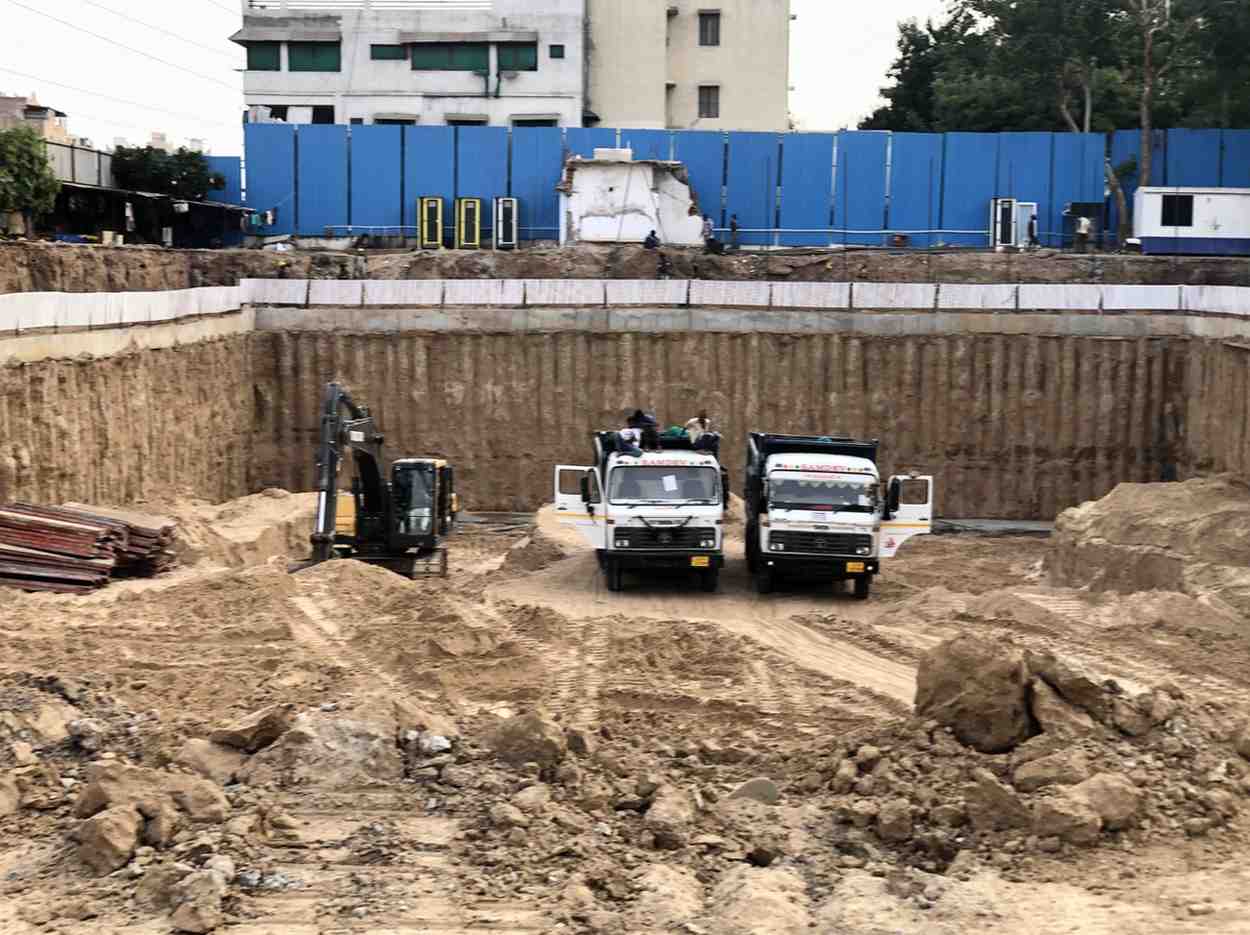
Secant pile walls are constructed by intersecting reinforced concrete piles to form a continuous retaining structure. Primary piles are installed first, followed by reinforced secondary piles after sufficient curing. This technique provides excellent groundwater control and soil retention, making it ideal for deep excavations, basements, and foundation support in challenging ground conditions.
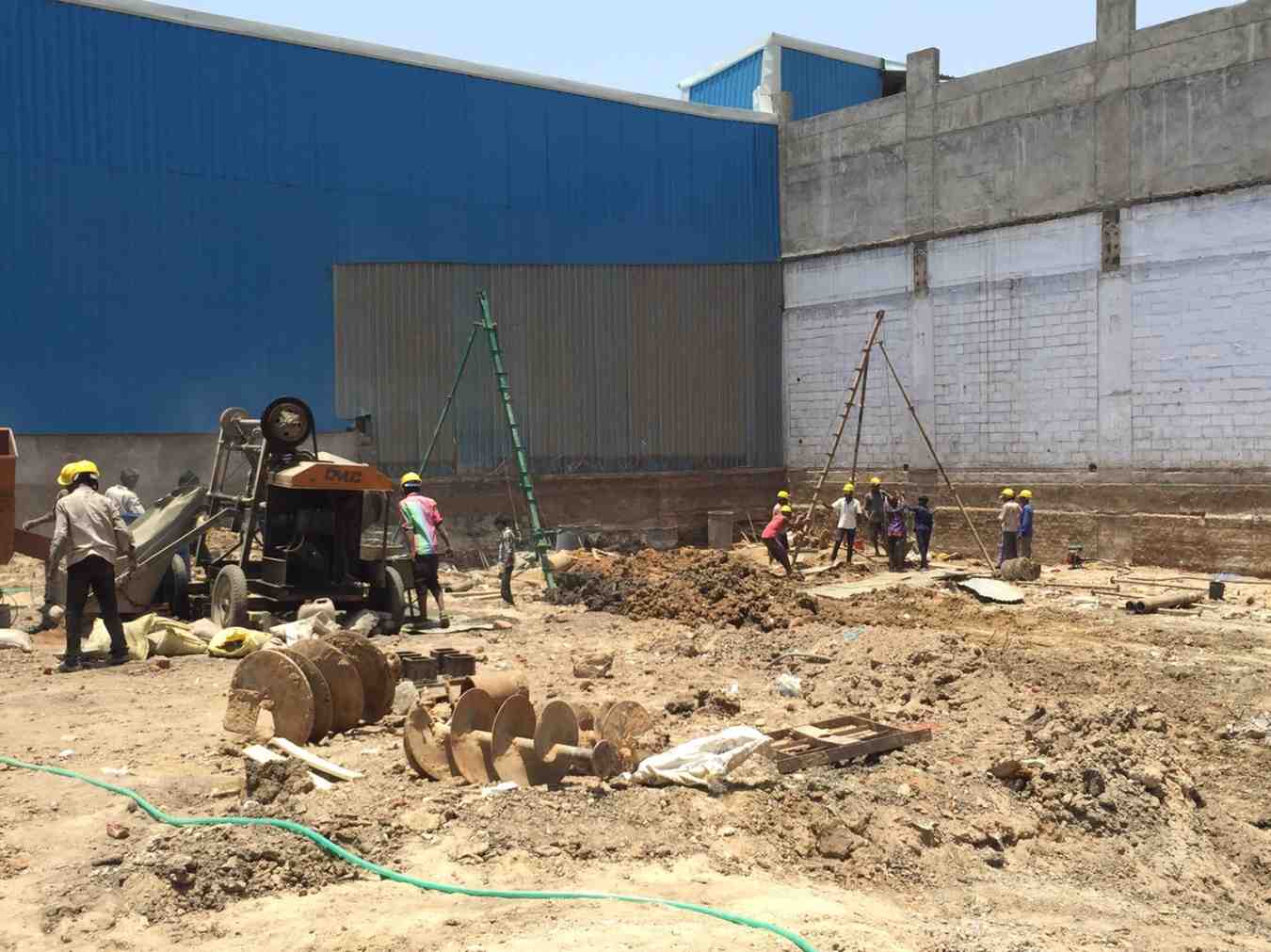
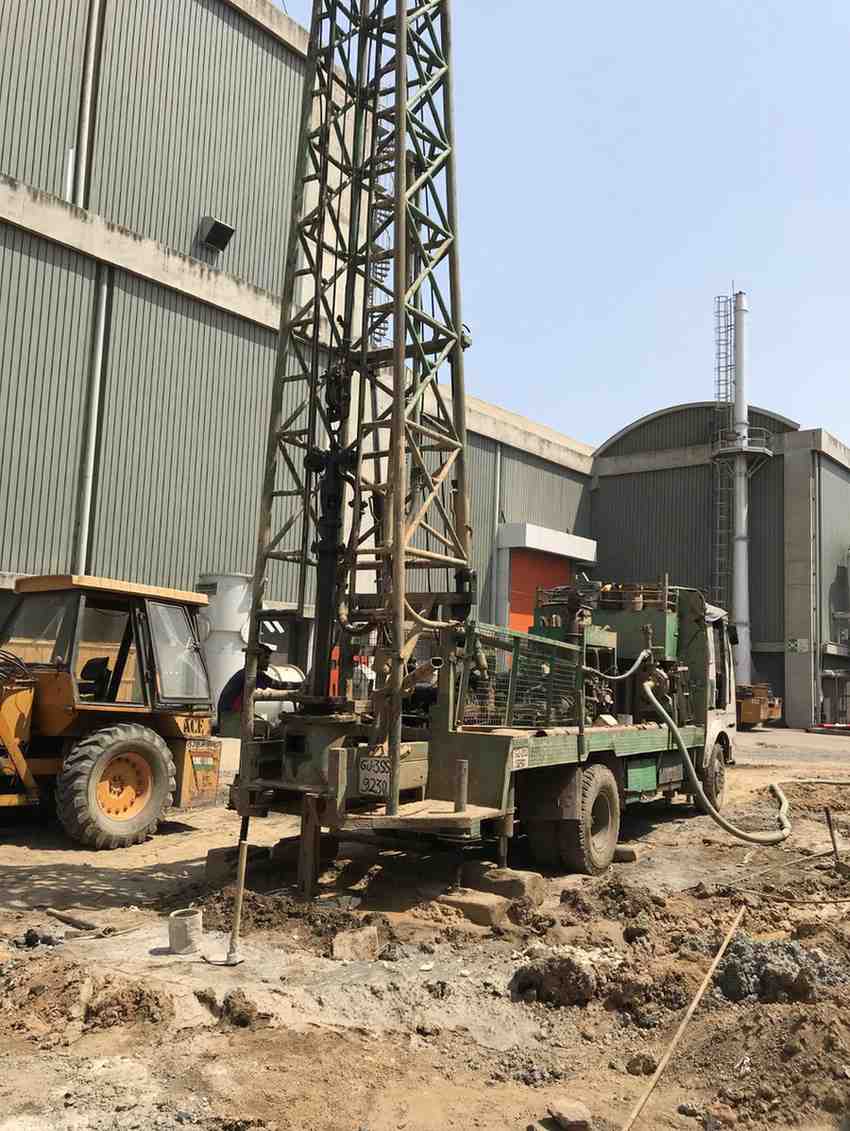
The Manual Auger Method is a reliable piling technique suitable for locations with restricted access or where low noise and vibration are essential. A tripod and manual winch system are used to drill boreholes using a helical auger. This method is commonly employed for pile diameters ranging from 250 mm to 1000 mm and offers an economical solution for smaller foundation projects.
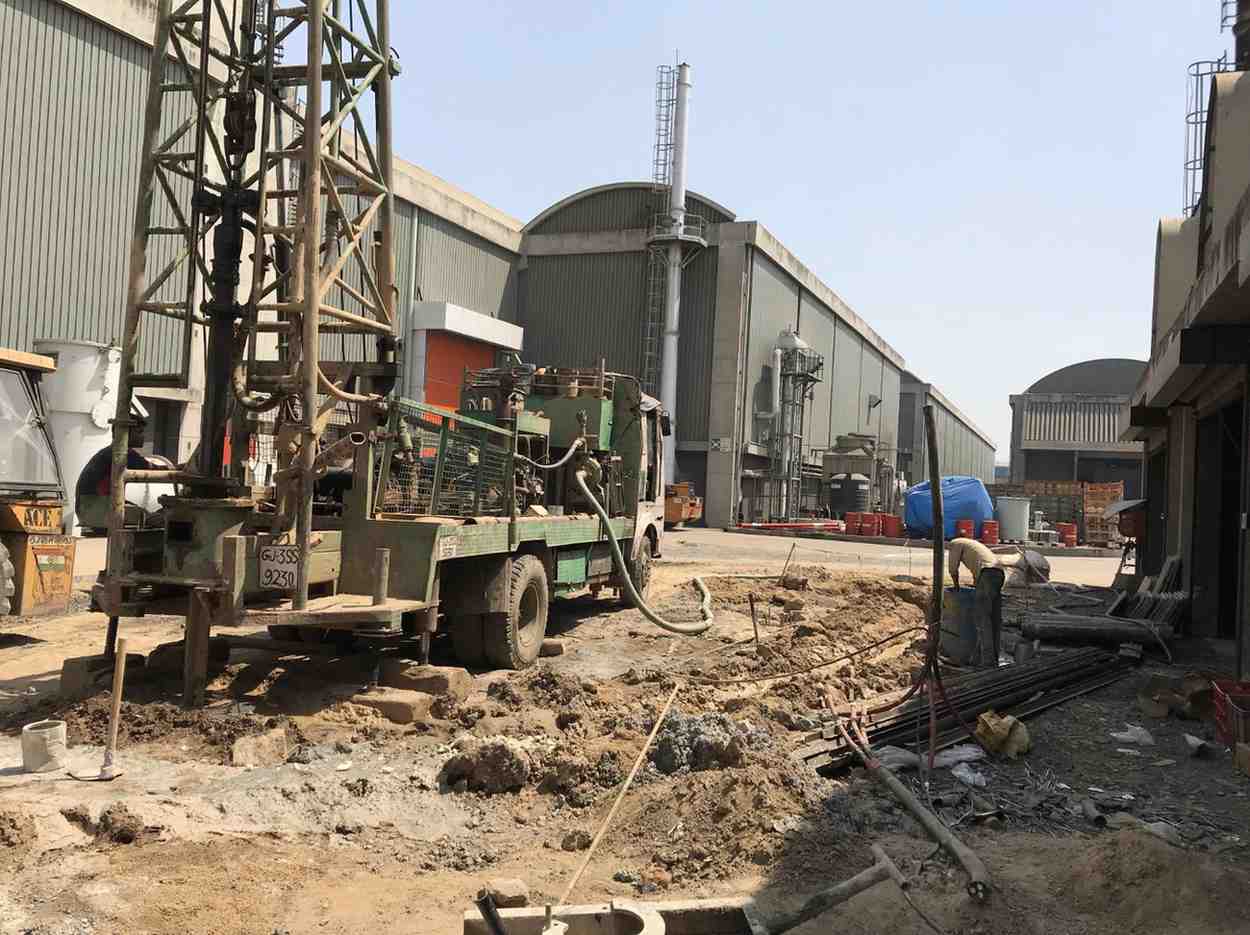
Our Truck Mounted Rotary (TMR) rigs utilize continuous bentonite slurry circulation to stabilize boreholes during drilling. Auger drilling is performed to the required depth while bentonite slurry supports the excavation and carries excavated soil back to a recycling tank. This method ensures bore stability, efficient spoil removal, and high productivity, particularly in loose or soft soil strata.
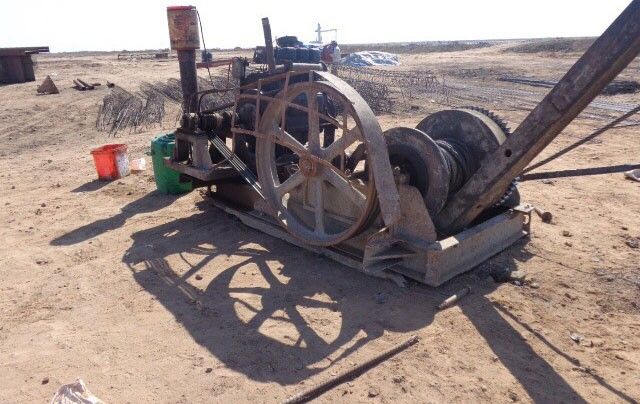
The DMC Pile Method employs Mendola-type rigs combined with bentonite drilling fluid for safe and efficient pile construction. Surface soil is loosened using a bailer before drilling continues with a percussion chisel. Bentonite slurry stabilizes the bore while transporting excavated material to settling pits. Once the desired depth is achieved, the drilling tools are removed and the final depth is verified before reinforcement and concreting.
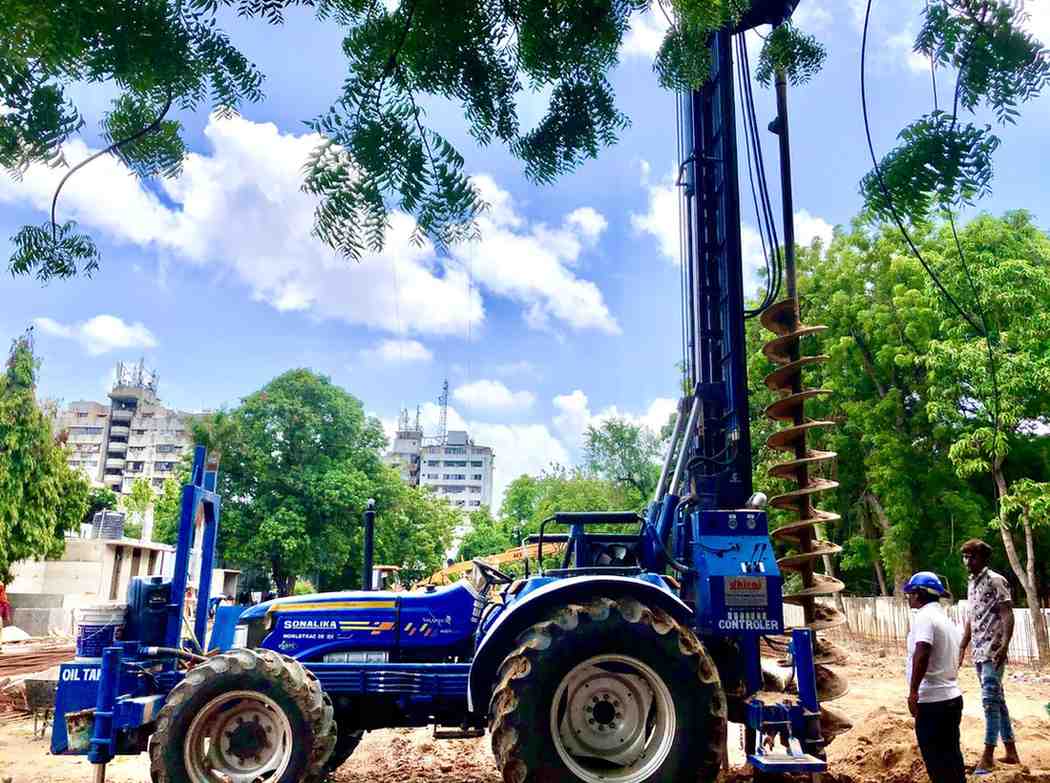
This method utilizes tractor-mounted rotary drilling rigs for fast and economical pile boring. Auger drilling is carried out to the required depth, with DMC rods added progressively to achieve deeper penetration through varying soil strata. It is particularly suitable for medium-depth foundation works and offers drilling capacities of up to 16 meters with excellent operational efficiency.
Our Work in Action
Click any image or video to view it in full screen.
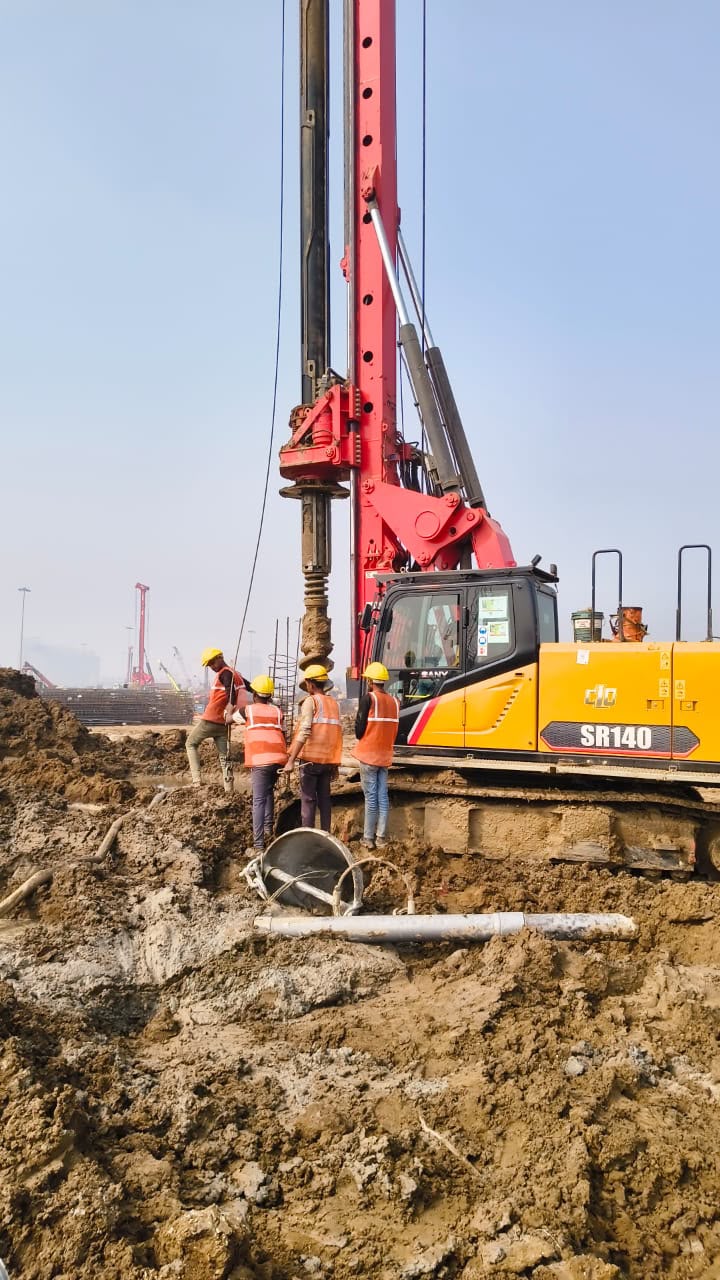
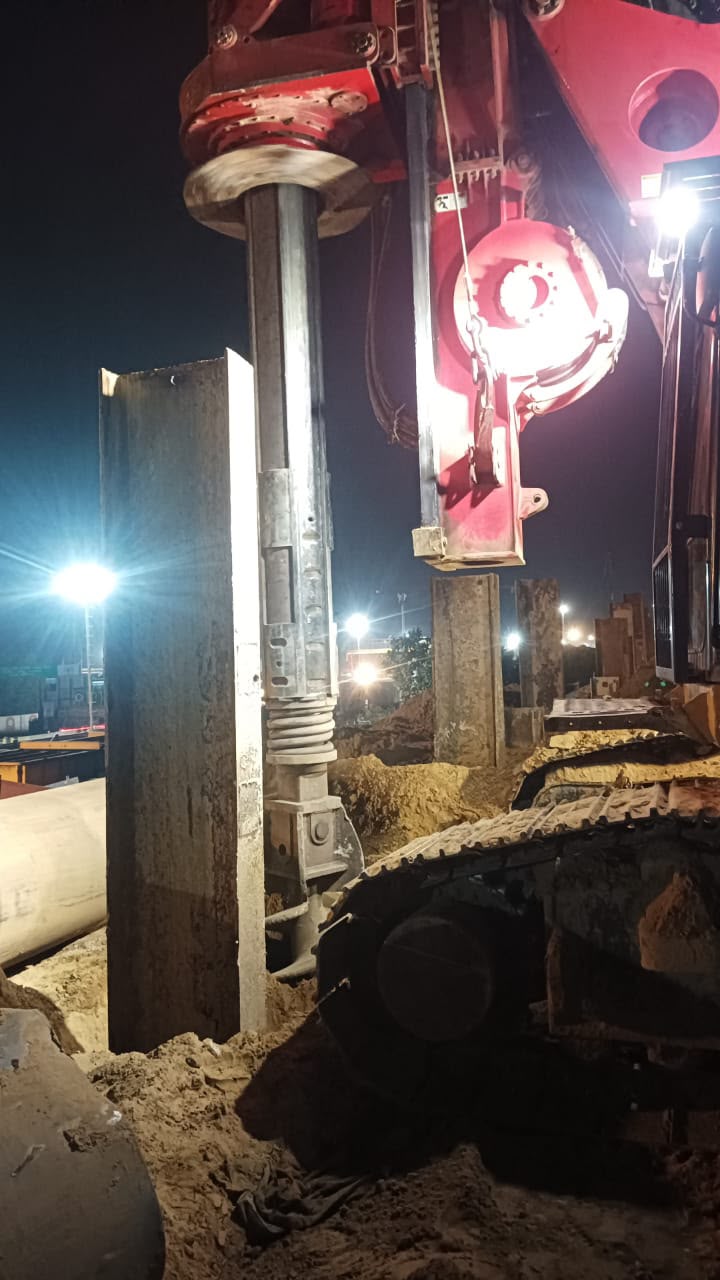
Recent Projects
Pile FoundationConstruction Process
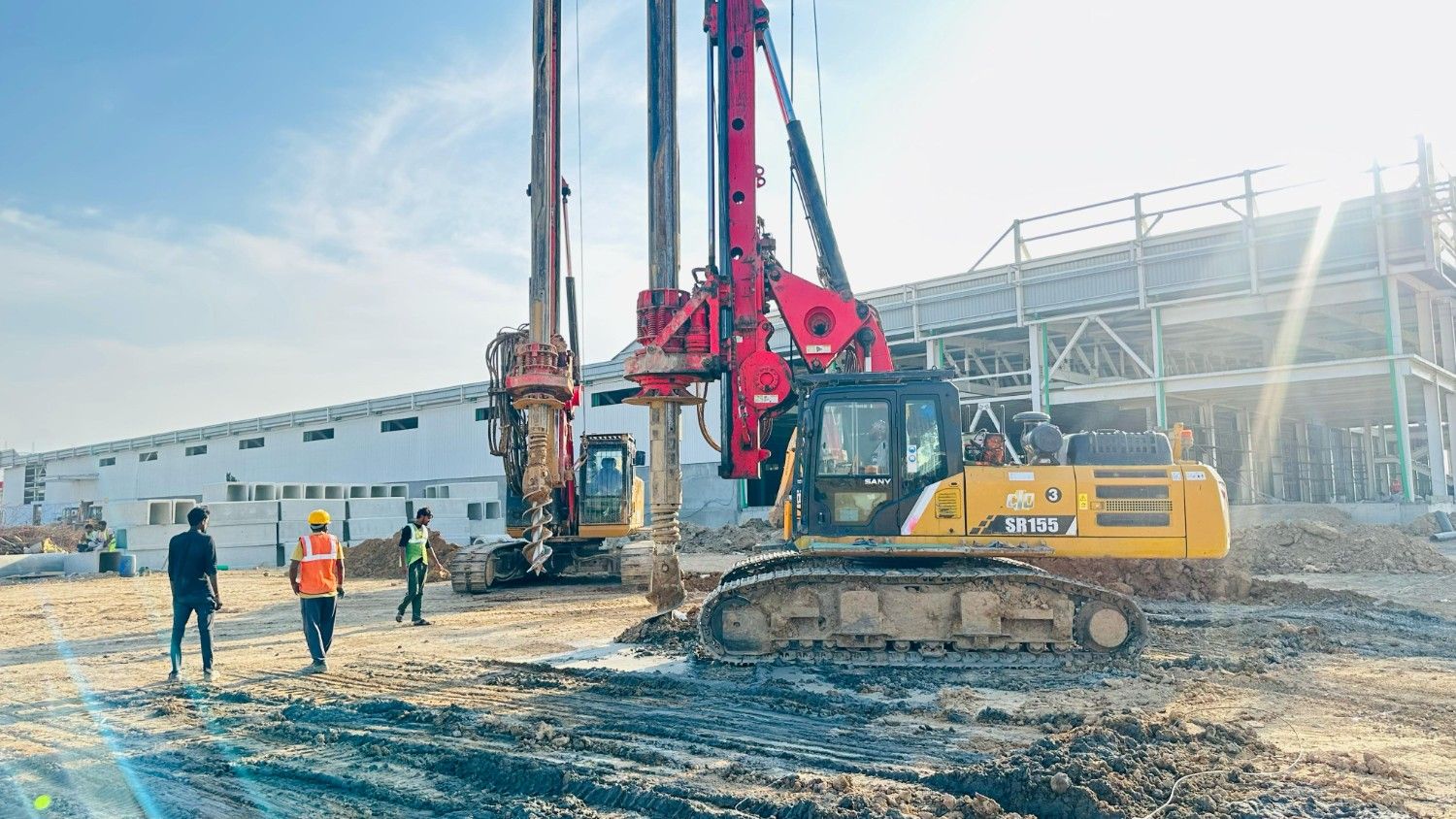
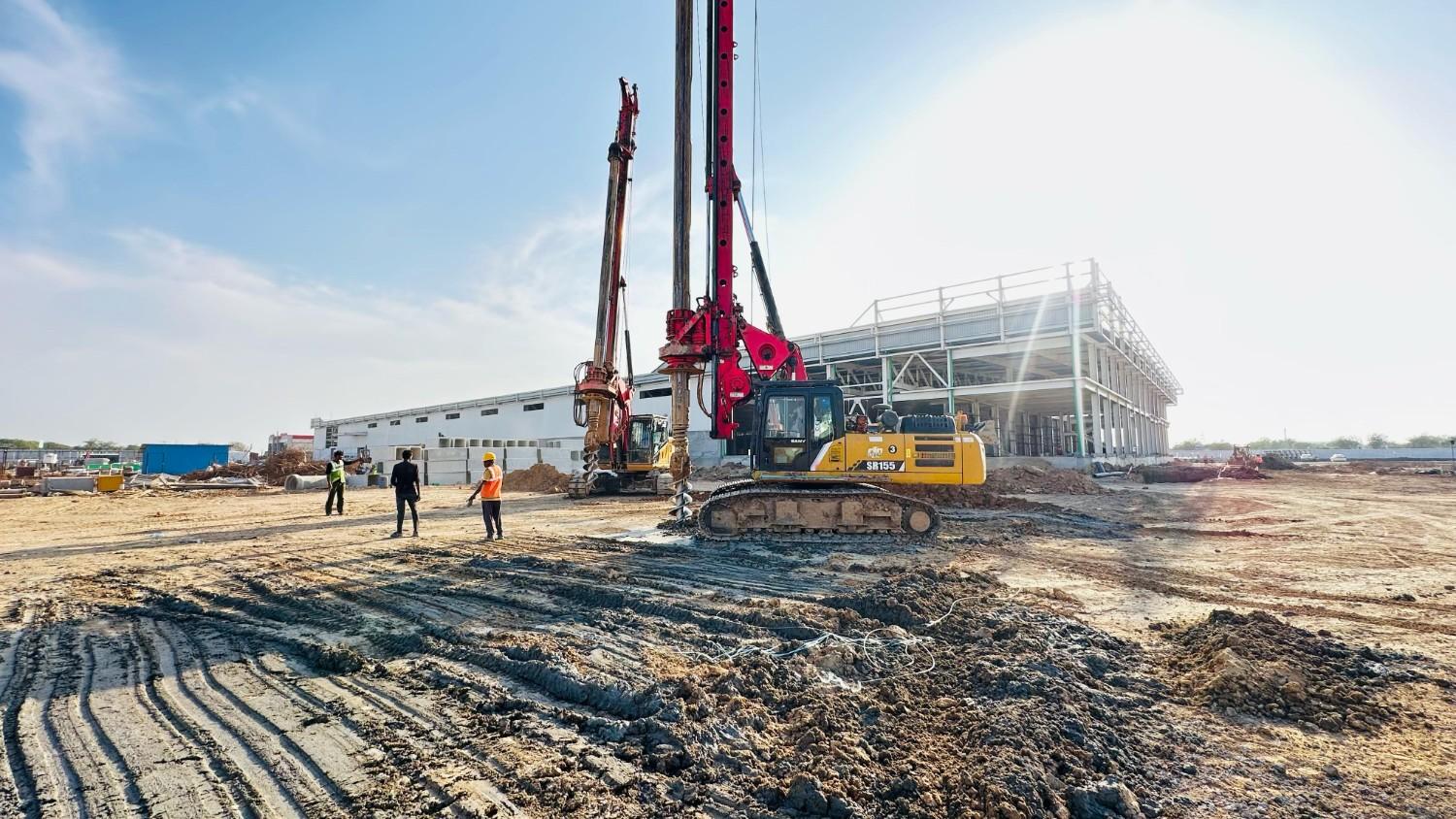
Survey, Setting Out & Guide Casing Installation
Detailed survey, marking of pile locations, and installation of temporary guide casing.
- Detailed survey and marking of pile locations
- Verification of pile coordinates and levels
- Positioning of Hydraulic Rotary Piling Rig
- Installation of temporary guide casing
- Ensures accurate pile alignment and protects bore opening
Pile Boring & Excavation
Drilling of pile bore using Hydraulic Rotary Rig to required depth.
- Drilling of pile bore using Hydraulic Rotary Rig
- Excavation carried out to the required depth and founding strata
- Suitable drilling tools used for soil, rock, or hard strata
- Continuous monitoring of depth, verticality, and pile diameter
- Removal and disposal of excavated soil from site
Slurry Support & Borehole Cleaning
Preparation and circulation of Bentonite/Polymer Slurry and borehole cleaning.
- Preparation and circulation of Bentonite/Polymer Slurry
- Stabilization of borehole walls during drilling
- Recycling of slurry through slurry plant
- Cleaning of borehole bottom to remove loose sediments
- Final inspection of bore depth and cleanliness
Reinforcement Cage Installation
Fabrication and lowering of reinforcement cage into the bore.
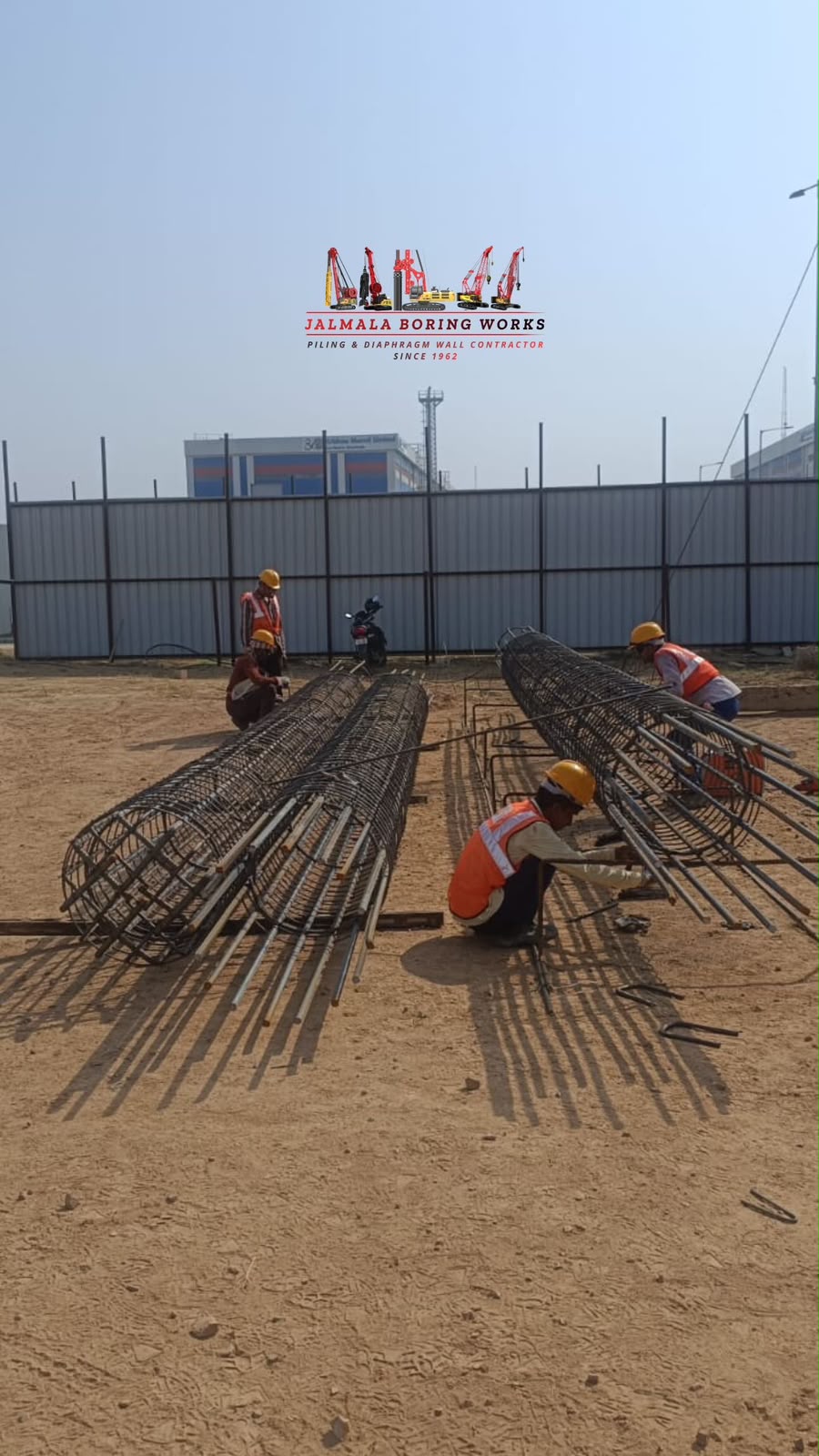
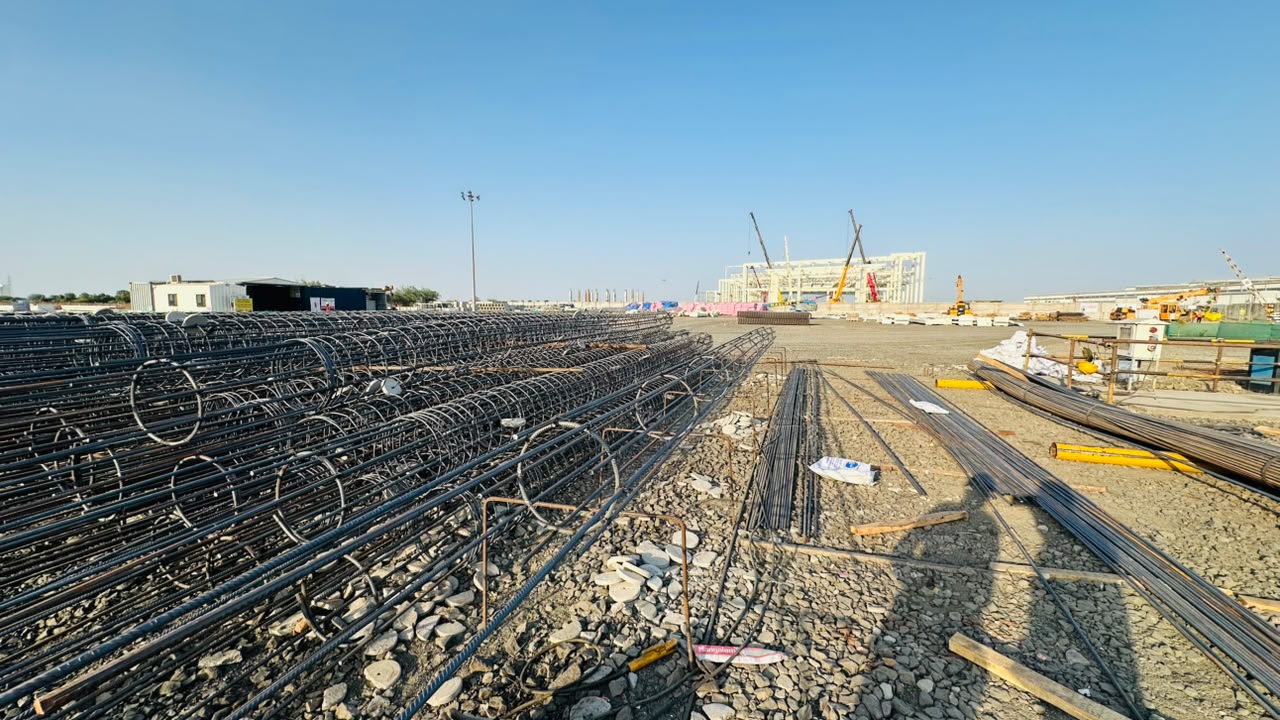
- Fabrication of reinforcement cage as per approved drawings
- Installation of spacers, couplers, lifting points, and cover blocks
- Lowering of reinforcement cage into the completed bore
- Accurate positioning and level adjustment
- Quality inspection before concrete placement
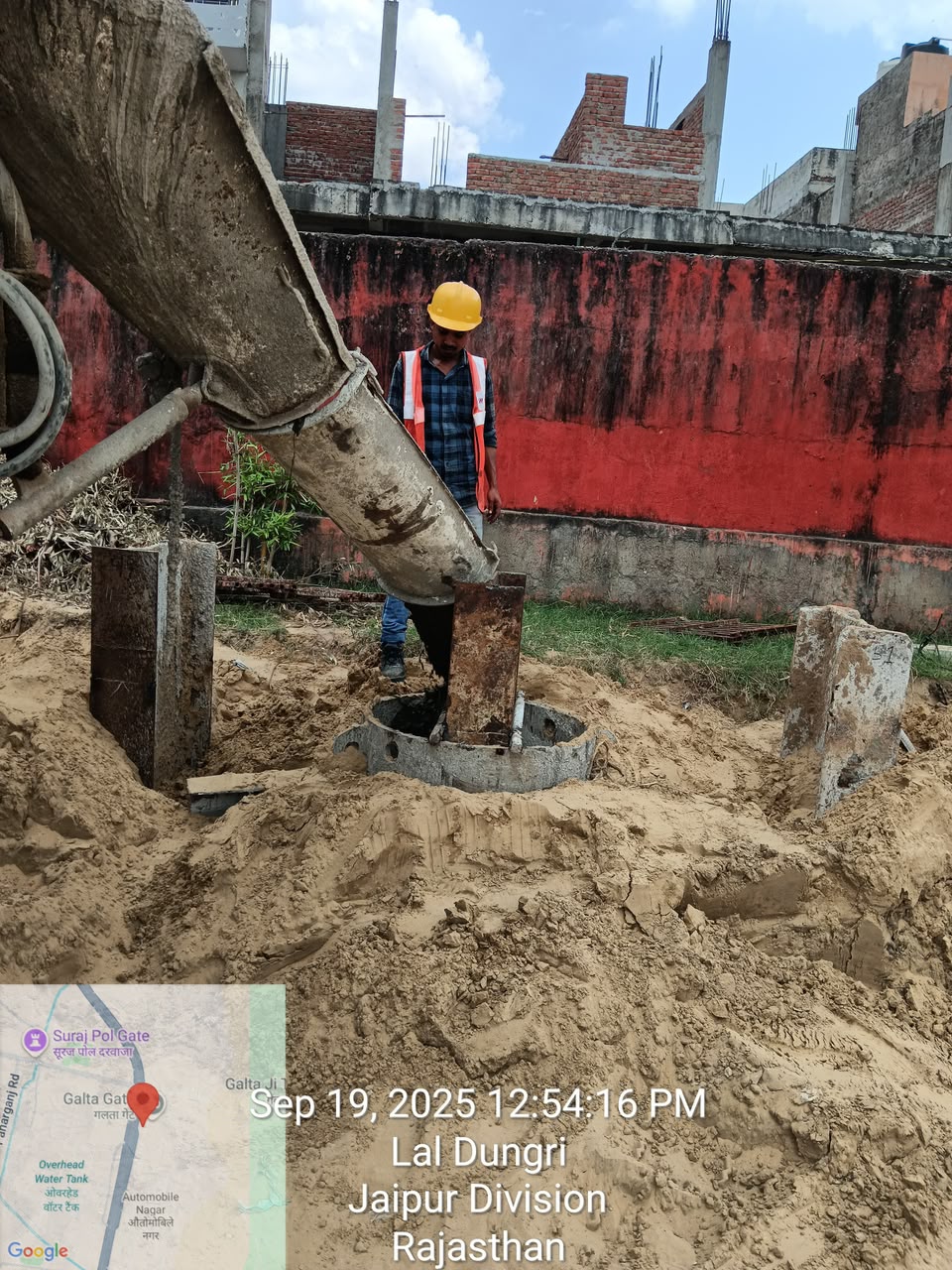
Tremie Concreting
Continuous concrete placement using tremie pipes.
- Installation of tremie pipes up to borehole bottom
- Continuous placement of concrete from bottom to top
- Prevention of concrete segregation through tremie method
- Displacement and recovery of slurry during concreting
- Completion of pile concreting in one uninterrupted operation
Pile Completion & Quality Control
Final pile completion, head trimming, and quality assurance.
- Extraction of temporary casing during or after concreting
- Recording of concrete consumption and pile parameters
- Pile head chipping up to cut-off level
- Verification of pile depth, diameter, and concrete quality
- Completion of testing, documentation, and quality assurance
- Ready for pile cap and foundation construction
Pile Foundation Design in Gandhinagar – G+4 to G+15 Engineering & GUDA Approvals
Gandhinagar is the only city in your piling portfolio where the same city spans two completely different pile design regimes: G+4 low-rise in the older planned sectors (1-20) and G+15 high-rise in the newer growth corridors (26-30, Sargasan, Kudasan). Add the capital-city approval regime under GUDA (Gandhinagar Urban Development Authority), and Gandhinagar becomes a design engineering challenge, not just a construction logistics challenge. If you are a pile foundation contractor in Gandhinagar who needs to coordinate with structural consultants and GUDA approvals, this page explains how the design process actually works.
G+4 Low-Rise (Sectors 1-20) – Shallow Piles & Under-Reamed Design
Gandhinagar's older sectors (1-20) have strict height restrictions preserving the capital city's low-rise character. Pile design in these sectors is typically 10-15 meters deep with 400-600 mm diameters, often using under-reamed piles for black cotton soil that underlies much of the city's core. Load capacity is typically 50-150 tonnes per pile. Testing protocol is proportionate: sample PIT on 20-30% of piles plus 1 static load test per project minimum. The design decisions here are driven by black cotton soil expansiveness and the need to stay within building height limits — not by deep foundation complexity. Our G+4 piling design in Gandhinagar optimizes for cost-efficiency within the height envelope.
G+8 Mid-Rise (Transition Sectors) – Medium Piles & Capacity Design
The transition sectors between Gandhinagar's core and the newer growth corridors (some parts of Sectors 21-25) allow G+8 mid-rise construction — creating a distinct piling design challenge. Pile design here is typically 15-20 meters deep with 600-800 mm diameters, load capacity 150-400 tonnes per pile. Soil conditions transition from black cotton to alluvial to weathered rock at variable depths, requiring careful mid-rise pile design in Gandhinagar informed by site-specific geotechnical investigation. Testing protocol: 100% PIT + 1% static load test. This is the transition zone where design decisions matter most — over-design wastes 15-25% of piling cost, under-design risks long-term settlement.
G+15 High-Rise (Sectors 26-30, Sargasan, Kudasan) – Deep Piles & Rock Socketing
Gandhinagar's newer growth corridors — Sectors 26-30, Sargasan, Kudasan, Raysan — allow high-rise buildings (G+10 to G+15+) requiring deep piles. Pile design here is typically 20-30 meters deep with 800-1,000 mm diameters, load capacity 300-800 tonnes per pile. The soil profile becomes more variable, with weathered rock at 8-15 meter depth in some locations — requiring rock-socketed pile design for Gandhinagar high-rises where weathered rock is encountered. Testing protocol escalates: 100% PIT + 1% static load test minimum + lateral load test on 1% sample per IS 2911 (higher seismic demand in Gandhinagar requires lateral capacity verification). Design coordination with structural consultants becomes essential at this tier.
Institutional Buildings – Custom Design for IIT, PDPU, NID, Infocity
Gandhinagar's institutional buildings — government facilities (Secretariat, Vidhan Sabha, High Court), education campuses (IIT Gandhinagar, PDPU, NID), and IT parks (Infocity, Infocity-2) — have custom pile design requirements. Institutional buildings often need higher design life (50-100 years vs 50 years for residential), stricter settlement criteria (25 mm differential vs 40 mm), and specific testing protocols per the client's engineering specification. Our institutional pile design services in Gandhinagar work with the client's structural consultant to meet these higher-tier requirements while maintaining cost efficiency.
GUDA Approvals – Capital-City Coordination
GUDA (Gandhinagar Urban Development Authority) governs all construction in Gandhinagar with a more rigorous approval regime than municipal corporations in other cities. Pile foundation approvals require: method statement submission, design documentation, inspection coordination during execution, and completion certificate input. The approval process typically takes 4-8 weeks from submission — longer than comparable cities where 2-4 weeks is common. Contractors unfamiliar with GUDA piling approval coordination often cause 6-10 week delays. Jalmala Boring Works handles GUDA coordination as part of standard scope, including design submission support, inspection coordination, and completion certificate documentation.
Load Testing Protocols by Building Type
Load testing protocol scales with building height and structural importance. G+4 low-rise: sample PIT on 20-30% of piles + 1 static load test per project minimum. G+8 mid-rise: 100% PIT + 1% static load test per IS 2911 Part 4. G+15 high-rise: 100% PIT + 1% static load test minimum + lateral load test on 1% sample per IS 2911. Institutional buildings: per client specification, typically 100% PIT + 1-2 static load tests + often lateral load. For Gandhinagar pile load testing, we submit complete test reports (load-displacement curves, PIT signatures, acceptance certificates) as part of the standard handover package — usable for GUDA completion certificates and future building modifications.
Design Coordination with Structural Consultants
For high-rise and institutional projects, design coordination with structural consultants is where design-build contractors add the most value. Jalmala Boring Works participates in three stages: Pre-design (review architectural footprint and structural grid, advise on pile layout feasibility, tower crane foundation, material storage); Design-stage (verify pile diameter, depth, capacity against geotechnical report; flag design issues before execution — typically saving 15-20% of piling cost); Pre-construction (constructability review of piling sequence, access, utility conflicts, basement integration). Our Gandhinagar design-build piling team is structured to support structural consultants through all three stages.
Contact Our Gandhinagar Design Team Today
Ready to discuss pile foundation design in Gandhinagar for your project? Call our engineering team at +91 93745 45415 or email jalmala.pile@gmail.com. Share your architectural drawings and geotechnical report if available — our engineering team responds within 3 business days with an initial design review. Main office is at Dholka Road, near Nariampura Village, Narimanpura, Sarkhej, Ahmedabad, Gujarat 382210. For a broader overview of our pile foundation services in Gandhinagar, see the services page — this page is specifically for design engineering and GUDA approvals.