
Pile Foundation
Bored Cast-in-Situ Piling Specialists
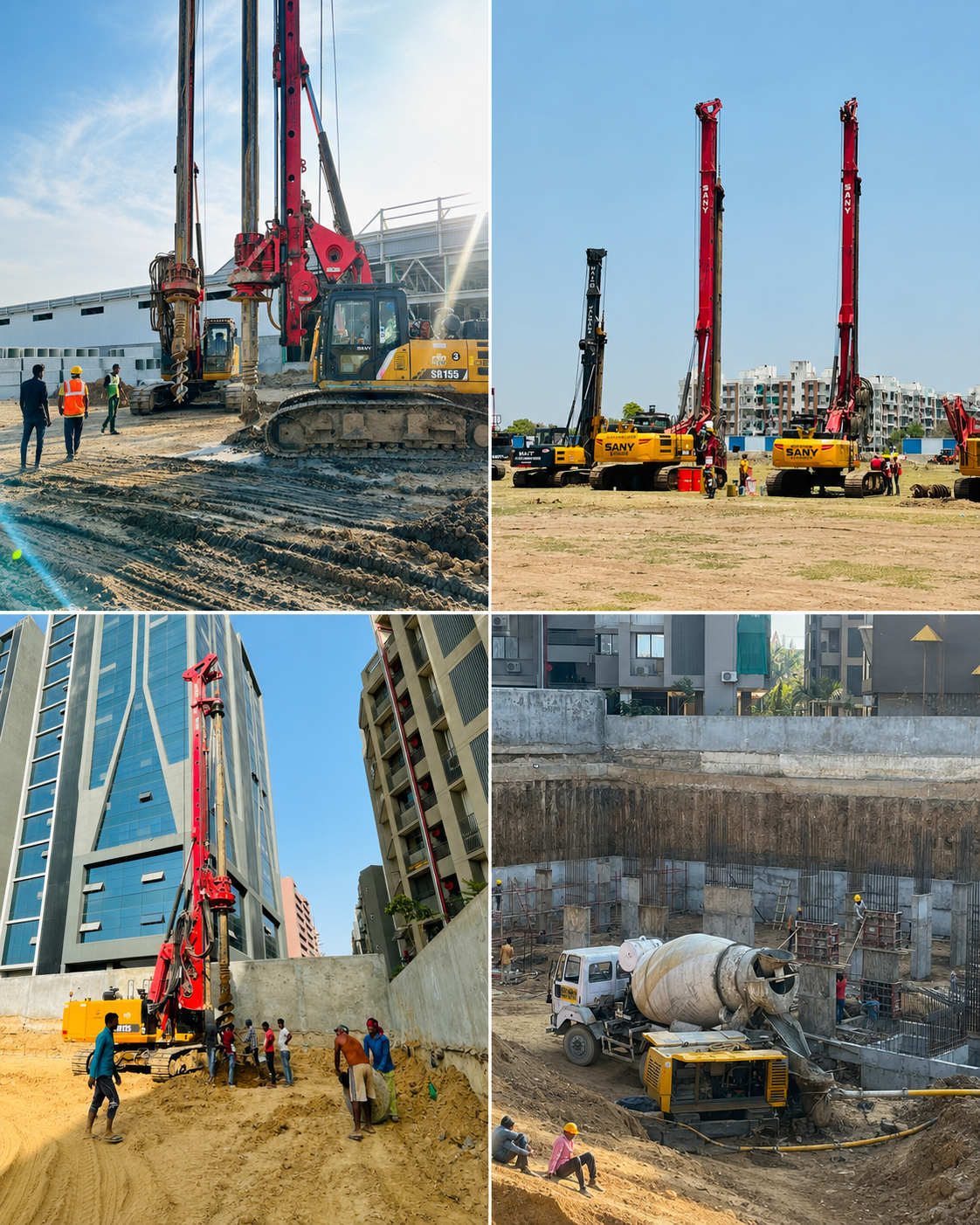
Jalmala Boring Works provides Pile Foundation and Deep Foundation Solutions using Bored Cast-in-Situ Piles for residential, commercial, industrial, and infrastructure projects. With advanced Hydraulic Rotary Rigs, we construct piles from 300 mm to 1800 mm diameter and depths of up to 50 metres, delivering reliable load-bearing capacity across soft soil, hard rock, and high groundwater conditions.
Our Piling Methods
We deploy six proven techniques — selected based on soil profile, site constraints, and project requirements.
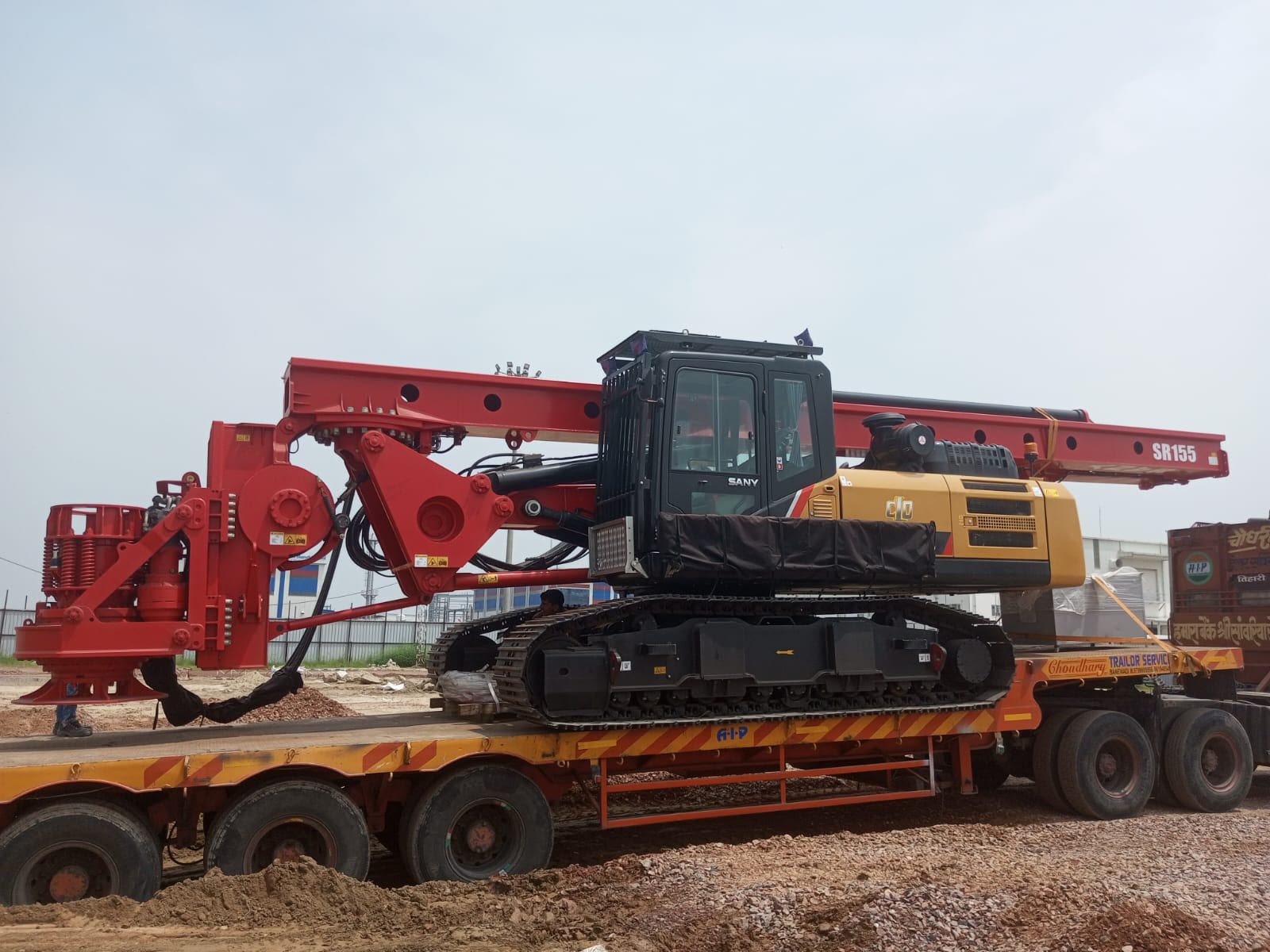
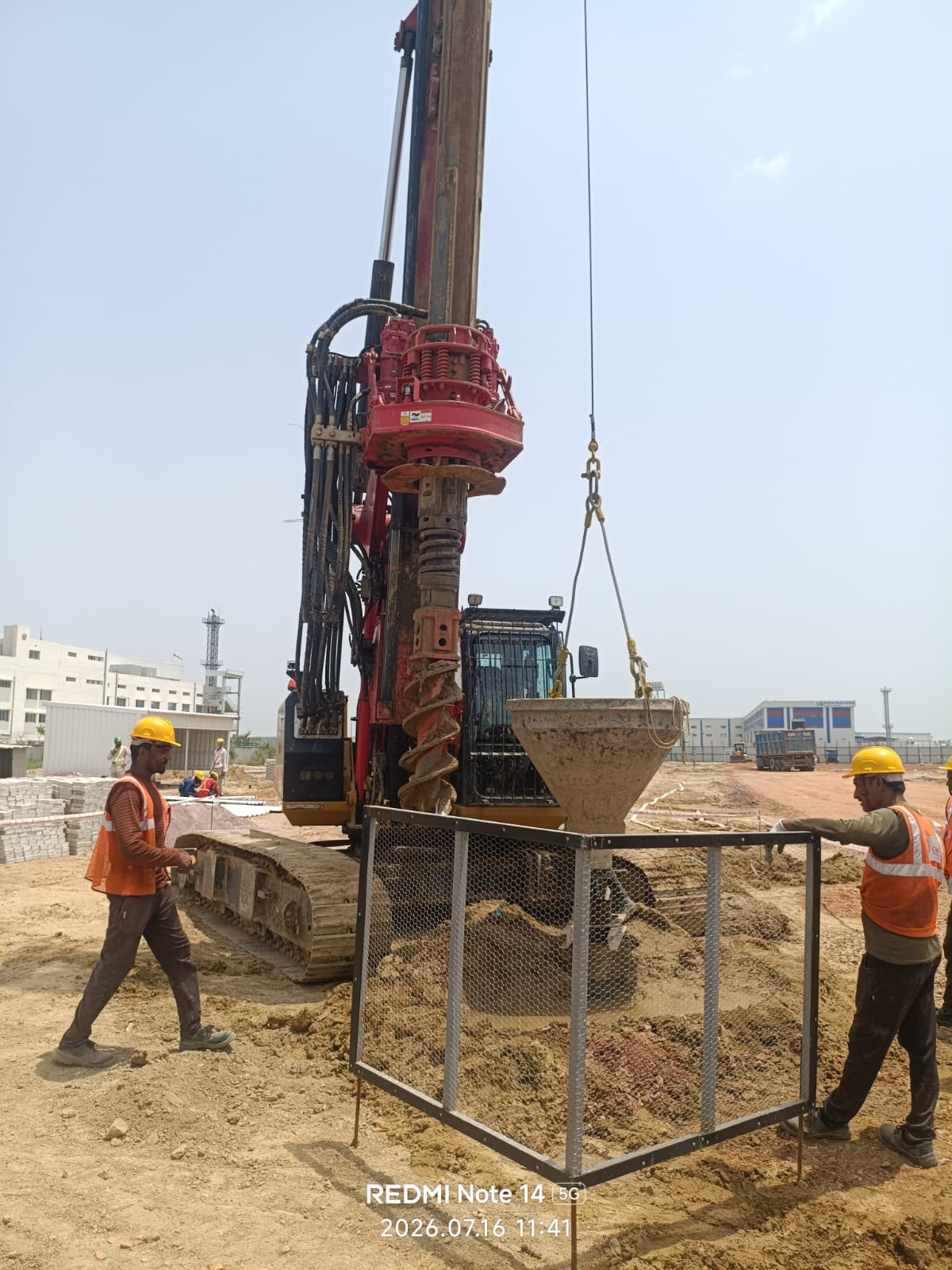
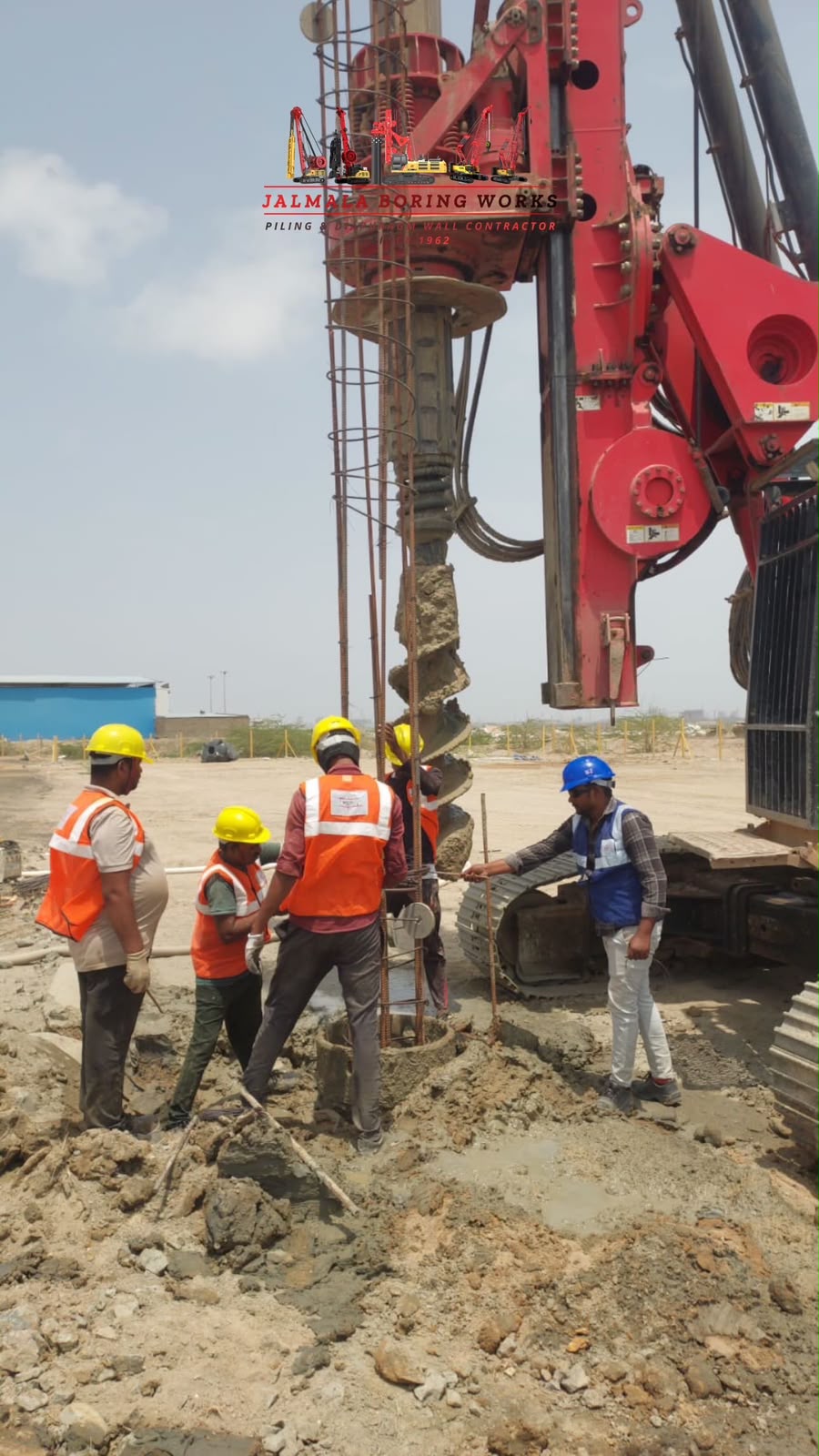
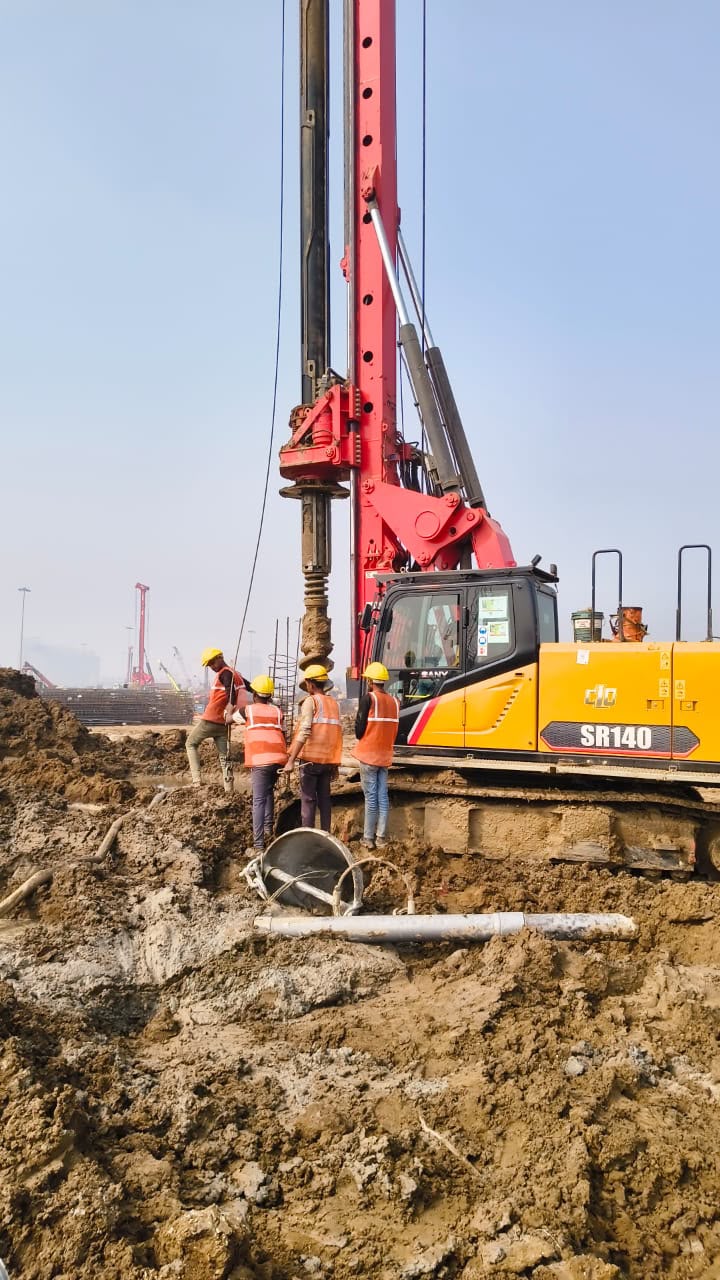
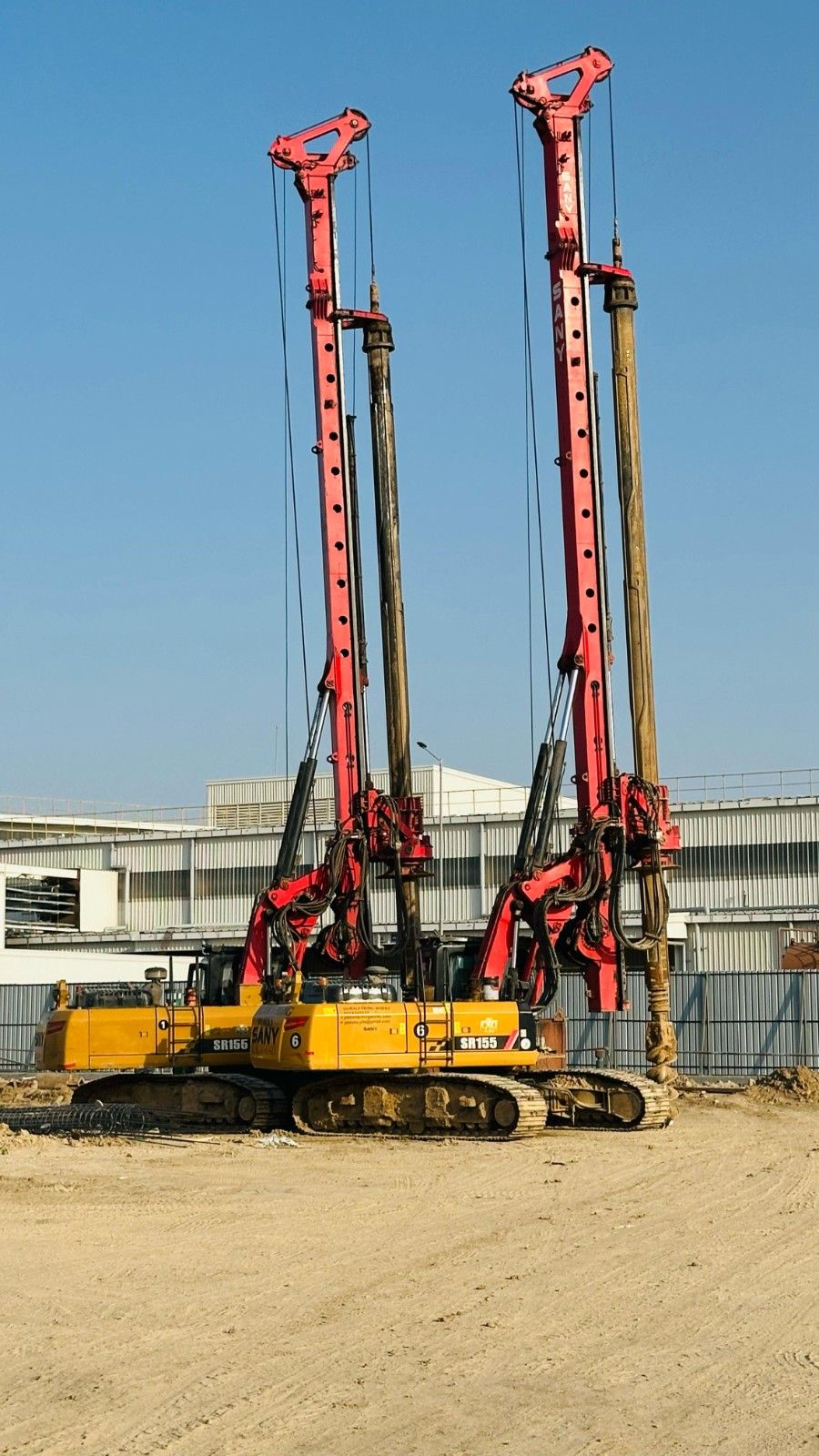
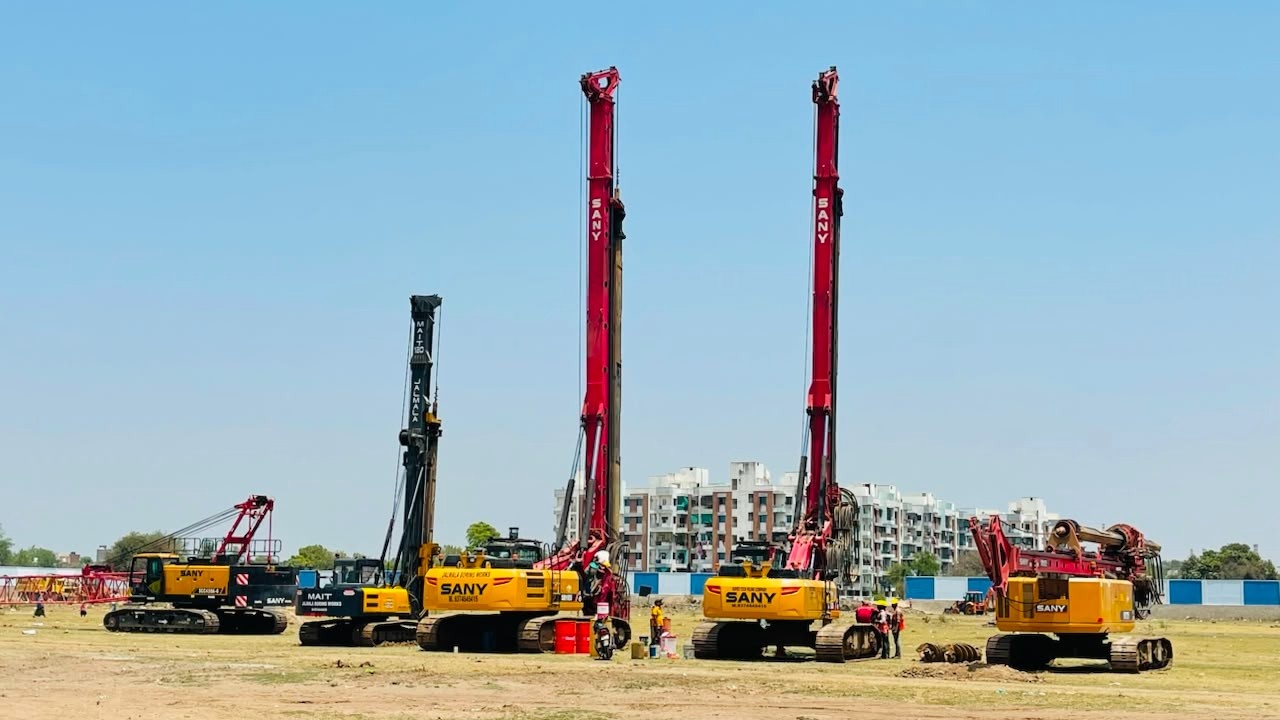
We specialize in bored piling with diameters ranging from 200 mm to 2000 mm and depths up to 50 meters. Using advanced hydraulic rotary rigs, we execute piling operations efficiently across a wide range of soil conditions. Our fleet includes high-performance rotary drilling rigs capable of working in restricted headroom areas while delivering precision, stability, and high productivity.
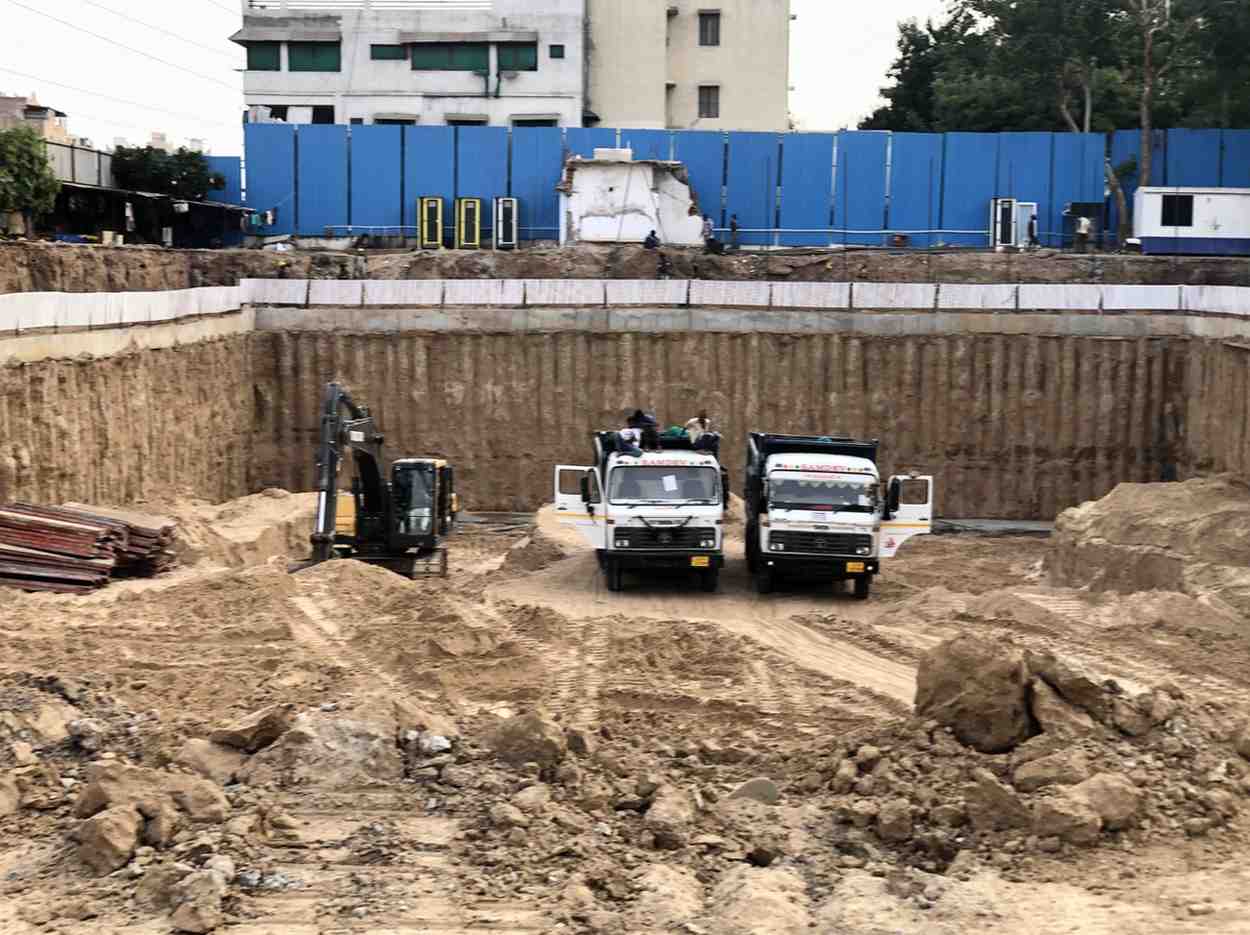
Secant pile walls are constructed by intersecting reinforced concrete piles to form a continuous retaining structure. Primary piles are installed first, followed by reinforced secondary piles after sufficient curing. This technique provides excellent groundwater control and soil retention, making it ideal for deep excavations, basements, and foundation support in challenging ground conditions.
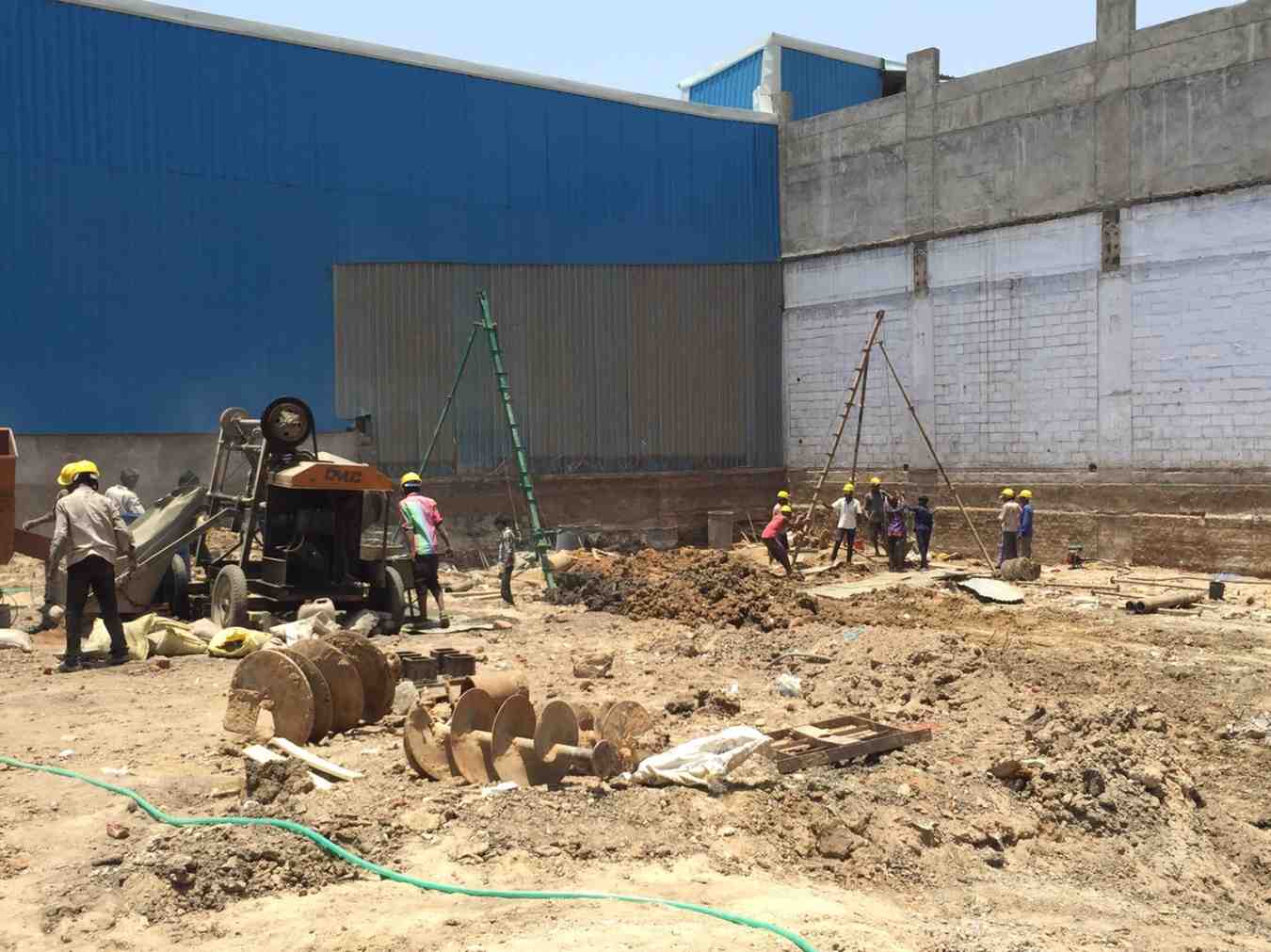
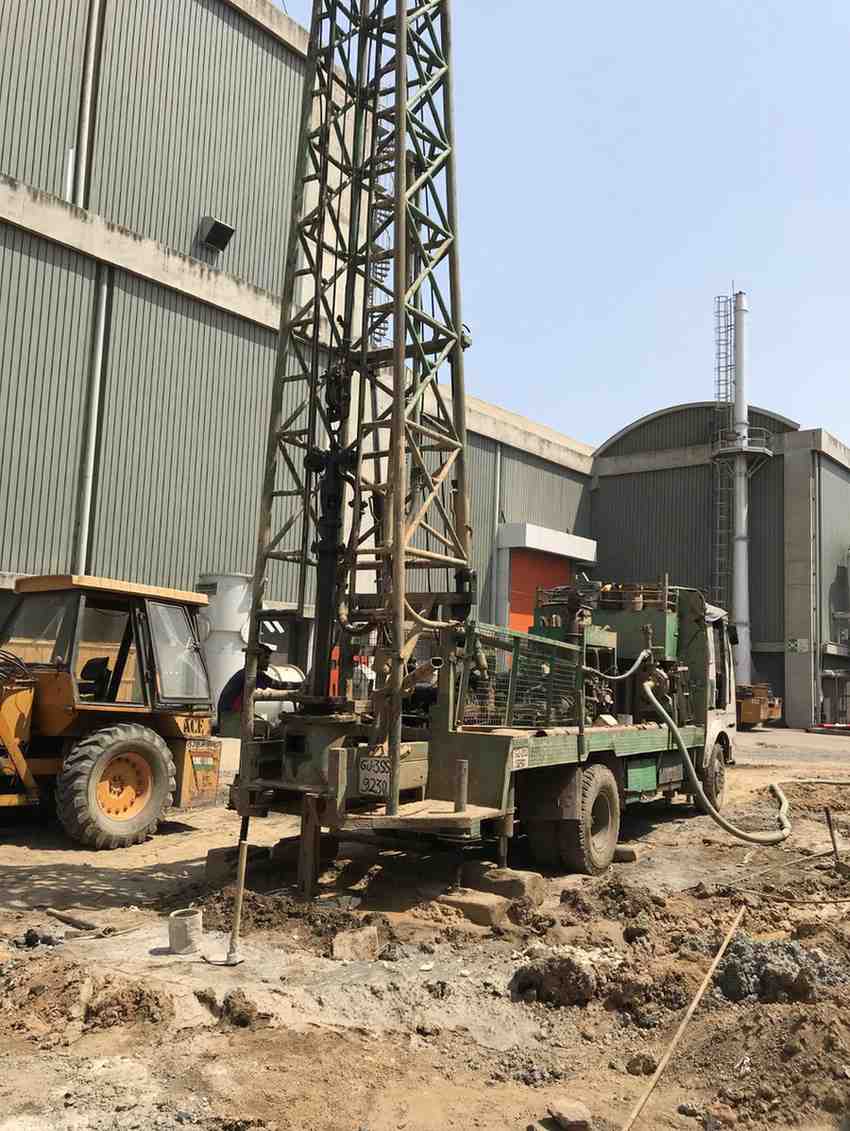
The Manual Auger Method is a reliable piling technique suitable for locations with restricted access or where low noise and vibration are essential. A tripod and manual winch system are used to drill boreholes using a helical auger. This method is commonly employed for pile diameters ranging from 250 mm to 1000 mm and offers an economical solution for smaller foundation projects.
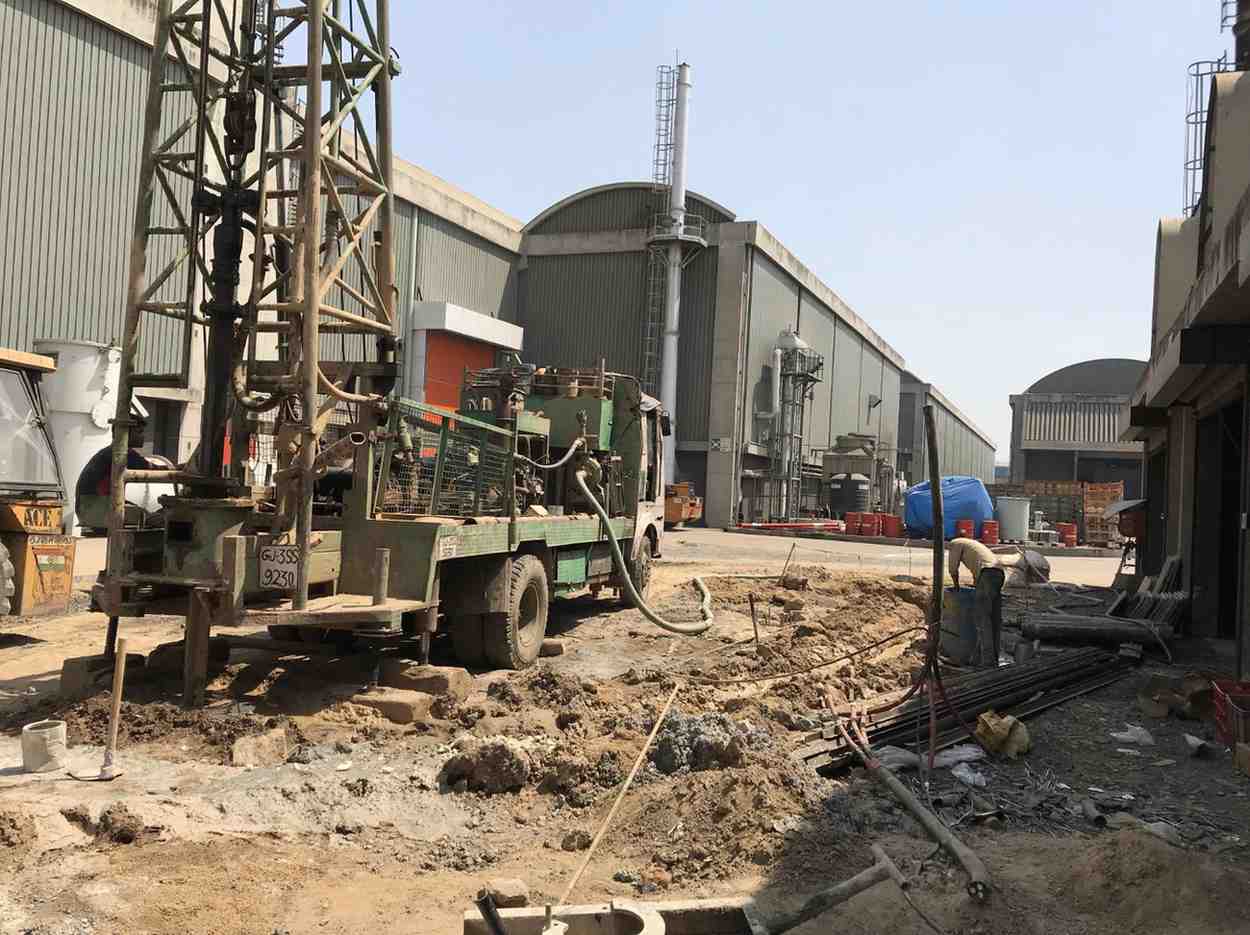
Our Truck Mounted Rotary (TMR) rigs utilize continuous bentonite slurry circulation to stabilize boreholes during drilling. Auger drilling is performed to the required depth while bentonite slurry supports the excavation and carries excavated soil back to a recycling tank. This method ensures bore stability, efficient spoil removal, and high productivity, particularly in loose or soft soil strata.
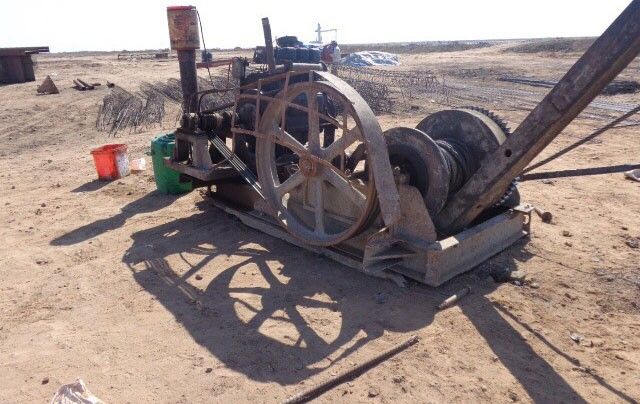
The DMC Pile Method employs Mendola-type rigs combined with bentonite drilling fluid for safe and efficient pile construction. Surface soil is loosened using a bailer before drilling continues with a percussion chisel. Bentonite slurry stabilizes the bore while transporting excavated material to settling pits. Once the desired depth is achieved, the drilling tools are removed and the final depth is verified before reinforcement and concreting.
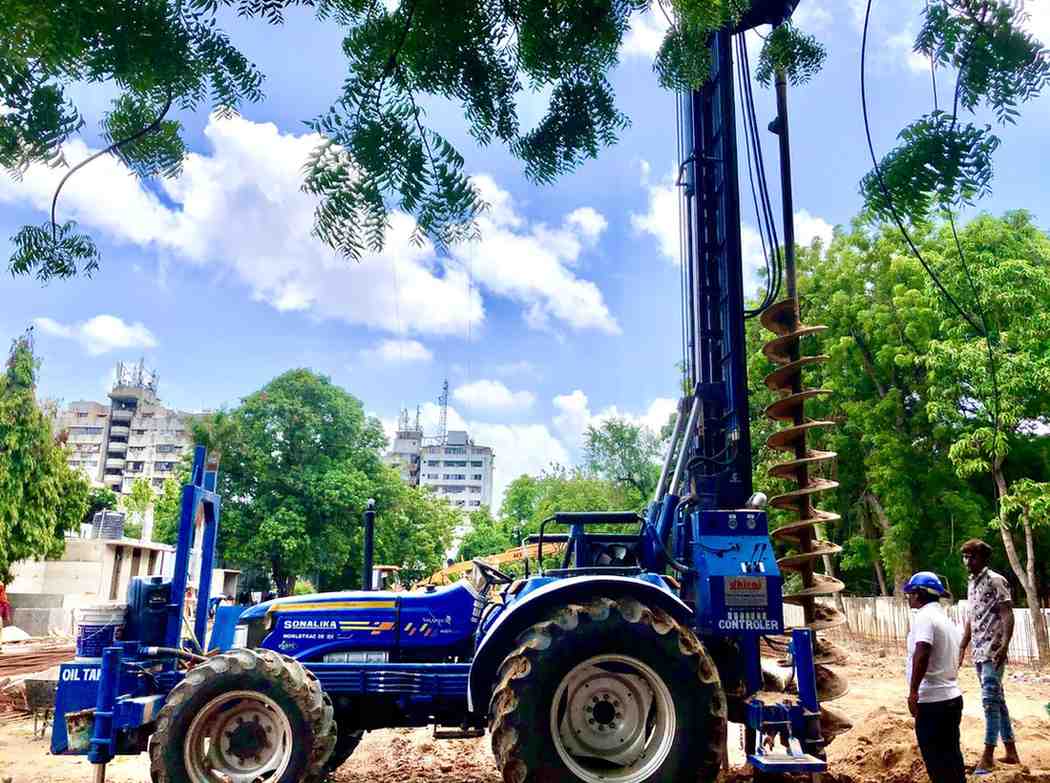
This method utilizes tractor-mounted rotary drilling rigs for fast and economical pile boring. Auger drilling is carried out to the required depth, with DMC rods added progressively to achieve deeper penetration through varying soil strata. It is particularly suitable for medium-depth foundation works and offers drilling capacities of up to 16 meters with excellent operational efficiency.
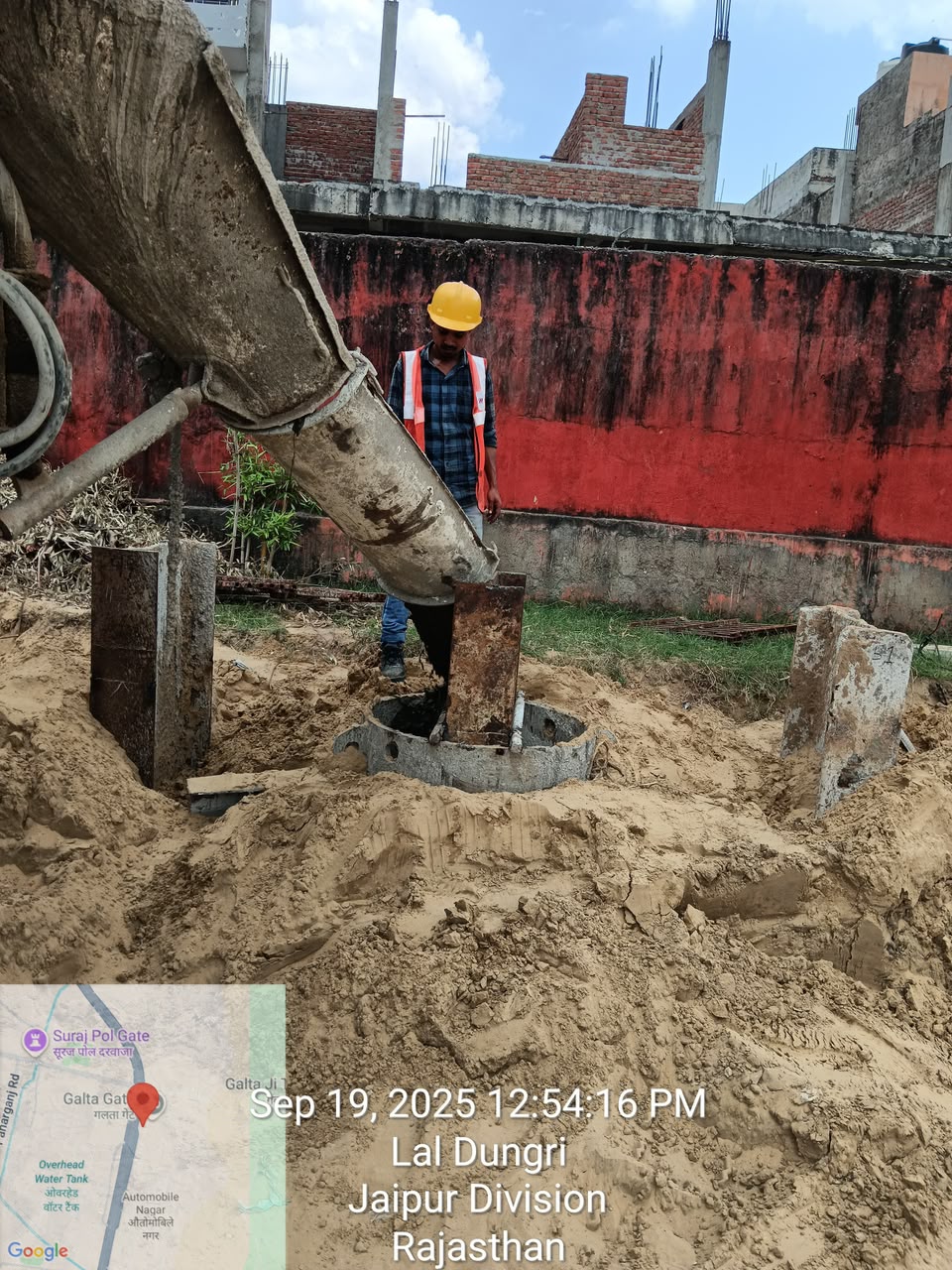
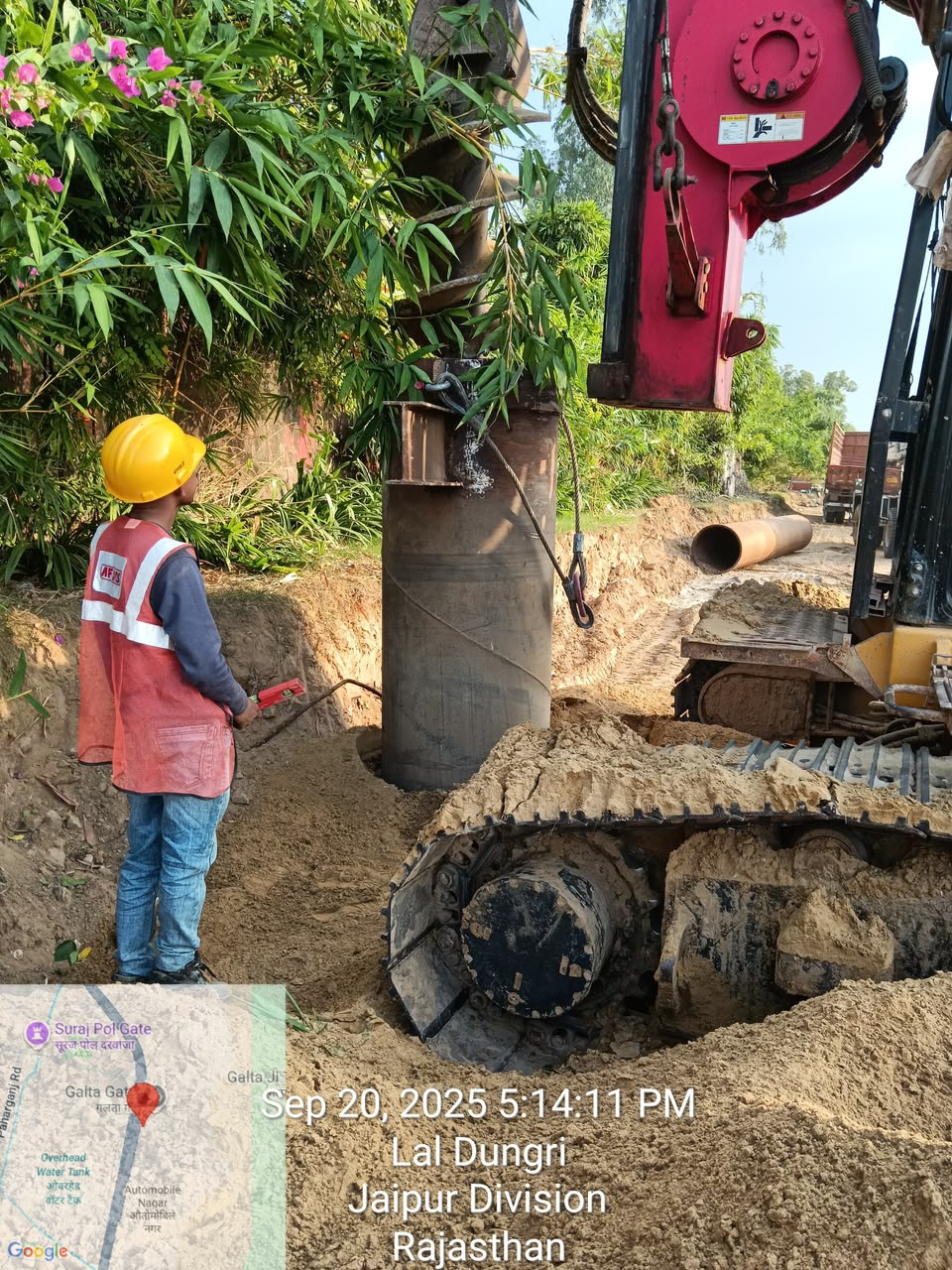
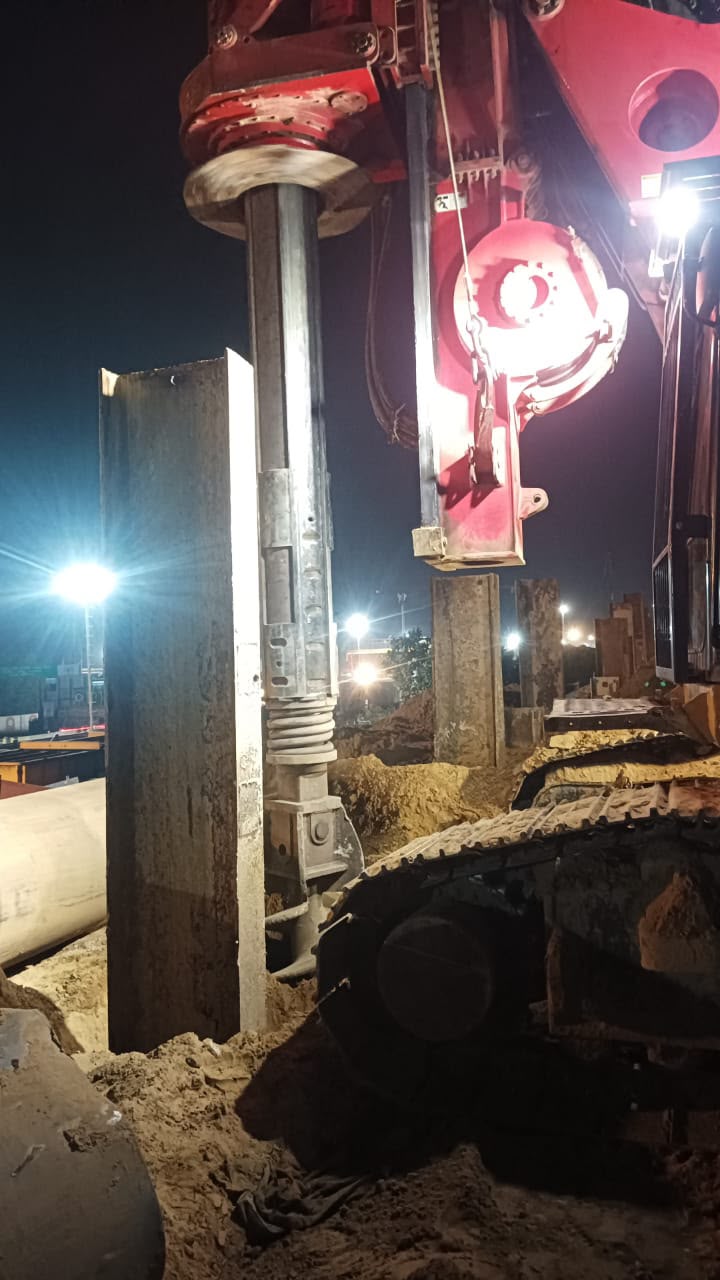
Our Work in Action
Click any image or video to view it in full screen.
Recent Projects
Pile FoundationConstruction Process
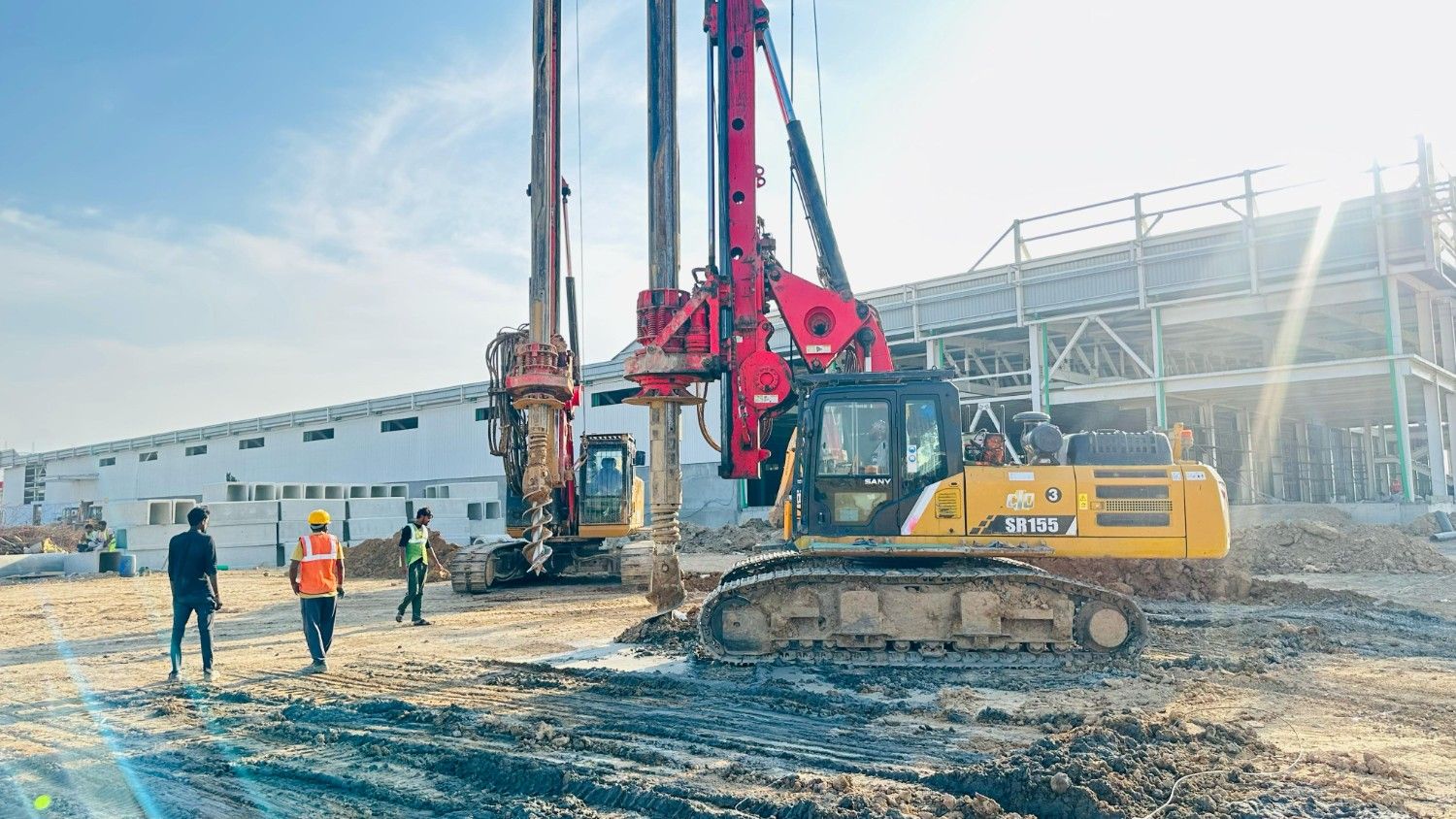
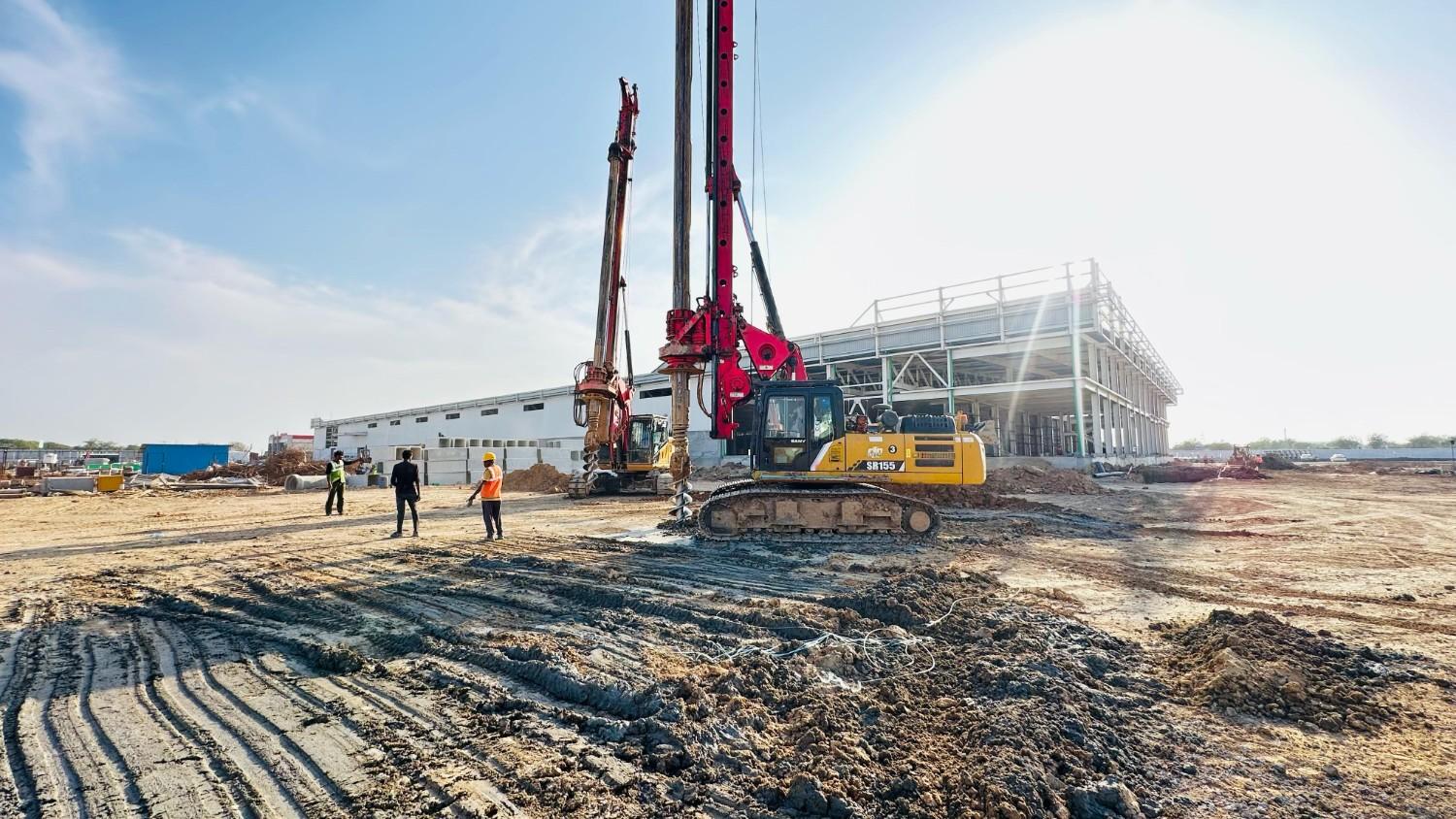
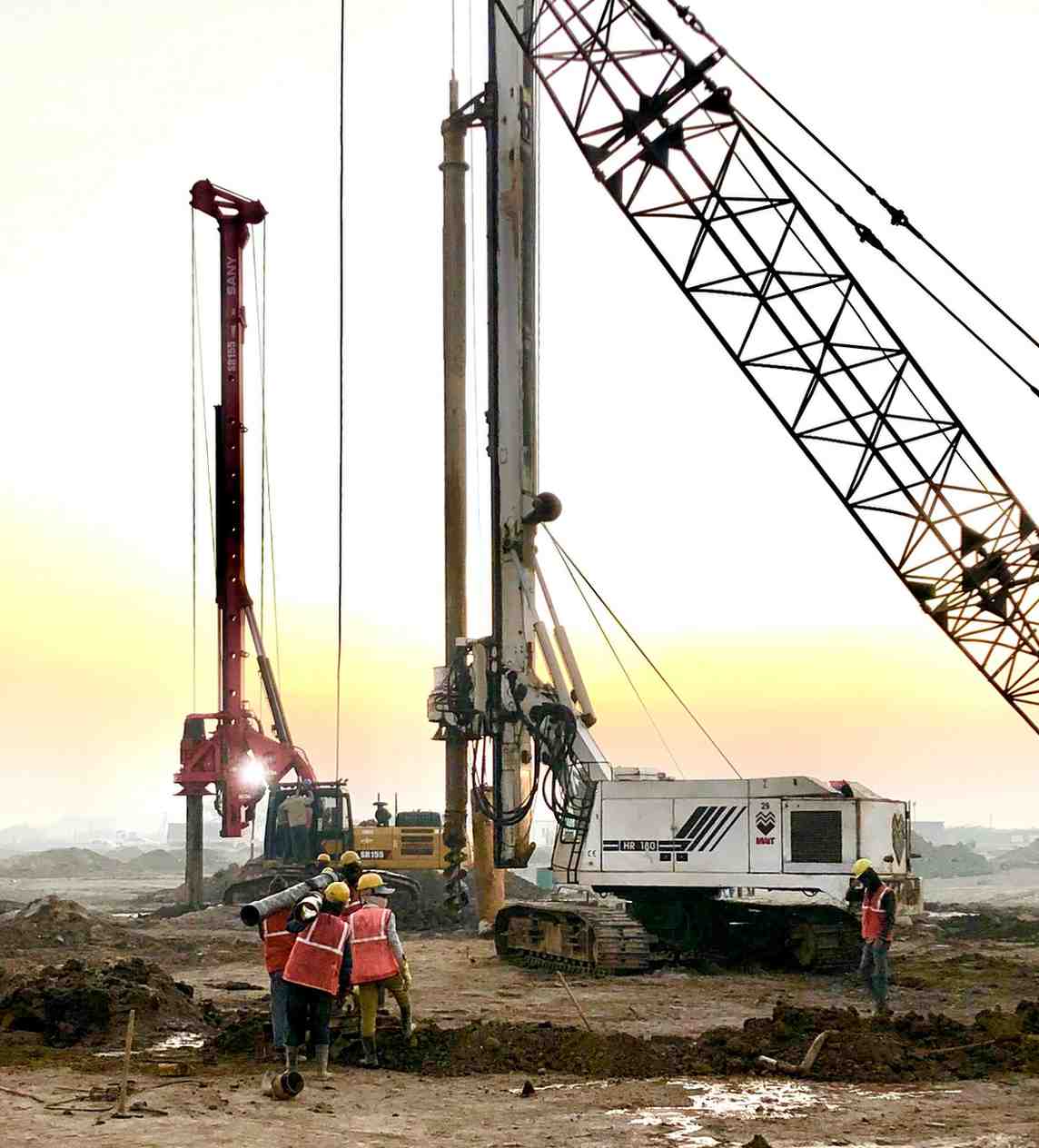
Survey, Setting Out & Guide Casing Installation
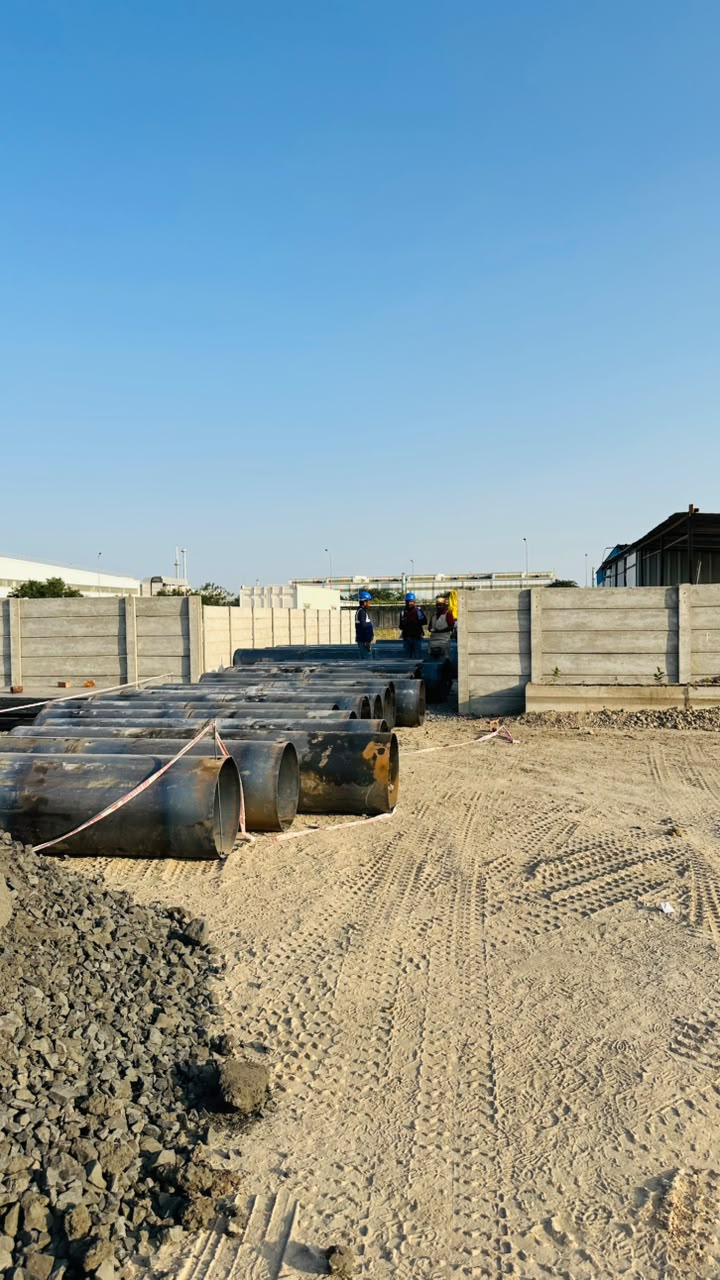
Detailed survey, marking of pile locations, and installation of temporary guide casing.
- Detailed survey and marking of pile locations
- Verification of pile coordinates and levels
- Positioning of Hydraulic Rotary Piling Rig
- Installation of temporary guide casing
- Ensures accurate pile alignment and protects bore opening
Pile Boring & Excavation
Drilling of pile bore using Hydraulic Rotary Rig to required depth.
- Drilling of pile bore using Hydraulic Rotary Rig
- Excavation carried out to the required depth and founding strata
- Suitable drilling tools used for soil, rock, or hard strata
- Continuous monitoring of depth, verticality, and pile diameter
- Removal and disposal of excavated soil from site
Slurry Support & Borehole Cleaning
Preparation and circulation of Bentonite/Polymer Slurry and borehole cleaning.
- Preparation and circulation of Bentonite/Polymer Slurry
- Stabilization of borehole walls during drilling
- Recycling of slurry through slurry plant
- Cleaning of borehole bottom to remove loose sediments
- Final inspection of bore depth and cleanliness
Reinforcement Cage Installation
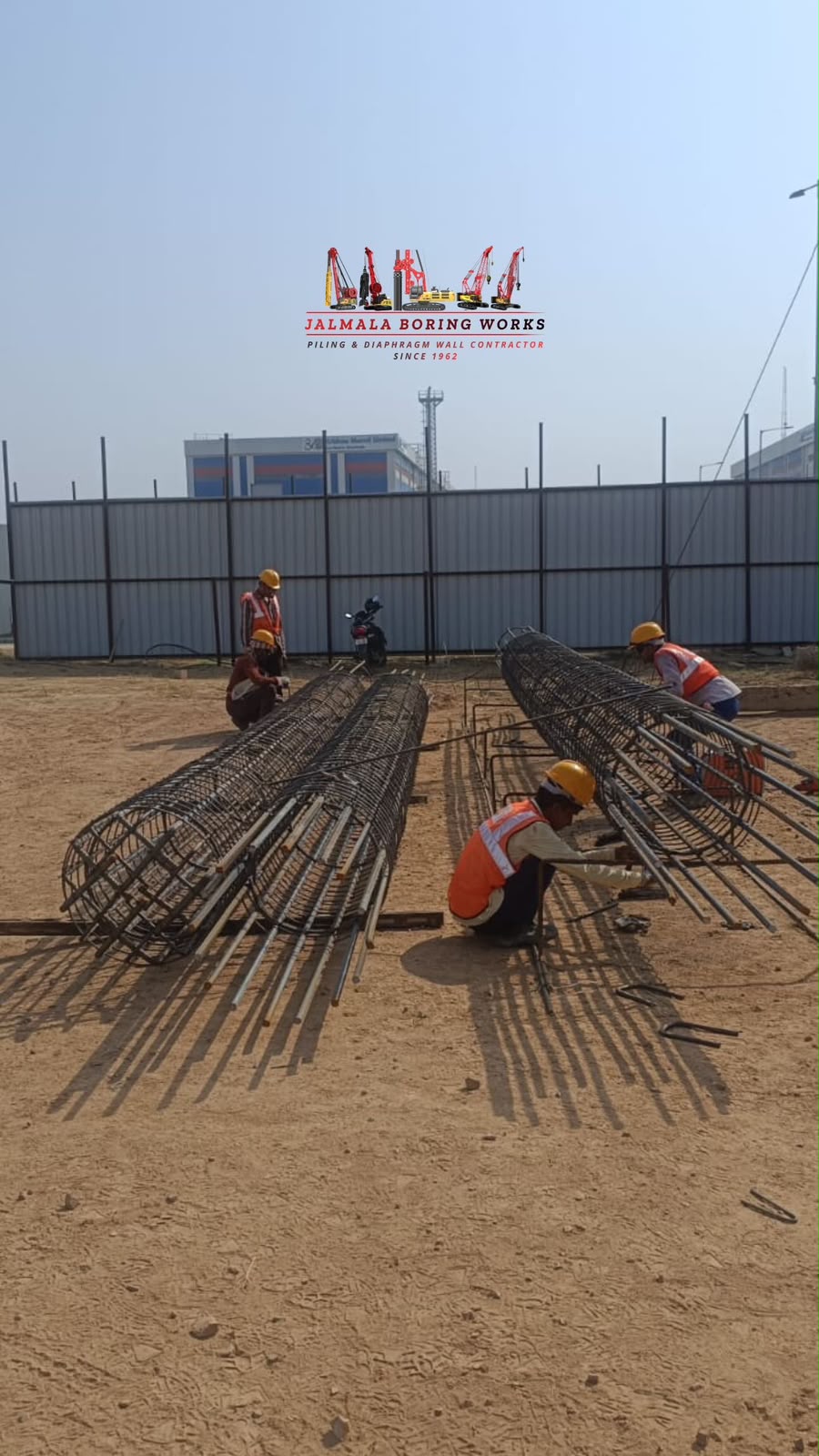
Fabrication and lowering of reinforcement cage into the bore.
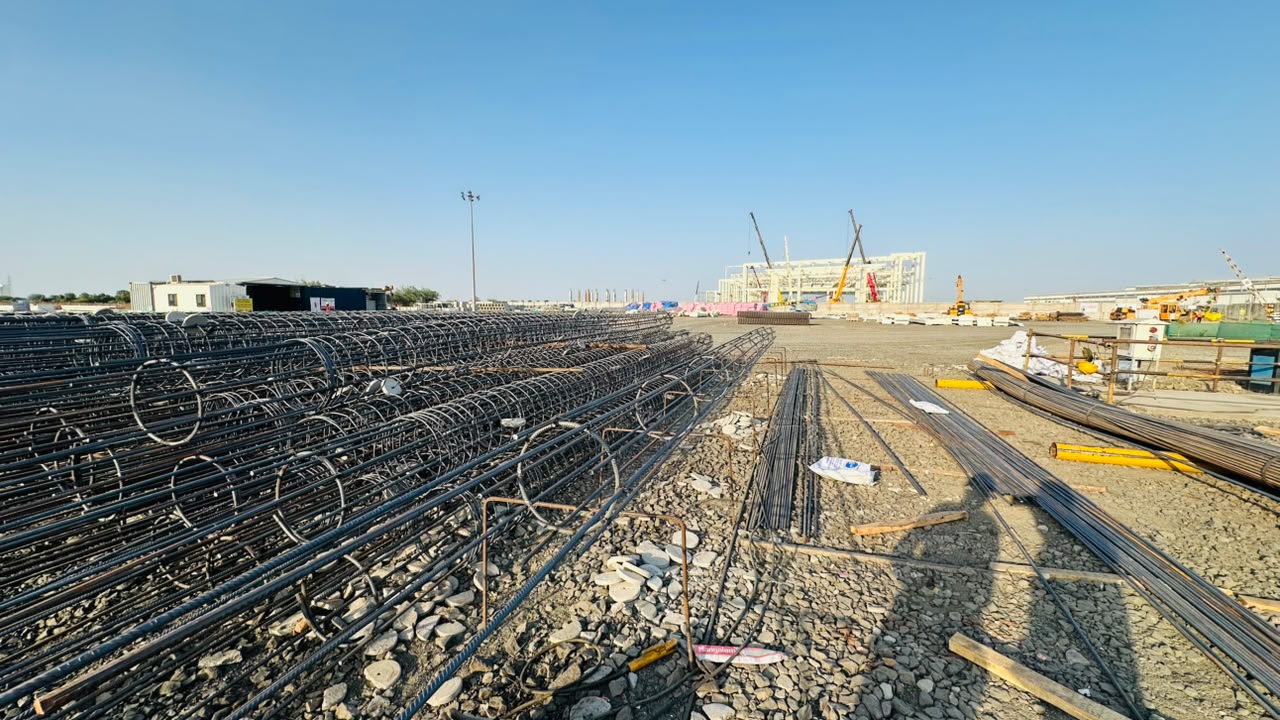
- Fabrication of reinforcement cage as per approved drawings
- Installation of spacers, couplers, lifting points, and cover blocks
- Lowering of reinforcement cage into the completed bore
- Accurate positioning and level adjustment
- Quality inspection before concrete placement
Tremie Concreting
Continuous concrete placement using tremie pipes.
- Installation of tremie pipes up to borehole bottom
- Continuous placement of concrete from bottom to top
- Prevention of concrete segregation through tremie method
- Displacement and recovery of slurry during concreting
- Completion of pile concreting in one uninterrupted operation
Pile Completion & Quality Control
Final pile completion, head trimming, and quality assurance.
- Extraction of temporary casing during or after concreting
- Recording of concrete consumption and pile parameters
- Pile head chipping up to cut-off level
- Verification of pile depth, diameter, and concrete quality
- Completion of testing, documentation, and quality assurance
- Ready for pile cap and foundation construction
Pile Foundation Contractor Vapi – Textile & Dyeing Industry Specialists
Vapi GIDC hosts 400+ textile processing units — dyeing, printing, and fabric processing operations that make Vapi one of India's largest textile clusters. Textile plant piling is not the same as chemical plant piling. Chemical plants need sulfate-resistant concrete for acid/sulfate attack. Textile plants need vibration-controlled foundations for heavy machinery, ASR-resistant concrete for alkaline dye effluent, and large shed structures that support equipment distributed across 200-500 sqm. If you are looking for a pile foundation contractor in Vapi who understands textile-specific requirements, this page is for you. Jalmala Boring Works brings 60+ years of deep foundation expertise to every textile plant piling project in Vapi we take on.
Textile Piling vs Chemical Piling – Four Key Differences
Vapi's textile industry has four requirements that differ from chemical plant piling. Building typology — textile plants are large sheds (200-500 sqm) with equipment spread across the floor, unlike chemical plants with compact process units. Pile layouts must span long spans with uniform support. Machinery vibration — stenters, jet dyeing machines, rotary printing machines, and continuous dyeing ranges create significant dynamic loads and vibration. Foundations must be designed for both static and dynamic loading, often with isolation detailing. Effluent chemistry — textile effluent is alkaline (pH 9-11) with high TDS (2,000-6,000 mg/L) and dye compounds, unlike chemical plant effluent (acidic, high sulfates, high chlorides). This requires ASR-resistant concrete rather than sulfate-resisting cement. Age of units — many Vapi textile units are 30-40 years old and need retrofit piling for new equipment. Our textile industry piling in Vapi is calibrated to these four characteristics.
Textile Machinery Foundations – Stenter, Jet Dyeing, Rotary Printing
Textile machinery requires specialized pile foundations. Stenter machines — continuous fabric drying/heat-setting equipment spanning 30-60 meters — require uniform pile support along the full length (400-600 mm piles at 3-5 meter spacing) with isolated pile caps and vibration isolation pads. Jet dyeing machines — high-pressure fabric dyeing units — require pile foundations for both static load and the dynamic loading from the rapid pressure cycles, typically 400-500 mm piles with localized reinforcement at load points. Rotary printing machines — high-precision pattern printing equipment — require foundation designs that control vibration transmission to protect print precision (vibration tolerance typically 50-100 microns). Continuous dyeing ranges — long continuous-line processing equipment — require similar uniform-support foundations to stenters. Our textile machinery foundation design in Vapi starts with the machine supplier's vibration specifications and works backward to the pile design.
Alkaline Dye Effluent – Different Concrete Chemistry
Textile dyeing effluent is fundamentally different from chemical plant effluent. It is alkaline (pH 9-11), with high TDS (2,000-6,000 mg/L) from salts used in dyeing, high COD, and dye compounds. This creates two piling considerations. First, alkali-silica reaction (ASR) — high pH attacks reactive silica in aggregates, expanding and cracking concrete over time. Mitigation: non-reactive aggregates tested per IS 2386, Portland slag cement or PPC to reduce ASR risk, enhanced cover (75 mm minimum). Second, high TDS attack — dissolved salts penetrate concrete and crystallize, causing physical deterioration. Mitigation: low-permeability concrete (M35+), enhanced cover, and where highly concentrated, supplementary protection. Our textile effluent piling specifications handle both mechanisms.
Textile Plant Retrofit – 30-40 Year Old Unit Foundation Repair
Many of Vapi's textile units date from the 1980s and are now facing foundation issues. Common problems: pile corrosion from decades of alkaline effluent exposure; cracked pile caps from original under-design or equipment load increases; settlement from adjacent construction or groundwater changes; and inadequate capacity for new equipment installed after initial construction. Our textile plant retrofit piling in Vapi covers pile jacketing, pile extension, additional piles, and underpinning — executed during weekend shutdowns or short production windows to minimize disruption.
Serving Vapi, Sarigam, Valsad & Umbergaon Textile Clusters
We serve the entire South Gujarat textile cluster — including textile plant piling in Vapi GIDC, Sarigam GIDC, Valsad, Umbergaon, and the Daman border belt. Each area has different segment concentration (Vapi = dyeing + printing, Sarigam = processing, Umbergaon = smaller units), but the piling requirements are broadly similar. Site visit commitment: 24-48 hours. Rig mobilization: 10-15 working days from contract award. For retrofit work in operating plants, we plan around your production schedule with weekend shutdowns and phased execution. Whether your project is a new stenter foundation in Vapi, a jet dyeing machine installation in Sarigam, a plant expansion in Valsad, or a retrofit in an aging Umbergaon unit, our textile piling team is ready.
Contact Our Vapi Textile Piling Team Today
Ready to discuss textile plant piling in Vapi for your dyeing, printing, or processing facility? Call our team at +91 93745 45415 or email jalmala.pile@gmail.com. Mention "textile" or "dyeing" in your inquiry for priority response. Share your machine specifications, plant layout, and any existing soil report — our team responds within 2 business days with an initial technical review. Main office is at Dholka Road, near Nariampura Village, Narimanpura, Sarkhej, Ahmedabad, Gujarat 382210. For broader Vapi coverage (chemical estate, coastal, CPCB, cross-border), see our pile foundation services in Vapi page.