
Pile Foundation
Bored Cast-in-Situ Piling Specialists
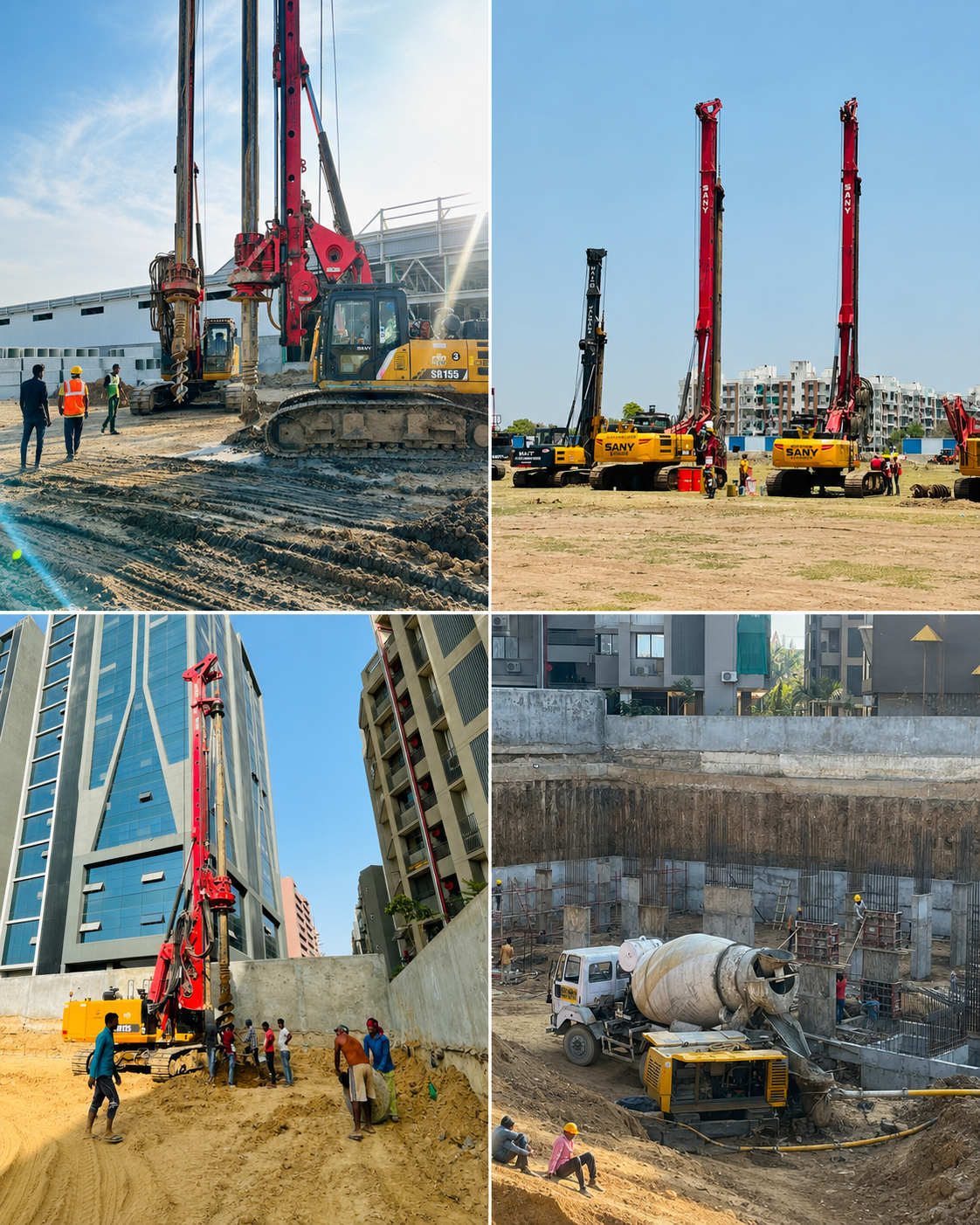
Jalmala Boring Works provides Pile Foundation and Deep Foundation Solutions using Bored Cast-in-Situ Piles for residential, commercial, industrial, and infrastructure projects. With advanced Hydraulic Rotary Rigs, we construct piles from 300 mm to 1800 mm diameter and depths of up to 50 metres, delivering reliable load-bearing capacity across soft soil, hard rock, and high groundwater conditions.
Our Piling Methods
We deploy six proven techniques — selected based on soil profile, site constraints, and project requirements.
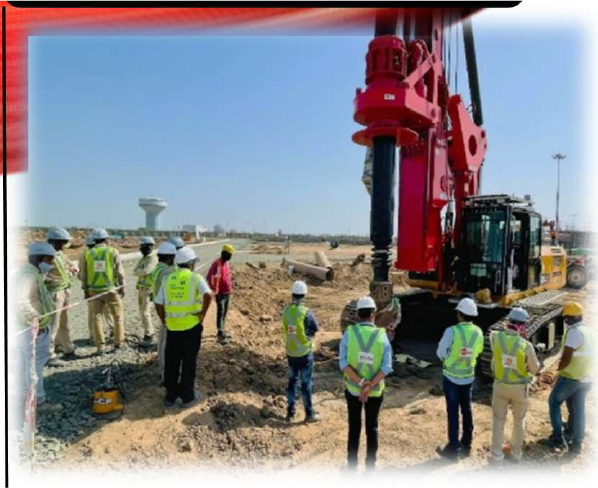
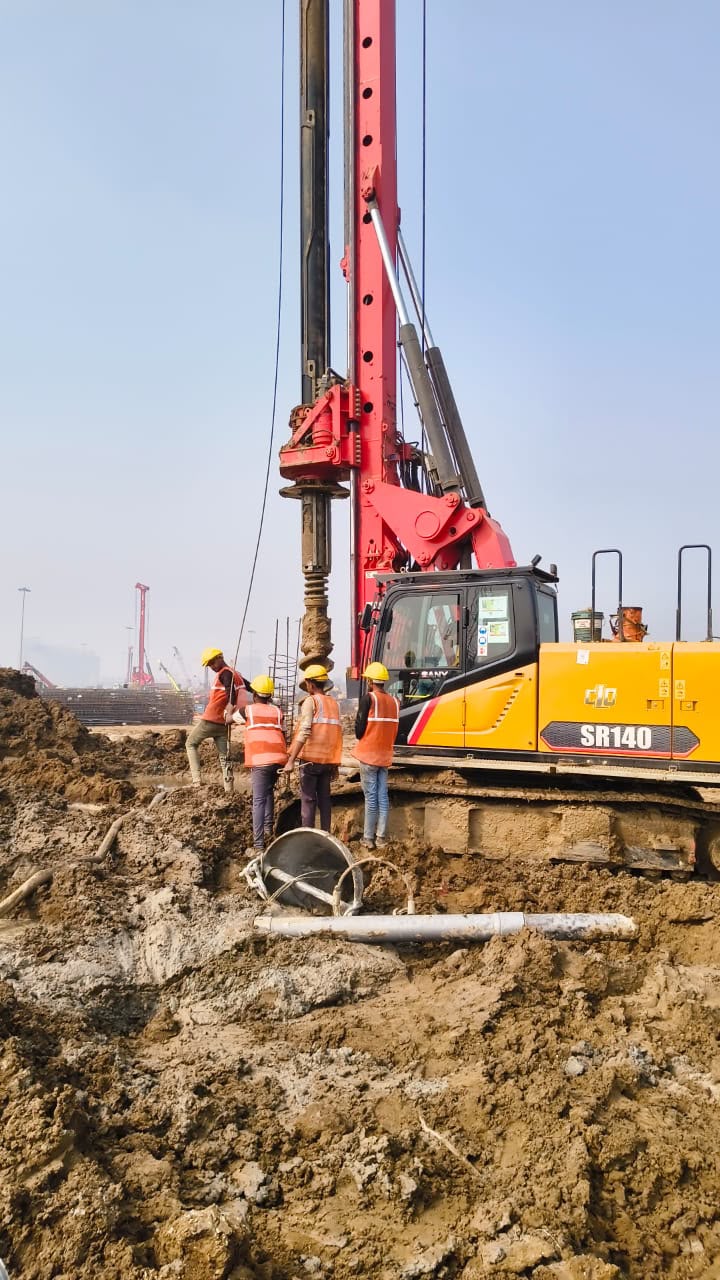
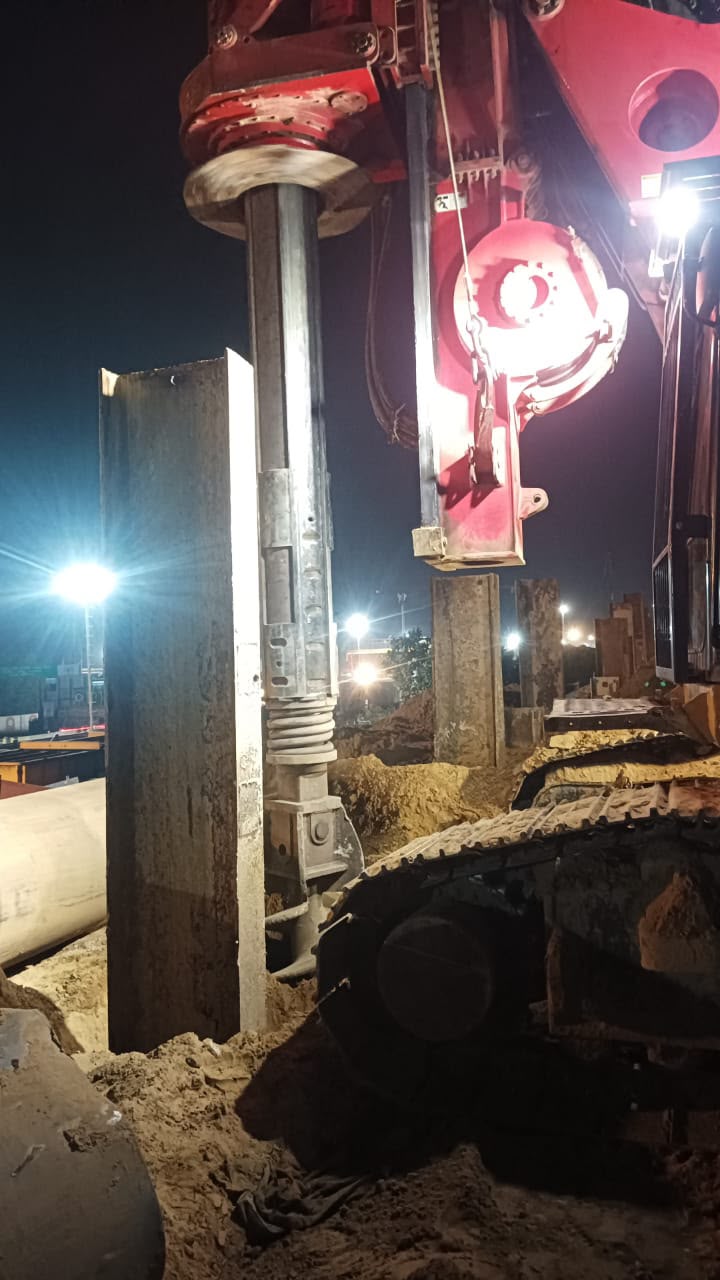
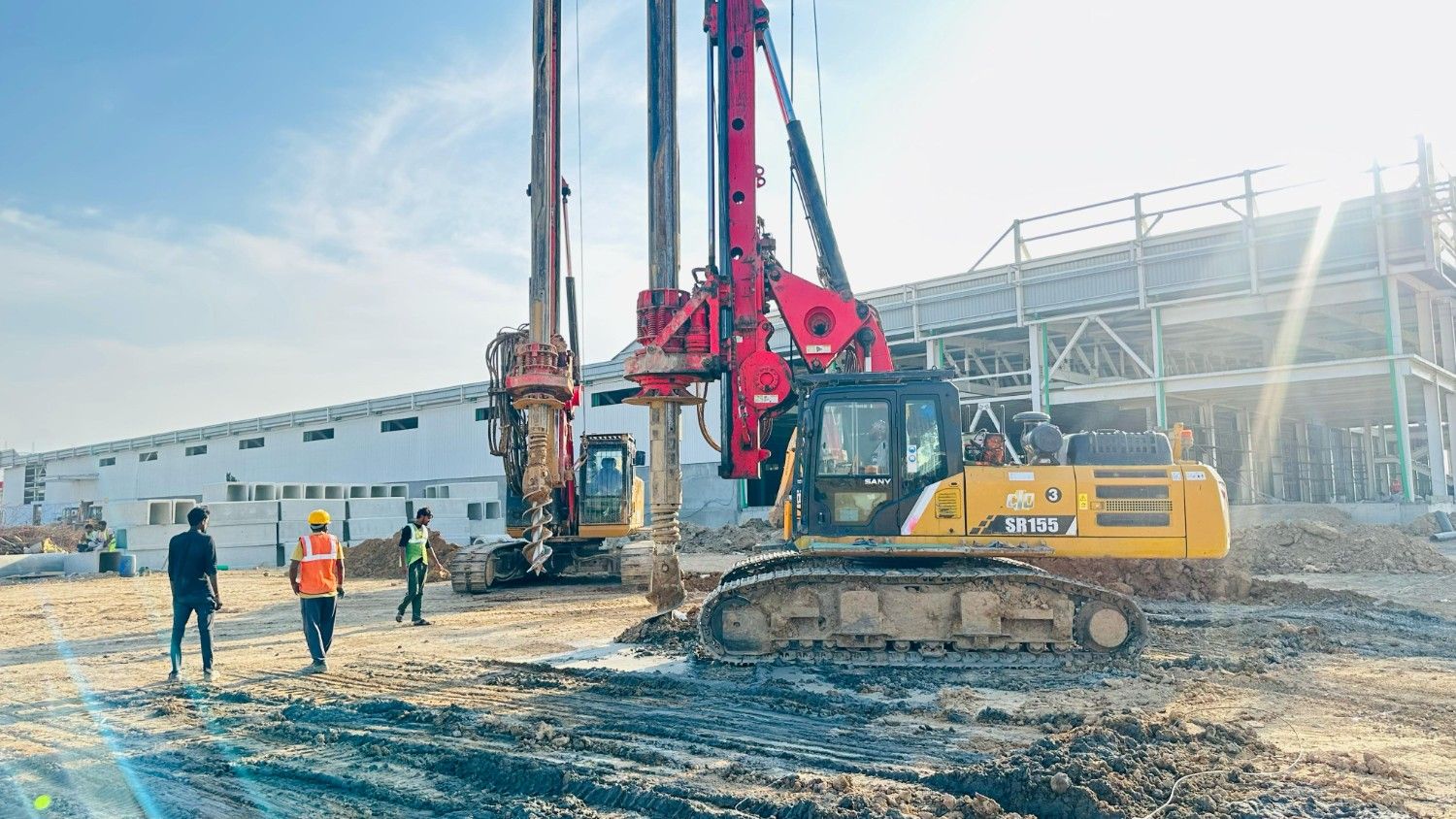
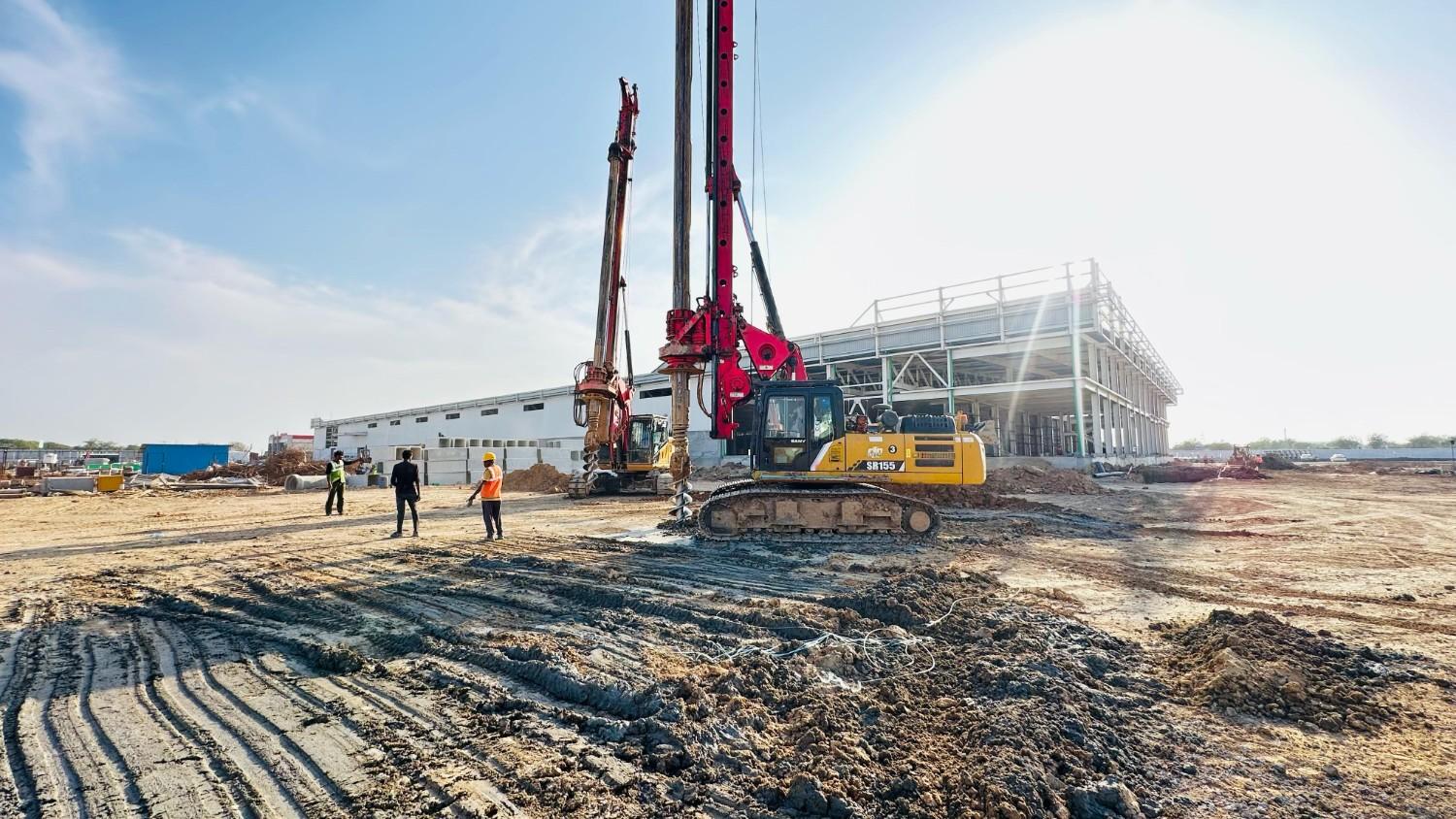
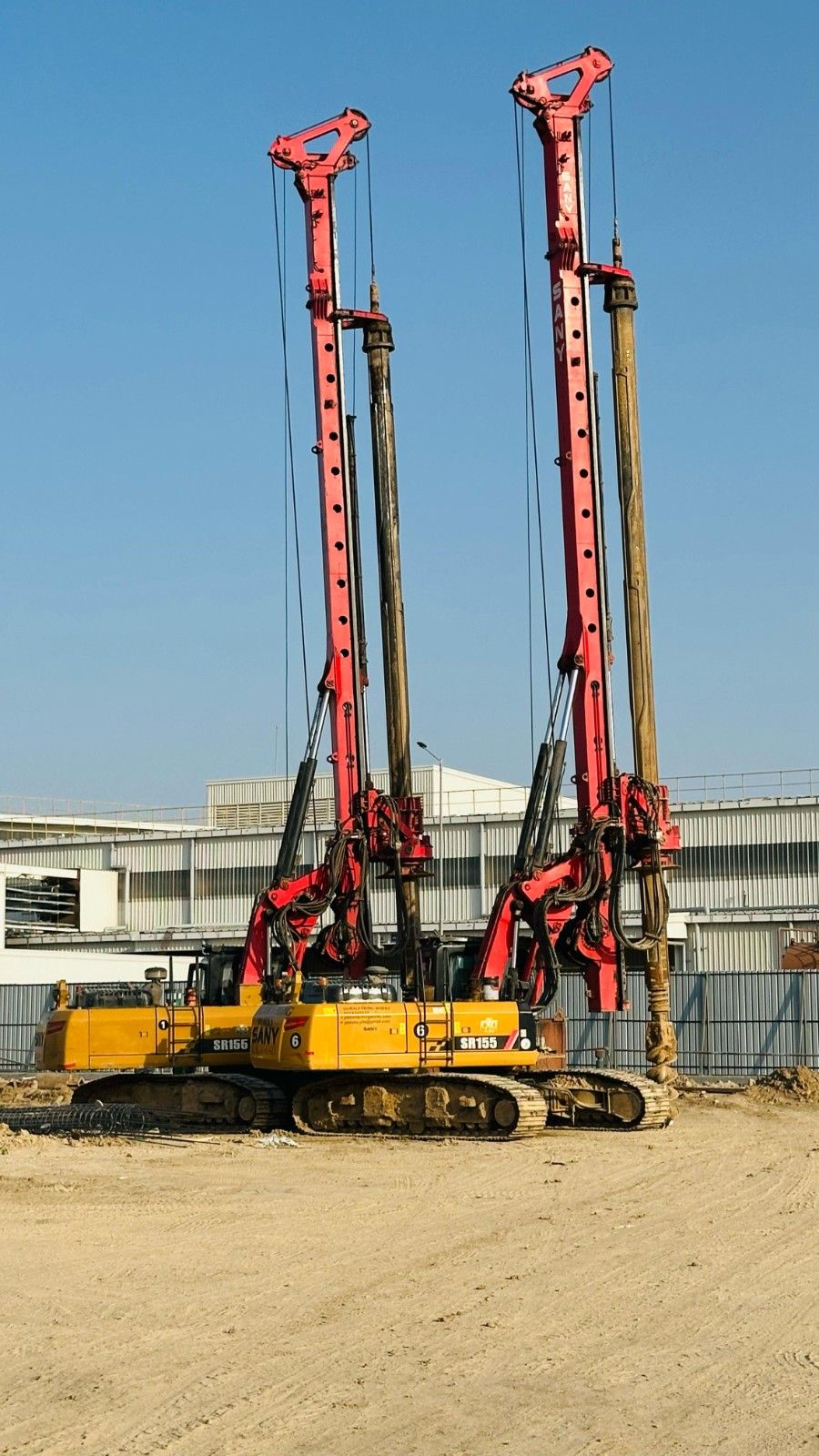
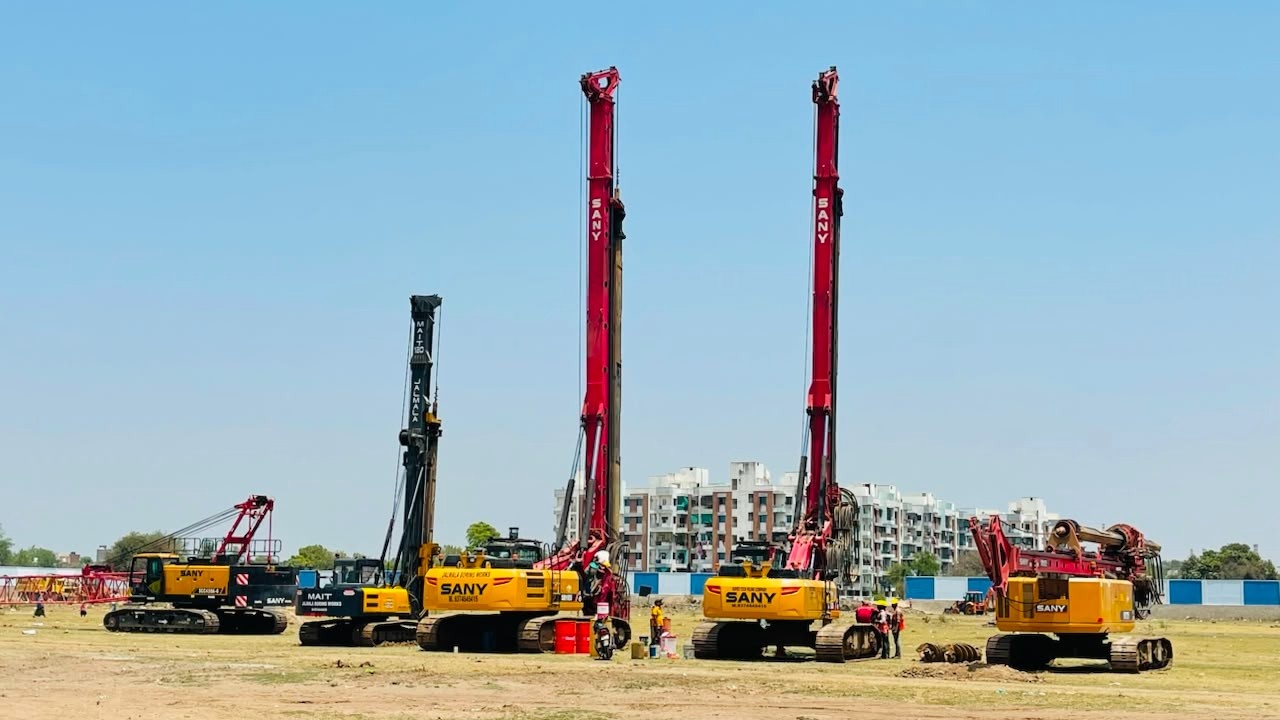
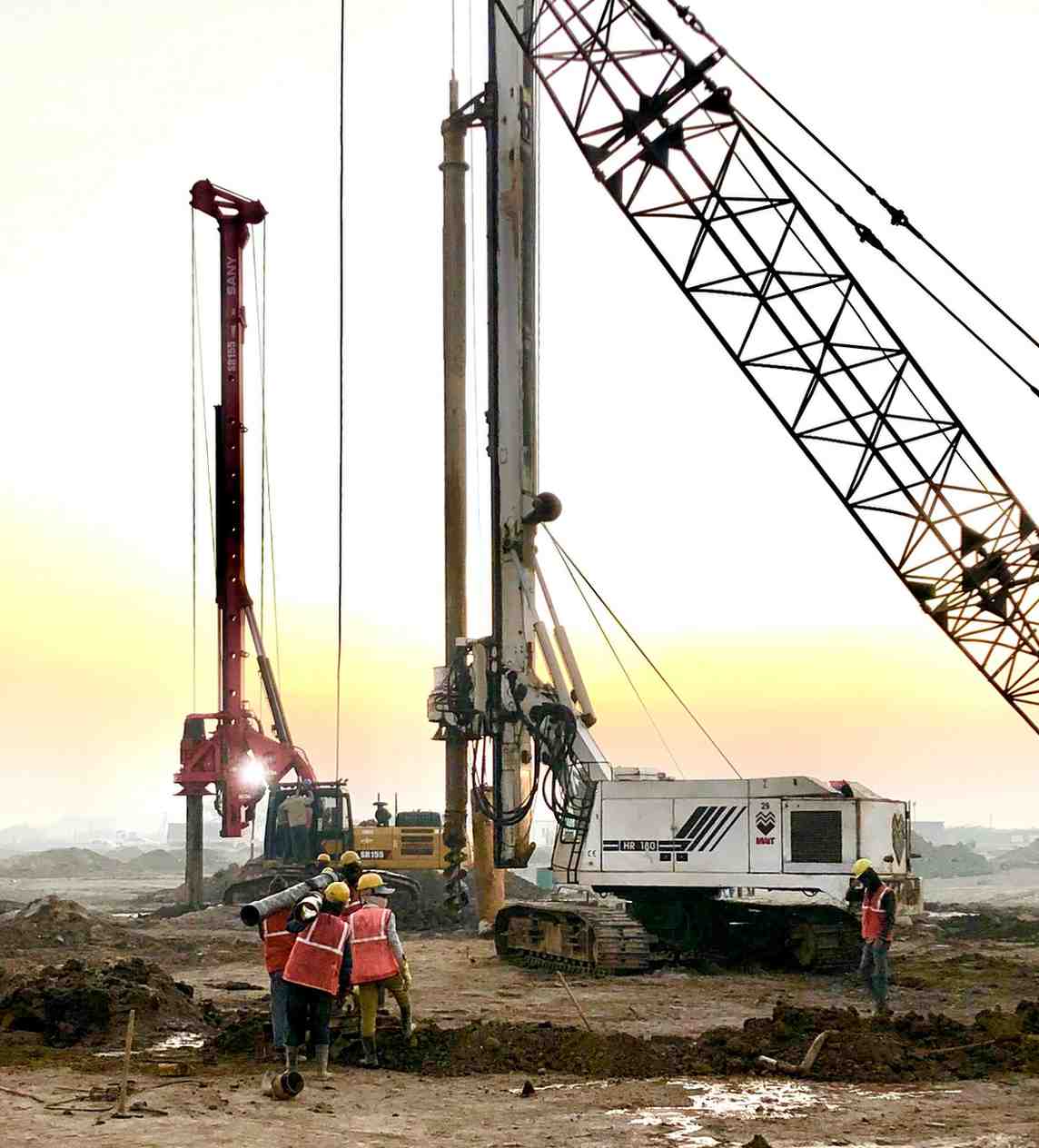
We specialize in bored piling with diameters ranging from 200 mm to 2000 mm and depths up to 50 meters. Using advanced hydraulic rotary rigs, we execute piling operations efficiently across a wide range of soil conditions. Our fleet includes high-performance rotary drilling rigs capable of working in restricted headroom areas while delivering precision, stability, and high productivity.
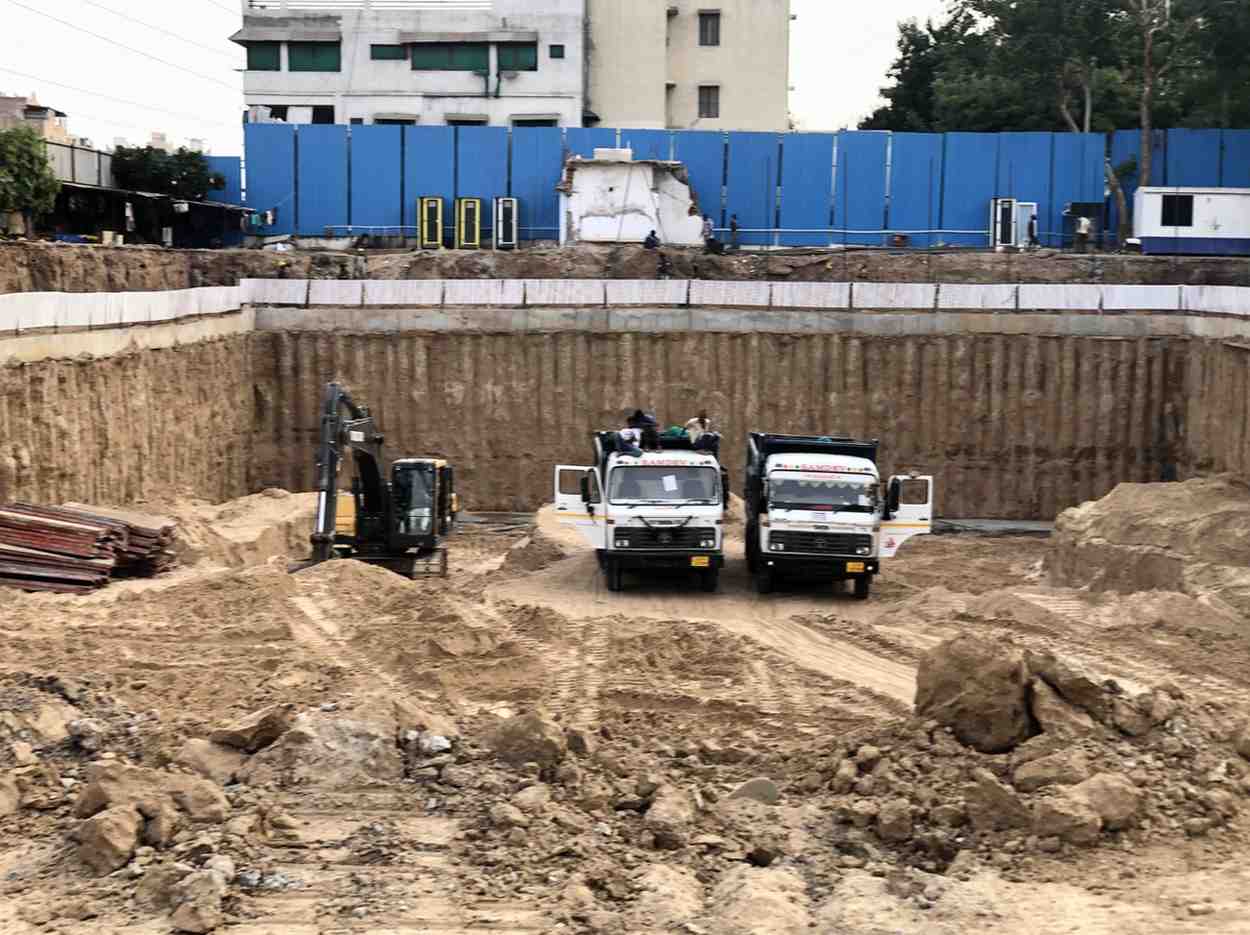
Secant pile walls are constructed by intersecting reinforced concrete piles to form a continuous retaining structure. Primary piles are installed first, followed by reinforced secondary piles after sufficient curing. This technique provides excellent groundwater control and soil retention, making it ideal for deep excavations, basements, and foundation support in challenging ground conditions.
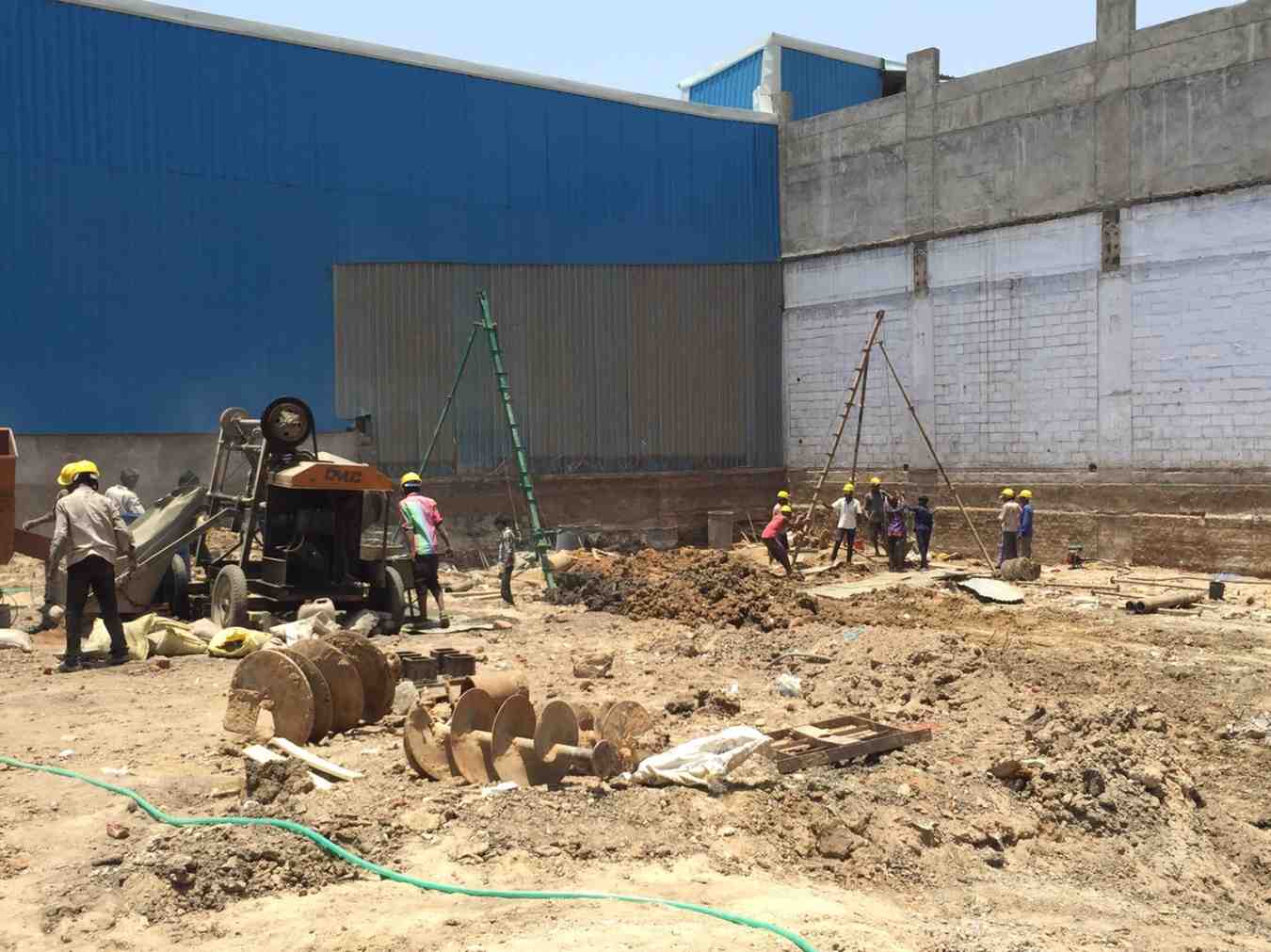
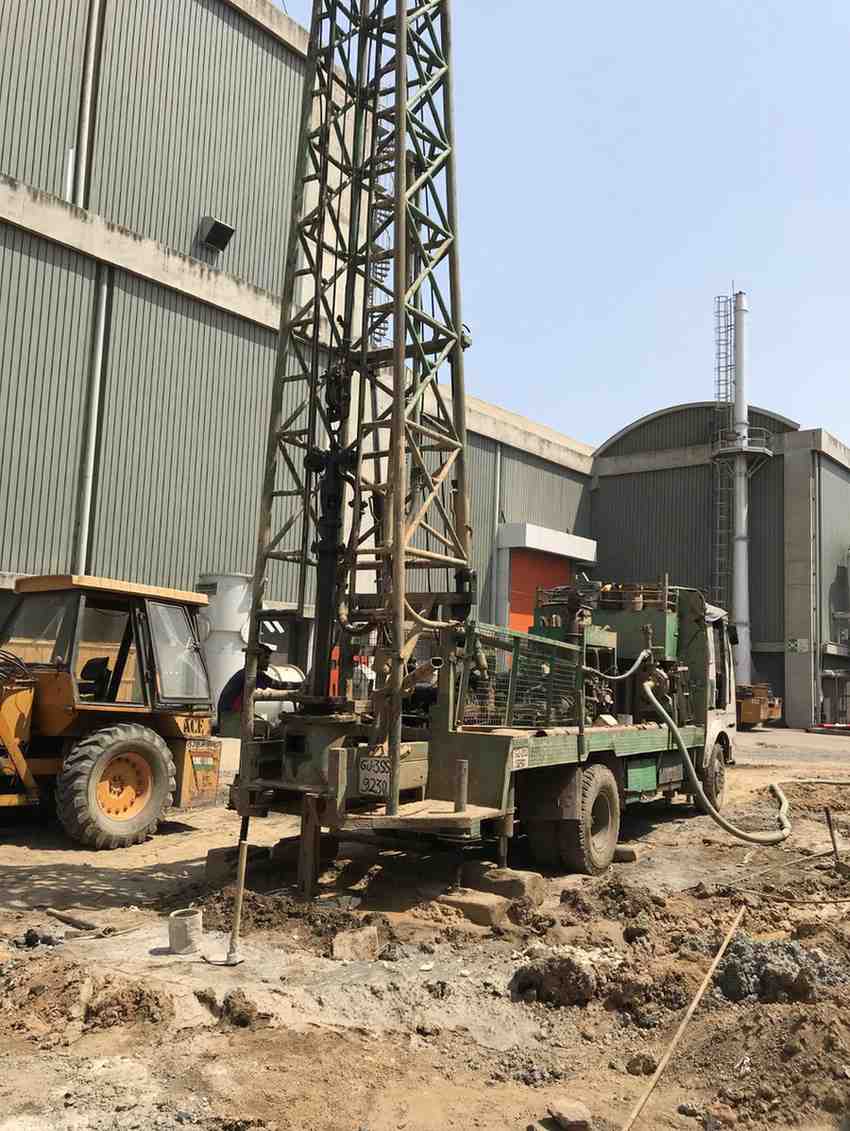
The Manual Auger Method is a reliable piling technique suitable for locations with restricted access or where low noise and vibration are essential. A tripod and manual winch system are used to drill boreholes using a helical auger. This method is commonly employed for pile diameters ranging from 250 mm to 1000 mm and offers an economical solution for smaller foundation projects.
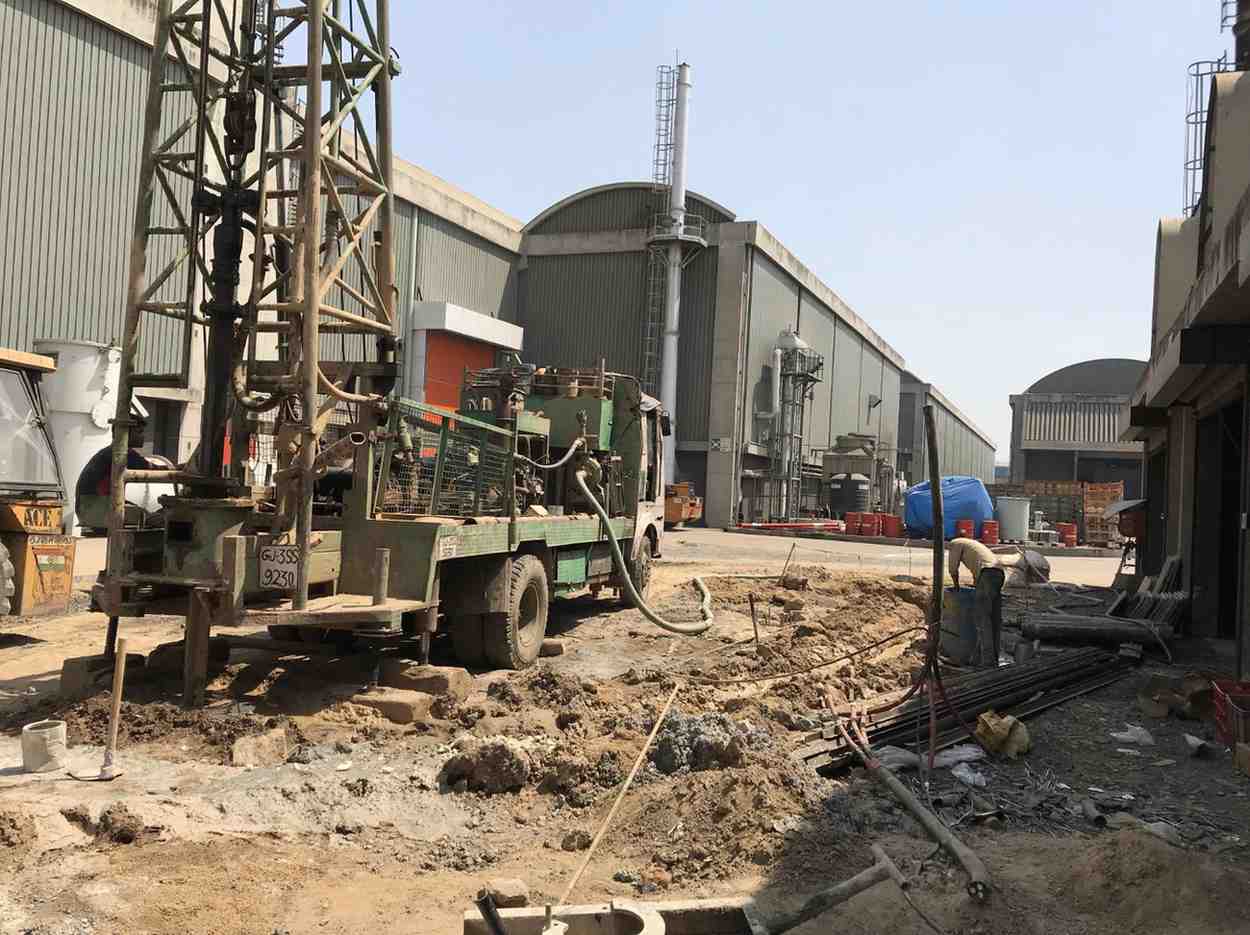
Our Truck Mounted Rotary (TMR) rigs utilize continuous bentonite slurry circulation to stabilize boreholes during drilling. Auger drilling is performed to the required depth while bentonite slurry supports the excavation and carries excavated soil back to a recycling tank. This method ensures bore stability, efficient spoil removal, and high productivity, particularly in loose or soft soil strata.
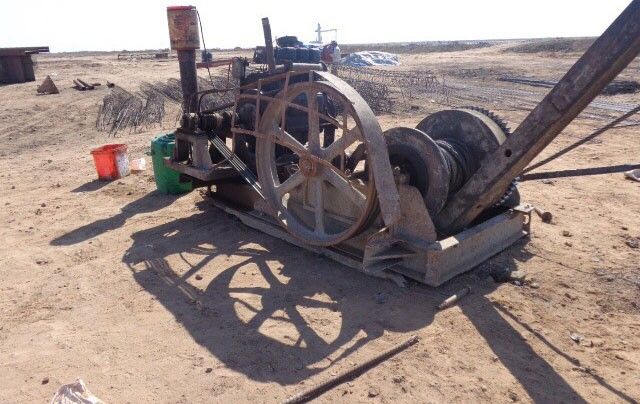
The DMC Pile Method employs Mendola-type rigs combined with bentonite drilling fluid for safe and efficient pile construction. Surface soil is loosened using a bailer before drilling continues with a percussion chisel. Bentonite slurry stabilizes the bore while transporting excavated material to settling pits. Once the desired depth is achieved, the drilling tools are removed and the final depth is verified before reinforcement and concreting.
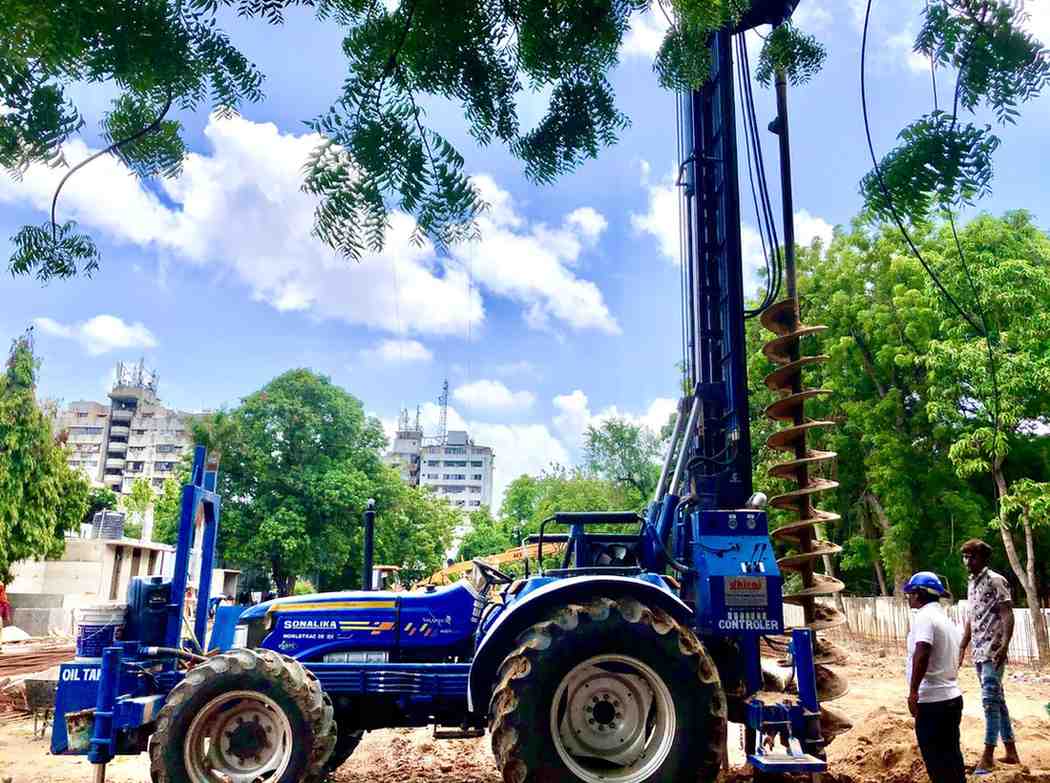
This method utilizes tractor-mounted rotary drilling rigs for fast and economical pile boring. Auger drilling is carried out to the required depth, with DMC rods added progressively to achieve deeper penetration through varying soil strata. It is particularly suitable for medium-depth foundation works and offers drilling capacities of up to 16 meters with excellent operational efficiency.
Our Work in Action
Click any image or video to view it in full screen.
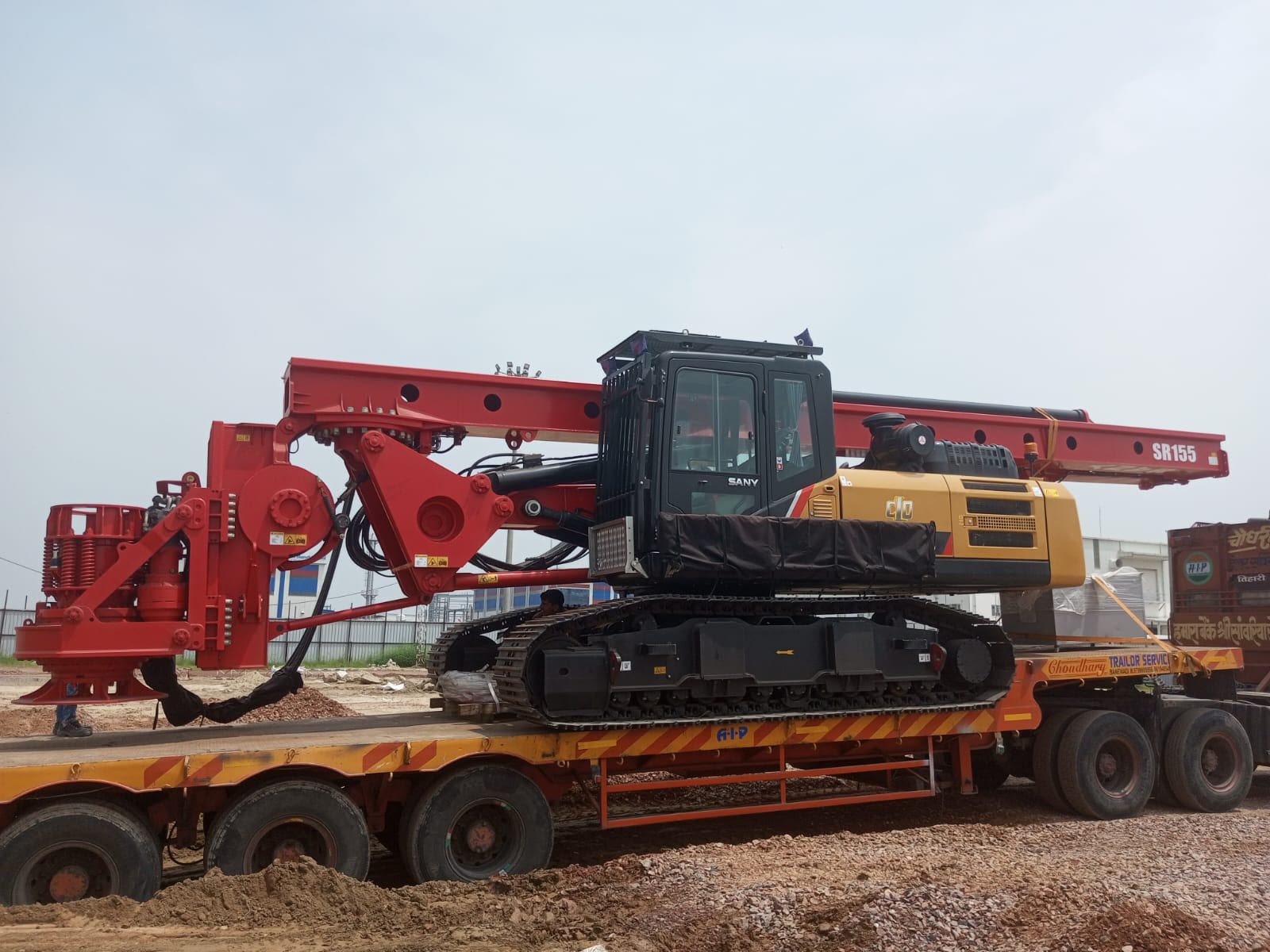
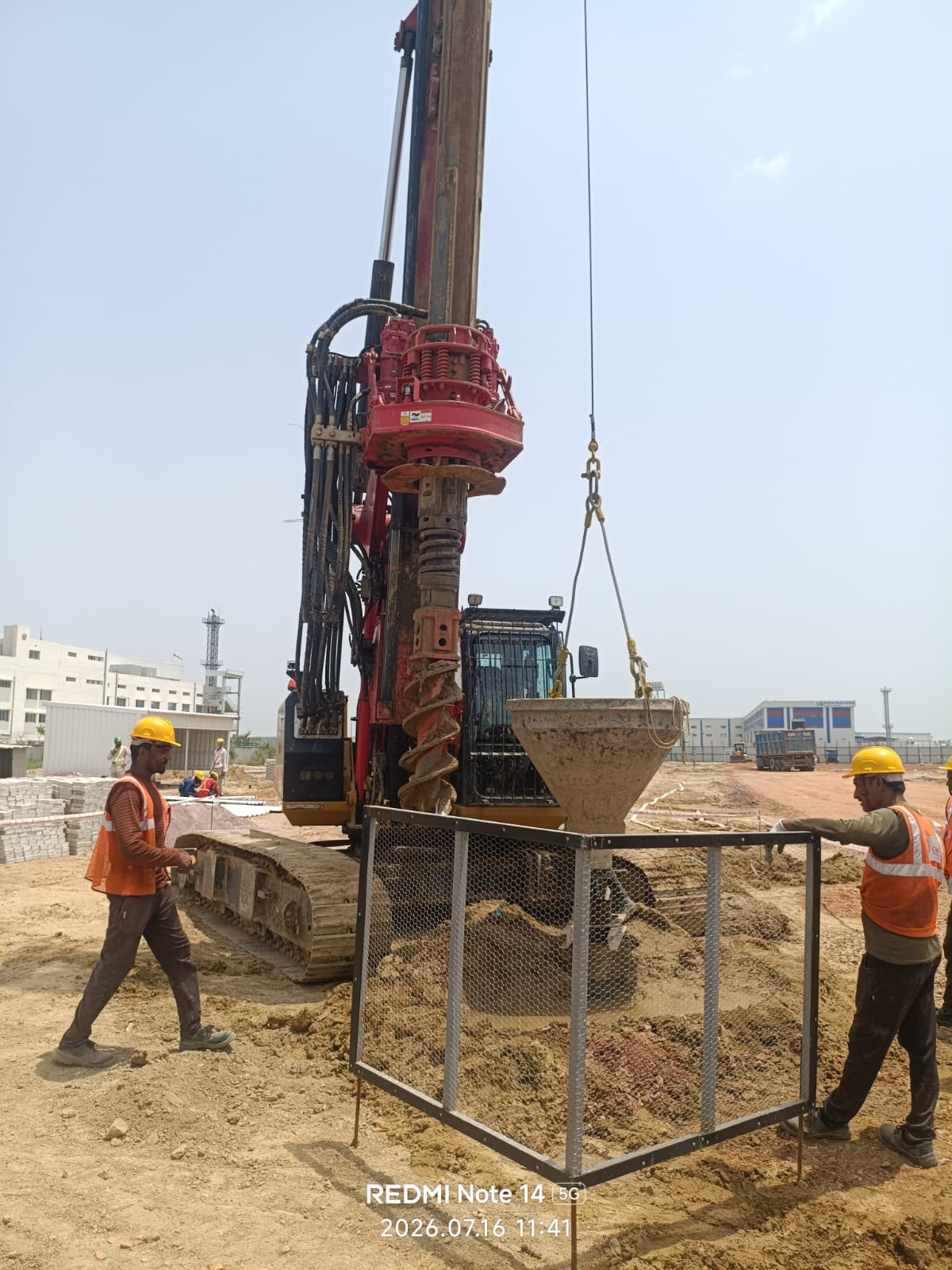
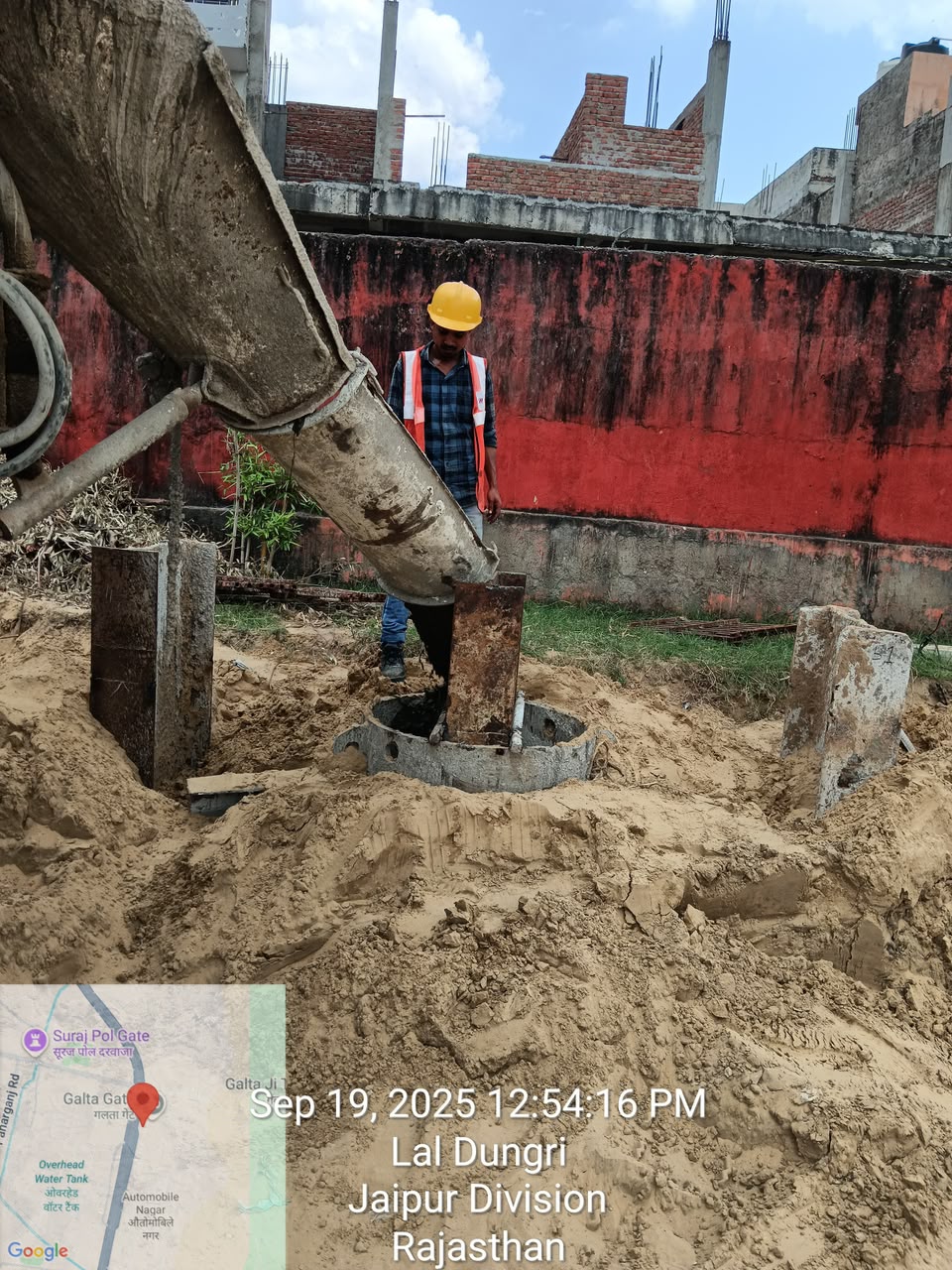
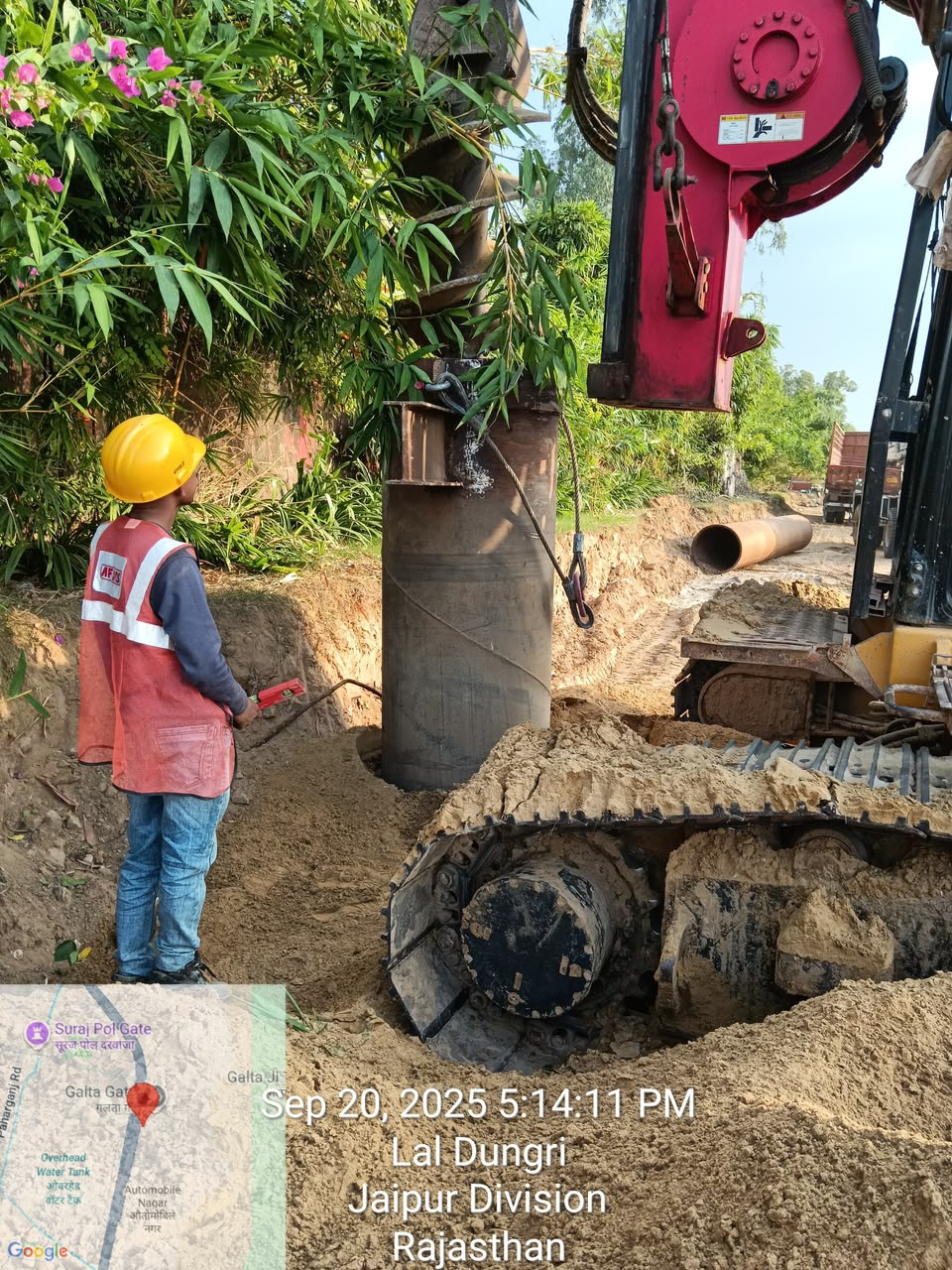
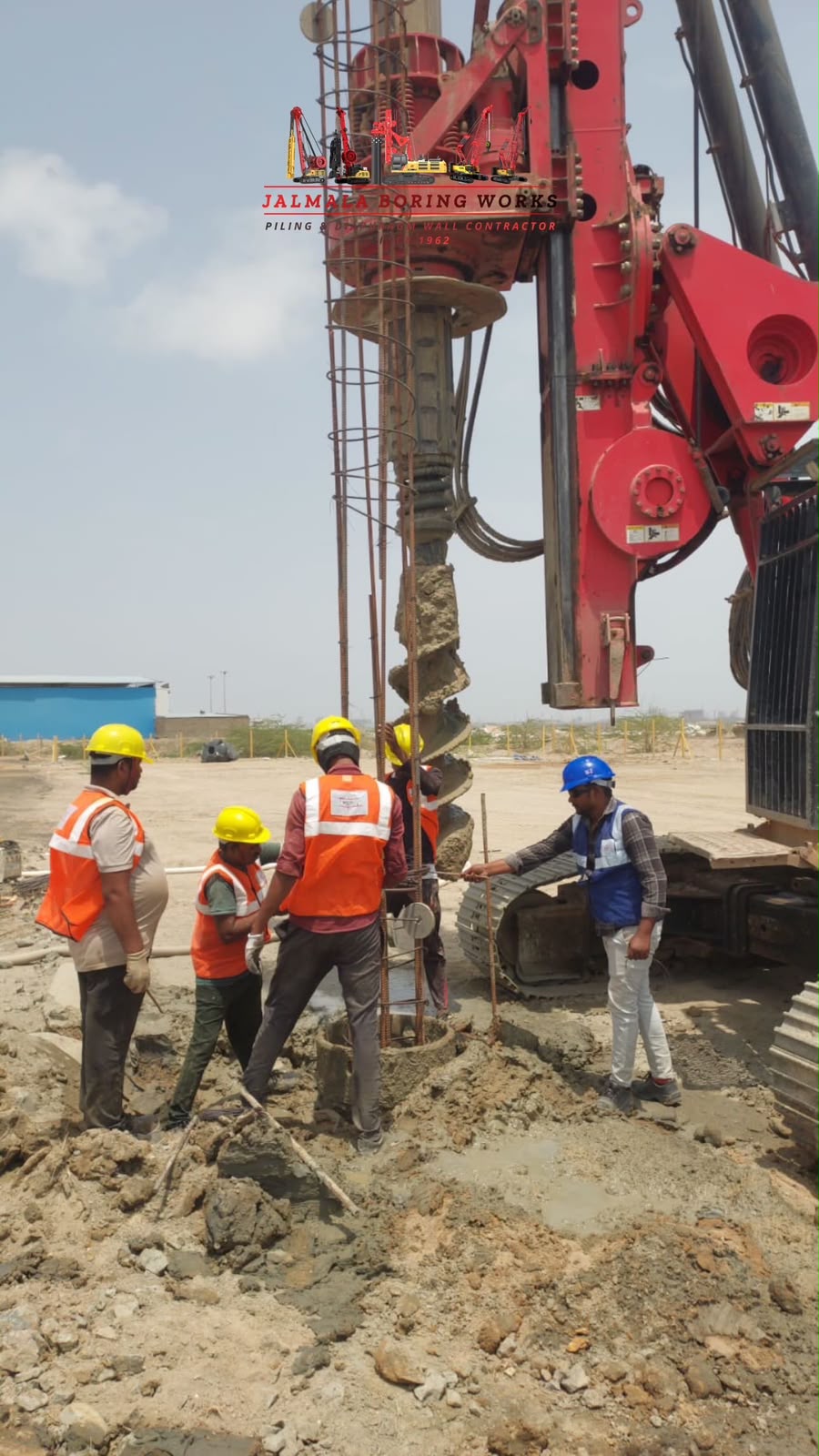
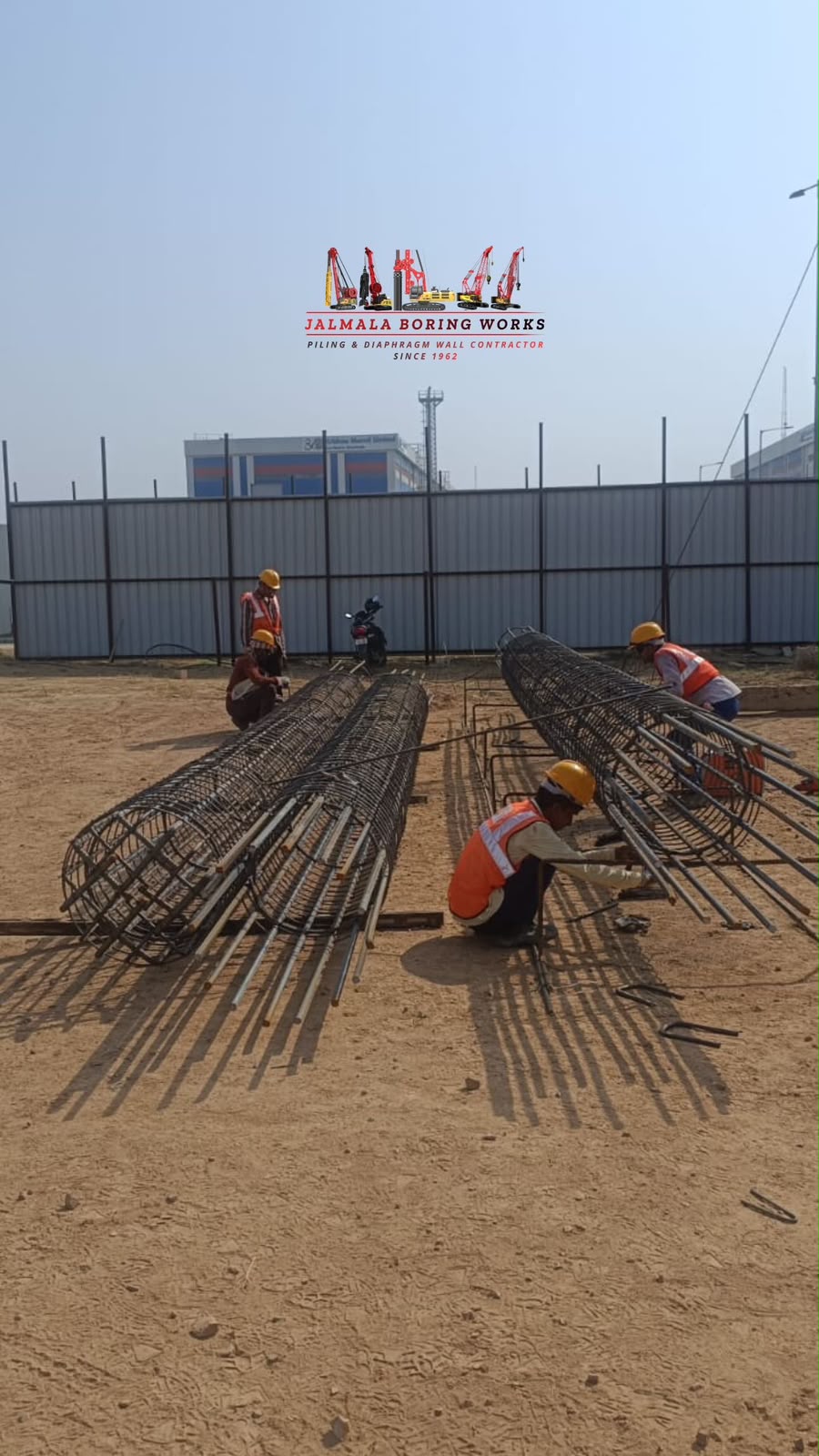
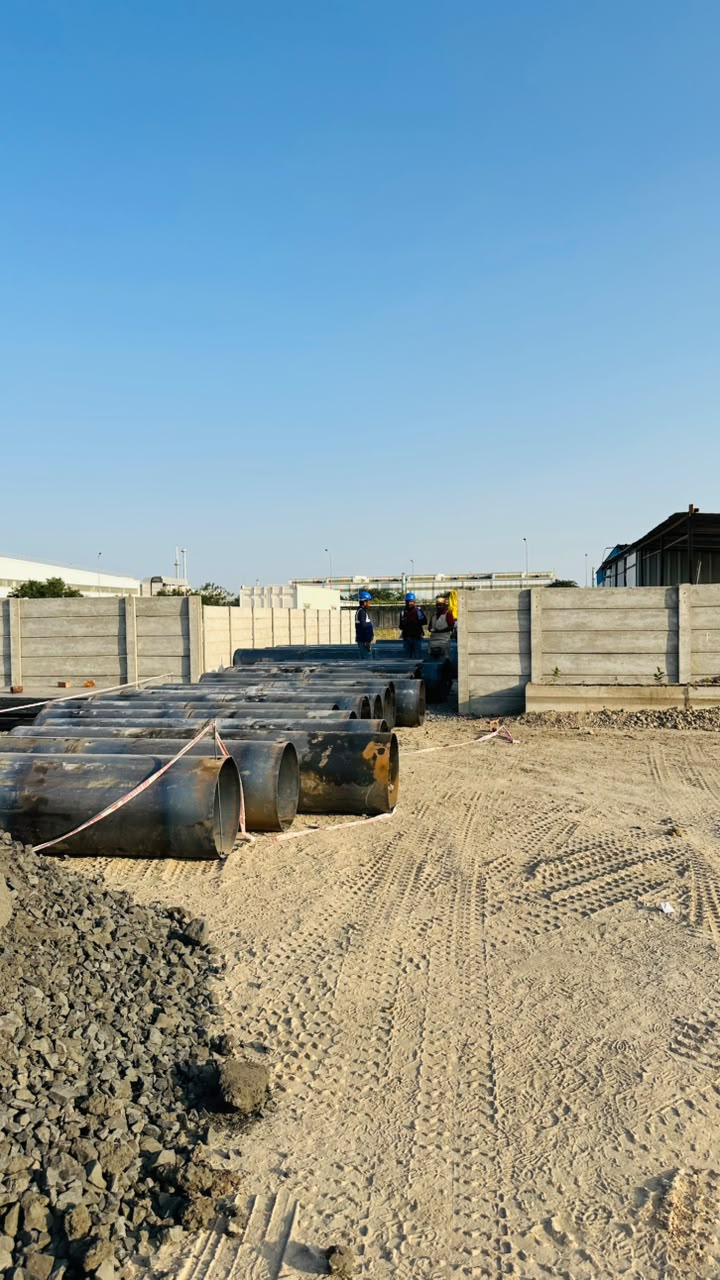
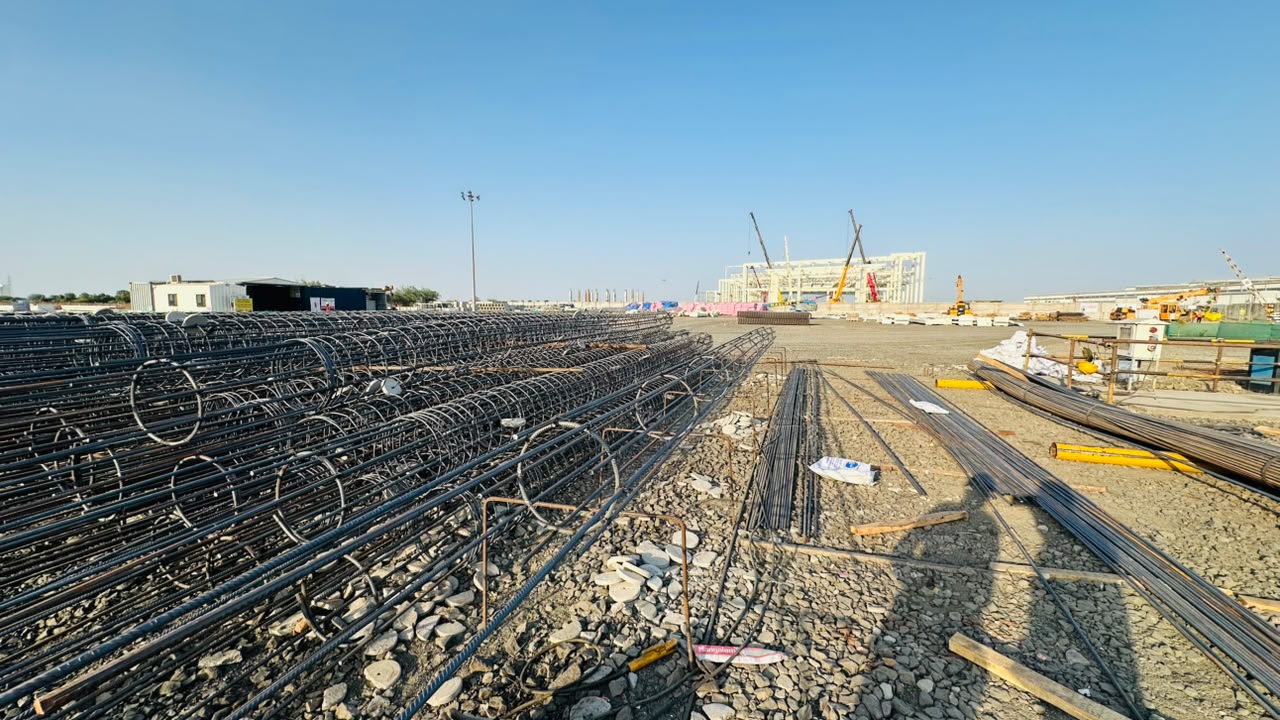
Recent Projects
Pile FoundationConstruction Process
Survey, Setting Out & Guide Casing Installation
Detailed survey, marking of pile locations, and installation of temporary guide casing.
- Detailed survey and marking of pile locations
- Verification of pile coordinates and levels
- Positioning of Hydraulic Rotary Piling Rig
- Installation of temporary guide casing
- Ensures accurate pile alignment and protects bore opening
Pile Boring & Excavation
Drilling of pile bore using Hydraulic Rotary Rig to required depth.
- Drilling of pile bore using Hydraulic Rotary Rig
- Excavation carried out to the required depth and founding strata
- Suitable drilling tools used for soil, rock, or hard strata
- Continuous monitoring of depth, verticality, and pile diameter
- Removal and disposal of excavated soil from site
Slurry Support & Borehole Cleaning
Preparation and circulation of Bentonite/Polymer Slurry and borehole cleaning.
- Preparation and circulation of Bentonite/Polymer Slurry
- Stabilization of borehole walls during drilling
- Recycling of slurry through slurry plant
- Cleaning of borehole bottom to remove loose sediments
- Final inspection of bore depth and cleanliness
Reinforcement Cage Installation
Fabrication and lowering of reinforcement cage into the bore.
- Fabrication of reinforcement cage as per approved drawings
- Installation of spacers, couplers, lifting points, and cover blocks
- Lowering of reinforcement cage into the completed bore
- Accurate positioning and level adjustment
- Quality inspection before concrete placement
Tremie Concreting
Continuous concrete placement using tremie pipes.
- Installation of tremie pipes up to borehole bottom
- Continuous placement of concrete from bottom to top
- Prevention of concrete segregation through tremie method
- Displacement and recovery of slurry during concreting
- Completion of pile concreting in one uninterrupted operation
Pile Completion & Quality Control
Final pile completion, head trimming, and quality assurance.
- Extraction of temporary casing during or after concreting
- Recording of concrete consumption and pile parameters
- Pile head chipping up to cut-off level
- Verification of pile depth, diameter, and concrete quality
- Completion of testing, documentation, and quality assurance
- Ready for pile cap and foundation construction
Piling Contractor Ankleshwar – How to Shortlist & Verify GIDC Contractors
Every plant procurement team in Ankleshwar GIDC eventually faces the same challenge: how do you pick the right piling contractor from a field where half the bidders overstate their capability? The stakes are high — a pile foundation failure is a 5-10× correction cost, and a contractor without genuine GIDC experience can delay your project by 6-10 weeks in approval cycles. This page is a procurement guide, not a service pitch. It covers six verification criteria for Ankleshwar GIDC piling contractors, ten red flags to watch for, a bid comparison methodology that makes apples-to-apples evaluation possible, and eight pre-award questions that distinguish qualified contractors from the rest. It is written for plant engineers and procurement managers — not for general audiences looking for a contractor to hire. For the services themselves, see our Ankleshwar GIDC piling services page. For contamination-specific engineering, see our contaminated site piling page.
Six Criteria for Ankleshwar GIDC Piling Contractor Verification
A qualified piling contractor in Ankleshwar GIDC should be verifiable across six criteria. First, ISO 9001:2015 certification — not just a claim, but a certificate you can verify with the issuing body. Second, MAH installation experience — proof of work at Major Accident Hazard facilities with OSEP familiarity. Third, GIDC NAA permit coordination — documented track record of Notified Area Authority approvals. Fourth, contaminated site experience — specifically for legacy plots, with proper disposal compliance and durability specifications. Fifth, documented safety record — third-party safety audit reports, lost-time injury statistics, and past incident history. Sixth, verifiable Ankleshwar GIDC project references — real plants, real project types, real client contacts you can call. The best Ankleshwar GIDC contractors provide all six without prompting — the rest deflect on two or more.
Ten Red Flags When Evaluating Ankleshwar GIDC Piling Bids
The following red flags should disqualify or downgrade a bidder. No ISO certificate or an unverifiable one. Vague MAH experience — "we have worked at chemical plants" without specific OSEP or MAH references. No direct Ankleshwar GIDC references — only projects from other states or unrelated industries. No contaminated site experience despite bidding on a legacy plot. Equipment all subcontracted — no owned rig fleet. Unverifiable references — names you cannot contact or that turn out to be from outside Ankleshwar. No documented safety audit reports. Evasive answers on past incidents or litigation. Bids dramatically lower than competitors — usually because critical scope items (testing, NAA coordination) are excluded or inferior materials are used. And pressure to award without site visit or design review — a legitimate contractor welcomes the review. Any two of these should trigger deeper due diligence; three or more should eliminate the bidder from shortlist.
Bid Comparison Methodology – Apples-to-Apples
Comparing Ankleshwar GIDC piling bids on total price alone is the most common procurement mistake. Piling bids differ on scope in ways that make direct price comparison misleading. Require each bidder to submit their bid in five sections: scope items (excavation, boring, bentonite, reinforcement, concrete, testing, NAA coordination, MAH documentation); exclusions (usually steel, guide walls, contaminated soil disposal); testing scope (how many static load tests, what percentage of PIT, third-party or in-house); timeline (weekly milestones with critical path); and documentation package (what is delivered at handover). When two bids differ by ₹30+ lakh on a similar scope, the difference is rarely pricing — it is scope, testing, or exclusions. The bid with the clearest scope at a slightly higher price is usually the cheaper bid in actual project cost.
Eight Pre-Award Questions
Before awarding, ask every shortlisted contractor these eight questions. Contractors who hesitate or deflect should be excluded. (1) Provide three Ankleshwar GIDC project references with client contacts. (2) Share your most recent third-party safety audit report. (3) Explain your OSEP coordination process for a MAH installation. (4) Which NAA permit coordination steps are included and who prepares documents? (5) For our contaminated plot, what pre-construction assessment do you recommend and who coordinates it? (6) What is your testing scope — static load tests, PIT percentage, third-party verification? (7) If a pile fails load test, what is the corrective action scope and who pays? (8) Provide your standard subcontract terms and payment schedule before finalization. The quality of a contractor's response to these eight questions is a better predictor of project success than any brochure or past marketing claim.
Verifying Ankleshwar GIDC Experience – Beyond the Claim
Every contractor claims Ankleshwar GIDC experience. Verification requires four checks: (1) ask for specific project details — plant name, project type, scope, completion date, and contract value range; (2) call the client contact directly — 15-minute conversation with the plant procurement or project engineer reveals more than any proposal; (3) review the load test reports from past Ankleshwar projects — they show the actual test protocol and results; (4) visit a live site — one hour observing the team in action tells you more about their execution quality than weeks of document review. Contractors with genuine experience can provide all four within a week. Those without it will hedge, provide vague references, or fail the verification when you follow up.
What Handover Documentation Should Look Like
A qualified Ankleshwar GIDC piling contractor should deliver a complete handover package: as-built pile layout, pile installation logs (boring depth, cage details, concreting records, casing extraction), bentonite slurry test records from every shift, concrete cube test results (7-day and 28-day), PIT reports for 100% of piles, static load test reports per IS 2911 Part 4, third-party material testing (SRC/PSC cement and epoxy rebar certificates), NAA completion documentation and inspection records, contaminated soil disposal manifests (for legacy plots), and a handover certificate with warranty terms. Contractors who cannot deliver this have not completed the project regardless of what the invoice says.
Why Jalmala Boring Works Meets All Six Criteria
Jalmala Boring Works is presented on this page because we genuinely meet every criterion outlined above — not as marketing, but as a reference against which you should measure other bidders. ISO 9001:2015 certificate available for verification with issuing body. MAH installation piling experience at Ankleshwar GIDC with documented OSEP coordination. GIDC NAA permit coordination on prior Ankleshwar projects. Contaminated site piling experience with proper disposal compliance and durability specifications. Documented safety record — zero trench collapse and minimal lost-time injuries across 20+ Indian states. Verifiable Ankleshwar GIDC references available on request with client contacts for verification calls. We provide the complete documentation pack within 2 business days of request, and schedule site visits and reference calls within one week for qualified projects.
Contact for Contractor Verification Support
Ready to start the verification process or discuss how Ankleshwar GIDC piling contractor verification works in practice? Call our team at +91 93745 45415 or email jalmala.pile@gmail.com. Mention "verification" or "selection" in your inquiry — our team provides the complete documentation pack within 2 business days and arranges reference calls within one week. Main office is at Dholka Road, near Nariampura Village, Narimanpura, Sarkhej, Ahmedabad, Gujarat 382210. For broader Ankleshwar GIDC coverage, see our Ankleshwar GIDC piling services page and our contaminated site piling page.