
Pile Foundation
Bored Cast-in-Situ Piling Specialists
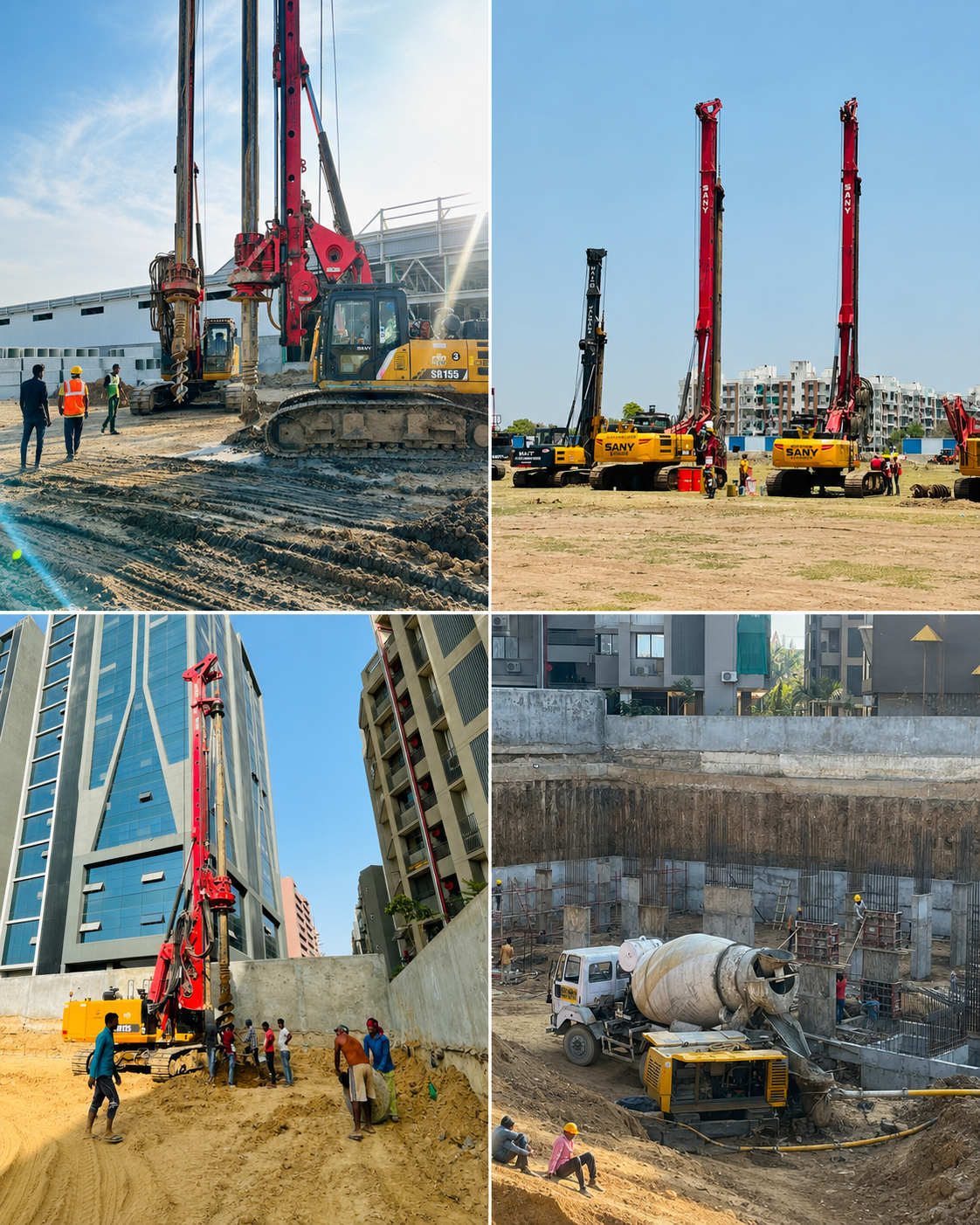
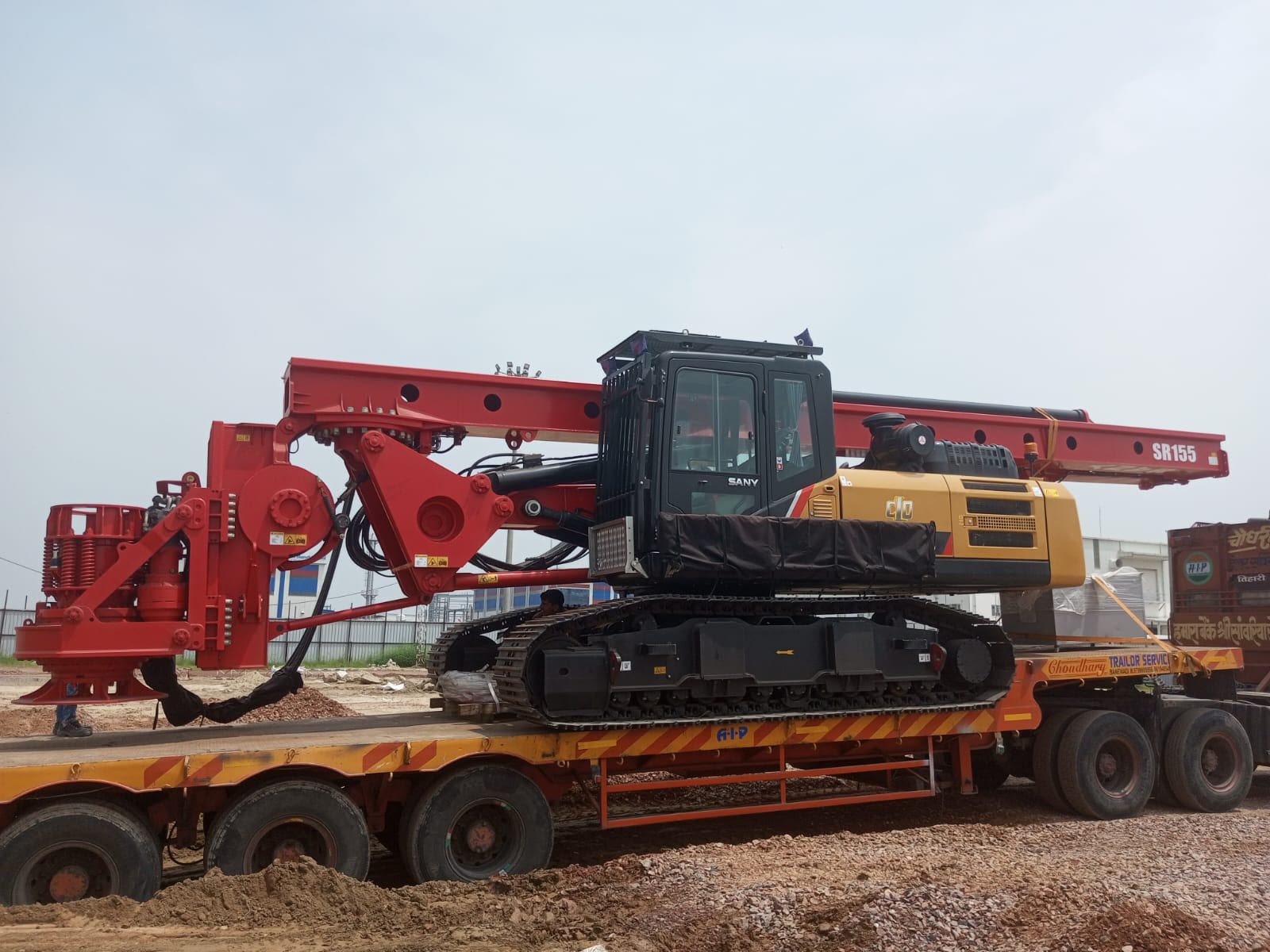
Jalmala Boring Works provides Pile Foundation and Deep Foundation Solutions using Bored Cast-in-Situ Piles for residential, commercial, industrial, and infrastructure projects. With advanced Hydraulic Rotary Rigs, we construct piles from 300 mm to 1800 mm diameter and depths of up to 50 metres, delivering reliable load-bearing capacity across soft soil, hard rock, and high groundwater conditions.
Our Piling Methods
We deploy six proven techniques — selected based on soil profile, site constraints, and project requirements.
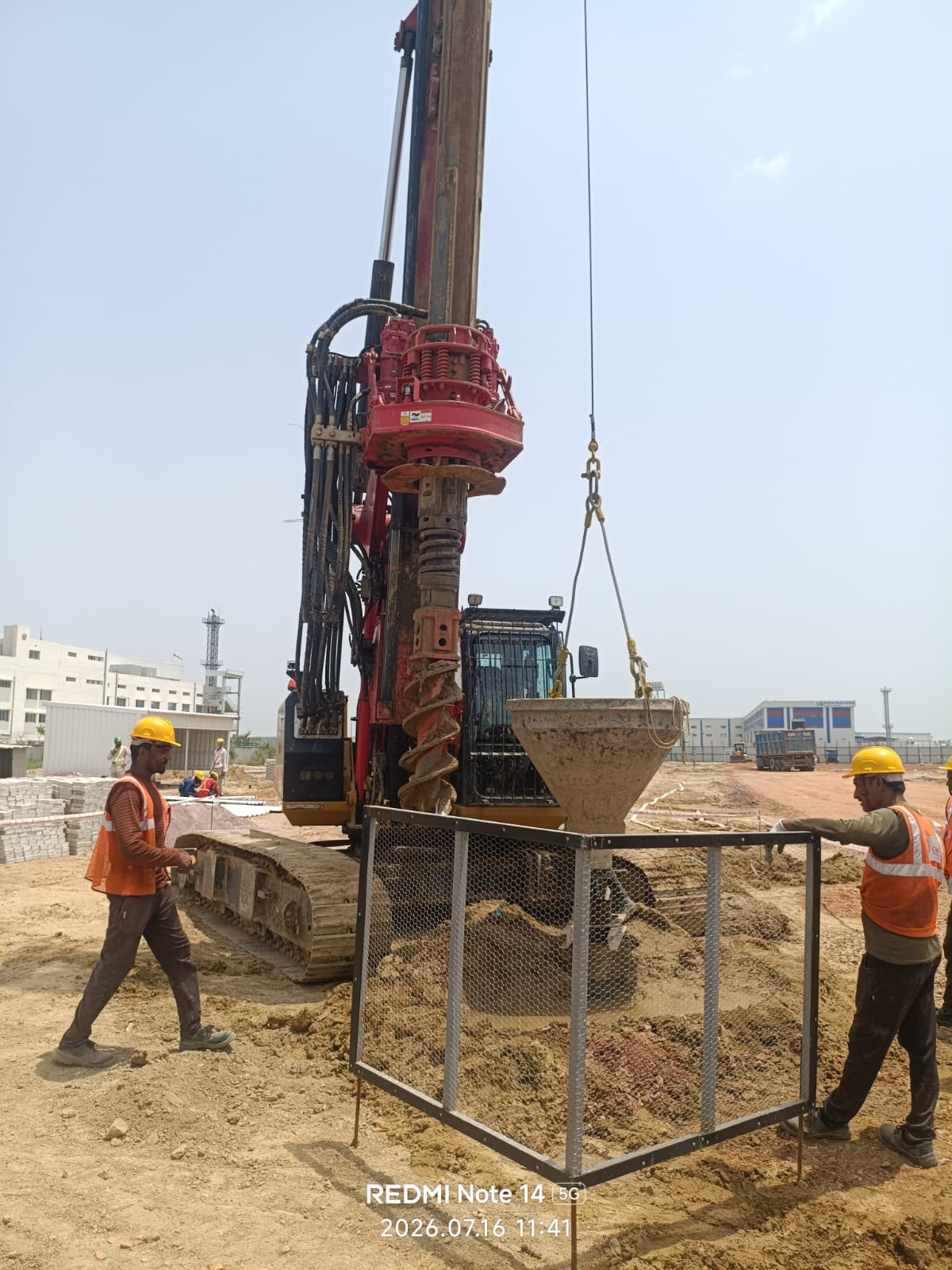
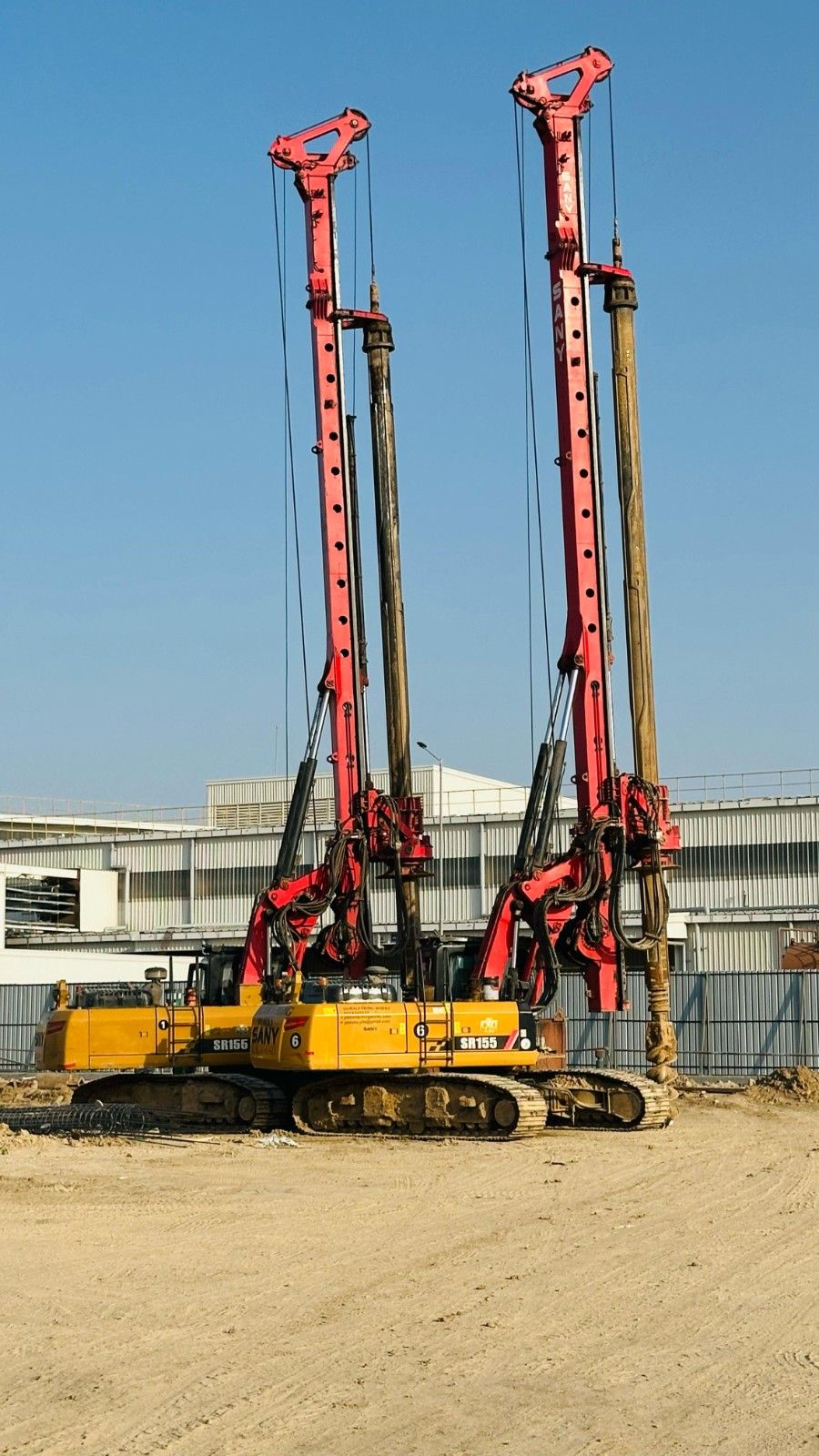
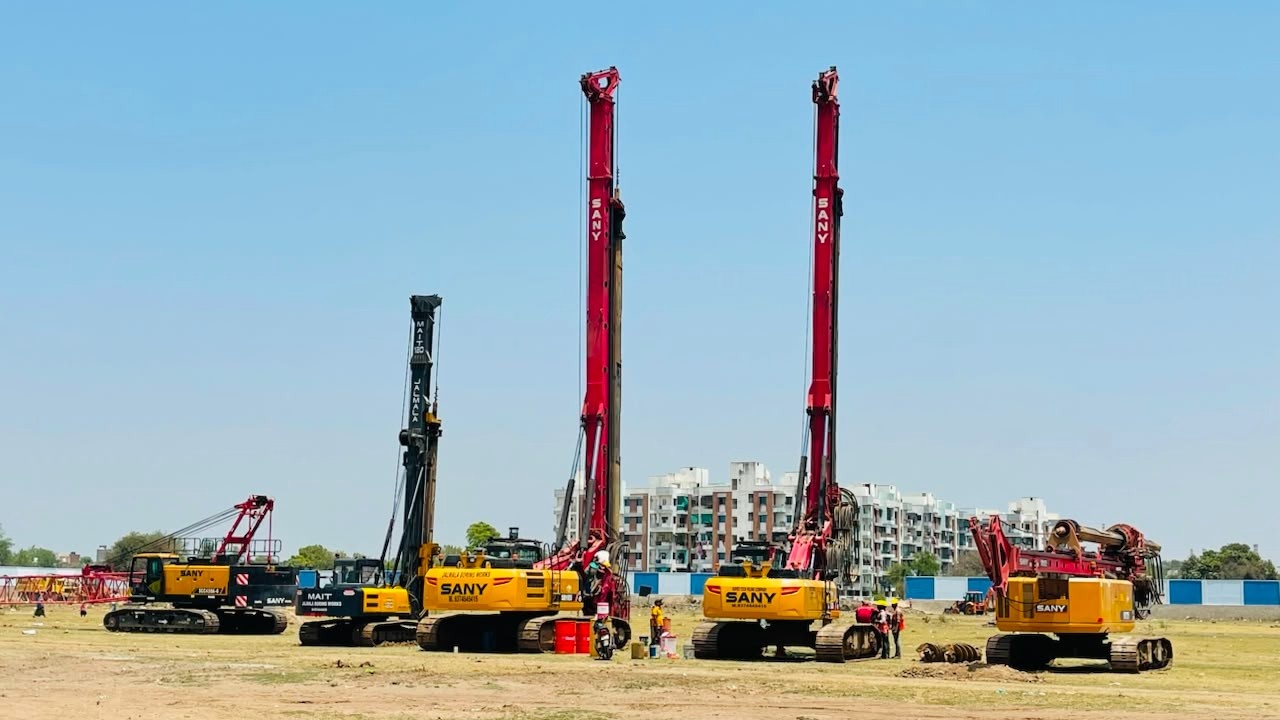
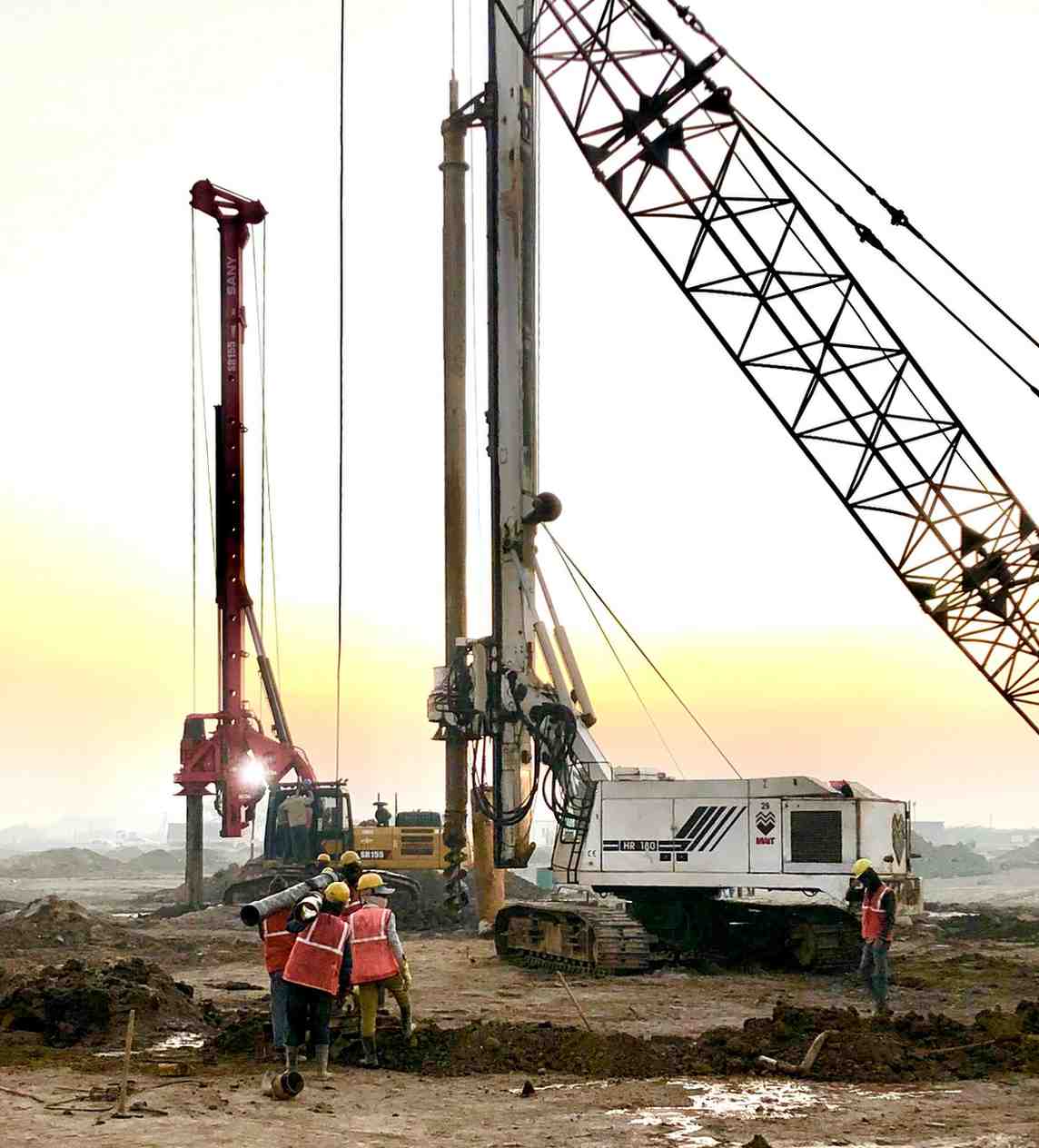
We specialize in bored piling with diameters ranging from 200 mm to 2000 mm and depths up to 50 meters. Using advanced hydraulic rotary rigs, we execute piling operations efficiently across a wide range of soil conditions. Our fleet includes high-performance rotary drilling rigs capable of working in restricted headroom areas while delivering precision, stability, and high productivity.
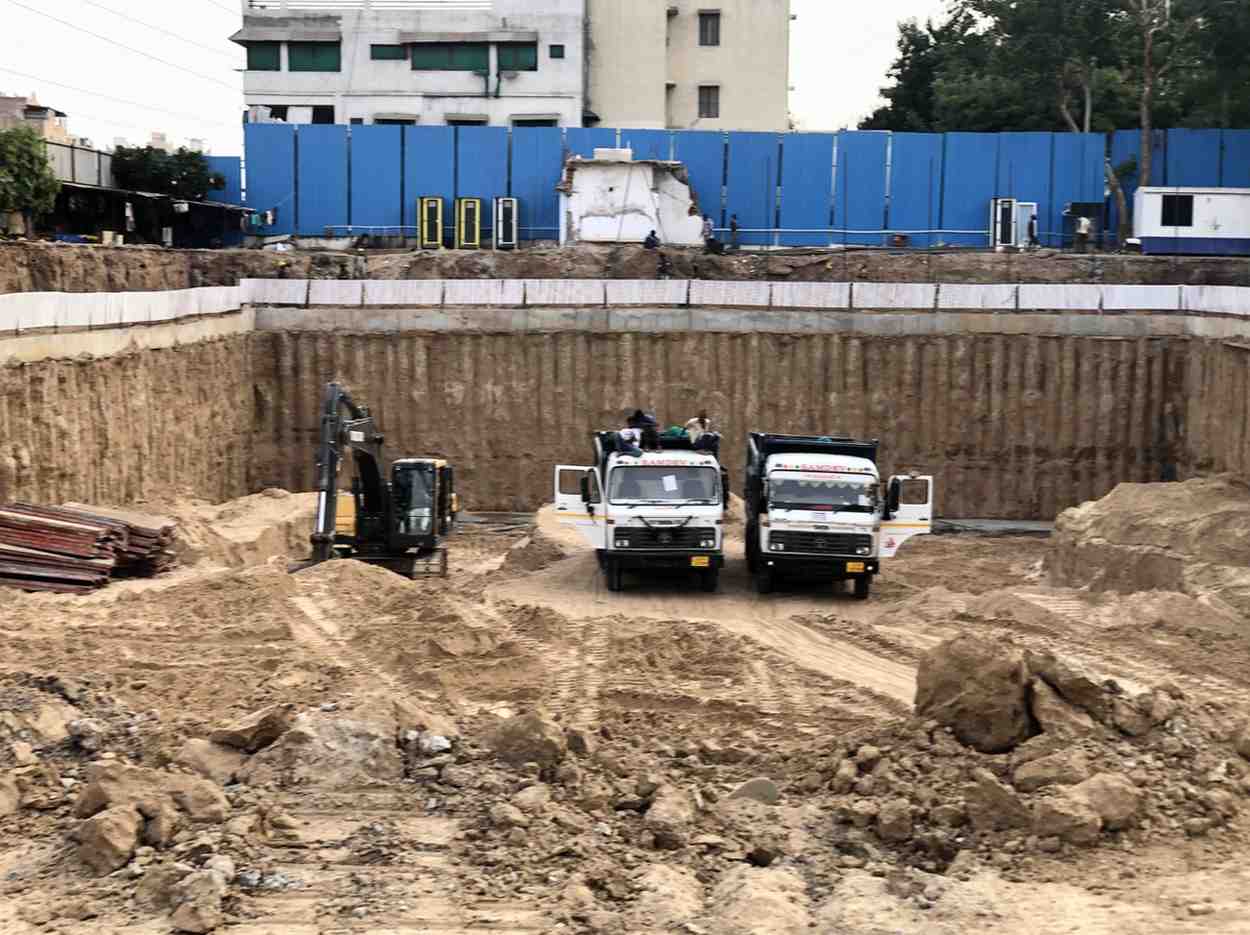
Secant pile walls are constructed by intersecting reinforced concrete piles to form a continuous retaining structure. Primary piles are installed first, followed by reinforced secondary piles after sufficient curing. This technique provides excellent groundwater control and soil retention, making it ideal for deep excavations, basements, and foundation support in challenging ground conditions.
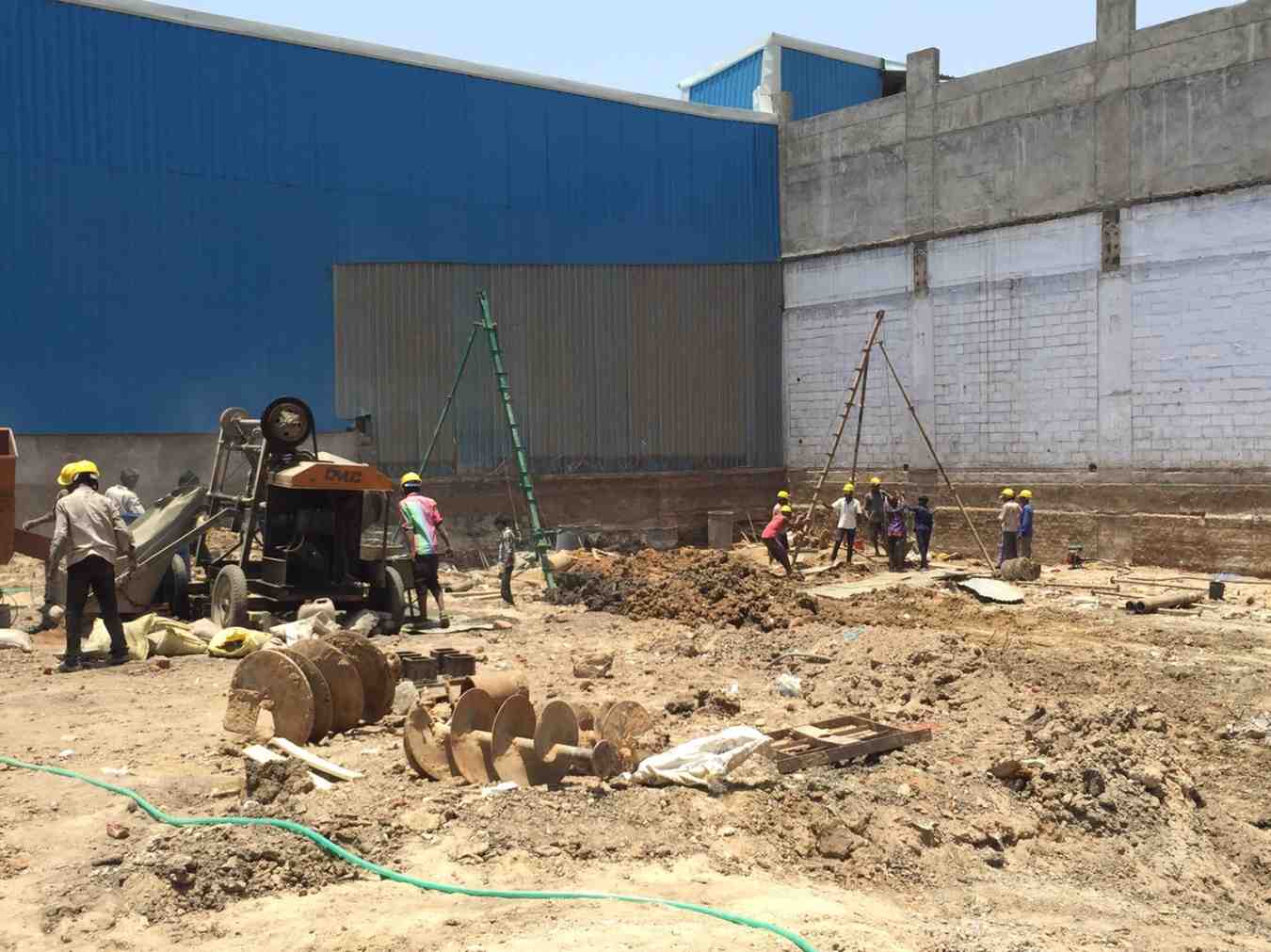
The Manual Auger Method is a reliable piling technique suitable for locations with restricted access or where low noise and vibration are essential. A tripod and manual winch system are used to drill boreholes using a helical auger. This method is commonly employed for pile diameters ranging from 250 mm to 1000 mm and offers an economical solution for smaller foundation projects.
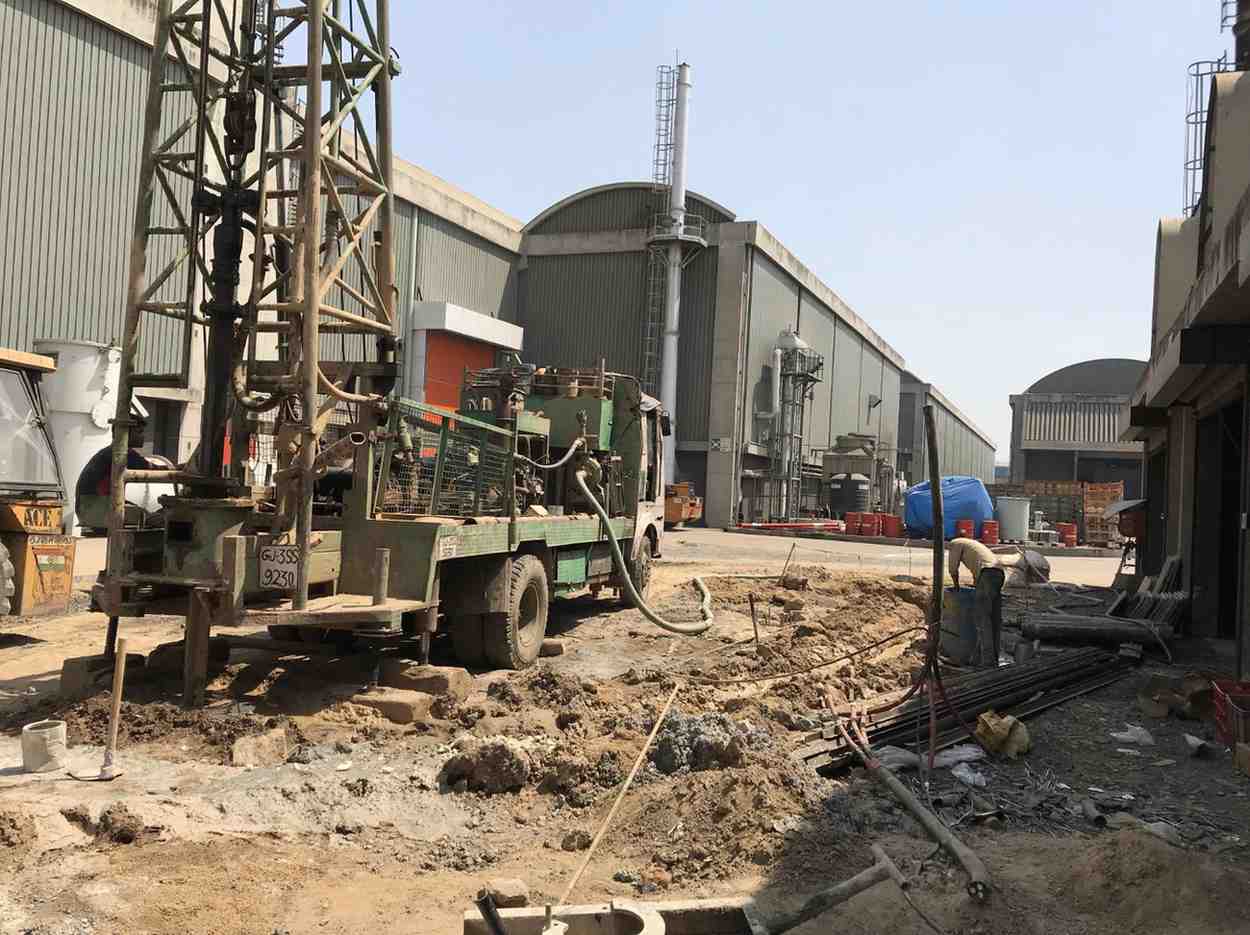
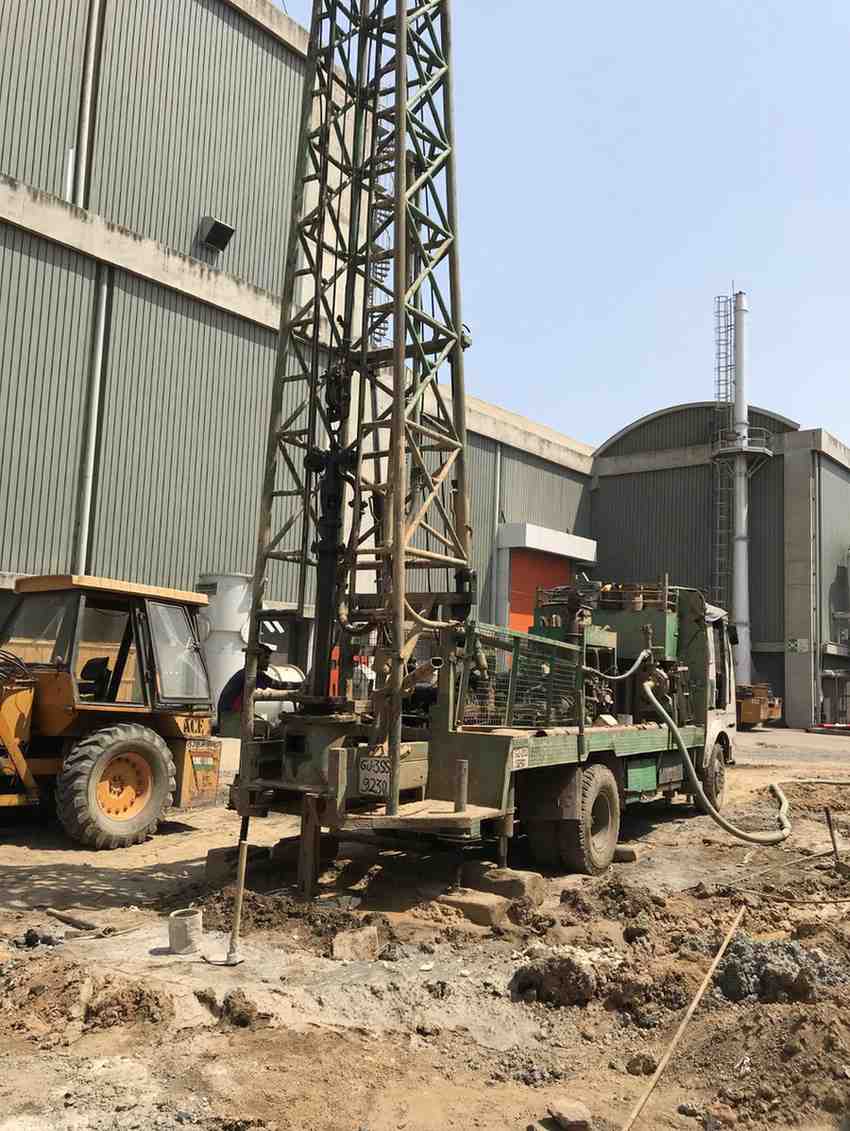
Our Truck Mounted Rotary (TMR) rigs utilize continuous bentonite slurry circulation to stabilize boreholes during drilling. Auger drilling is performed to the required depth while bentonite slurry supports the excavation and carries excavated soil back to a recycling tank. This method ensures bore stability, efficient spoil removal, and high productivity, particularly in loose or soft soil strata.
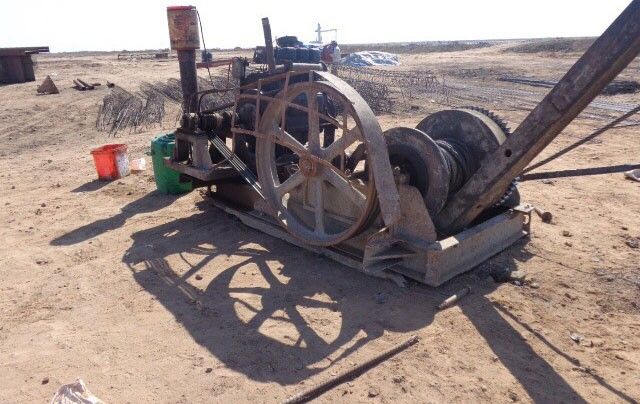
The DMC Pile Method employs Mendola-type rigs combined with bentonite drilling fluid for safe and efficient pile construction. Surface soil is loosened using a bailer before drilling continues with a percussion chisel. Bentonite slurry stabilizes the bore while transporting excavated material to settling pits. Once the desired depth is achieved, the drilling tools are removed and the final depth is verified before reinforcement and concreting.
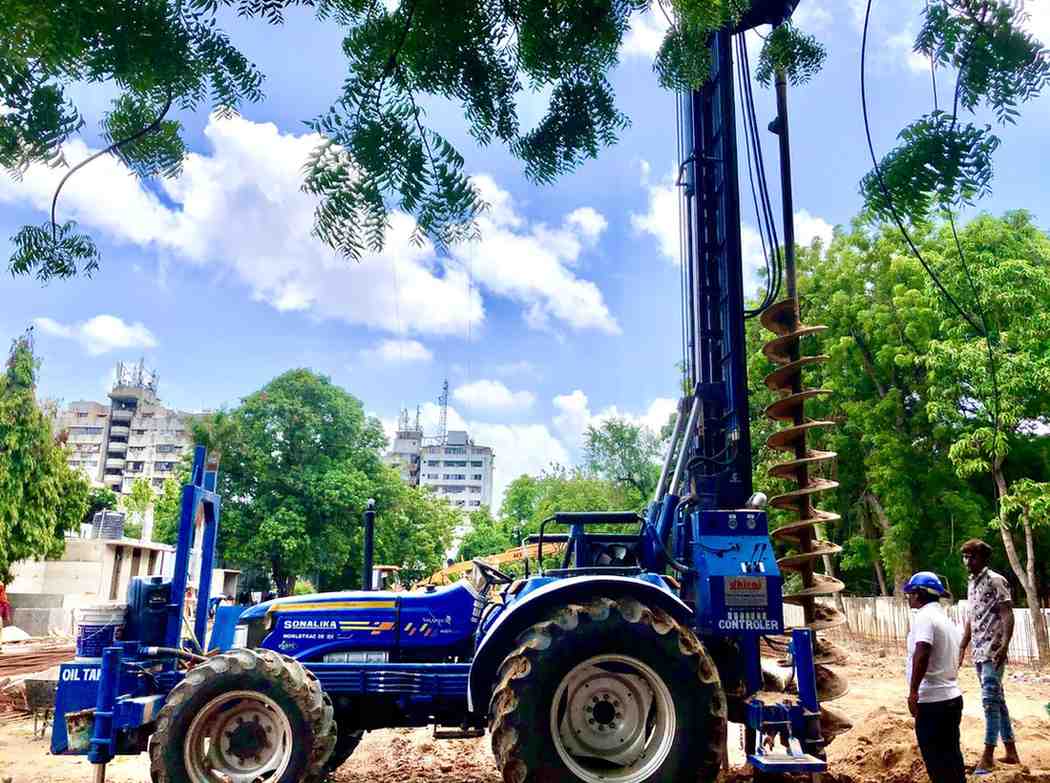
This method utilizes tractor-mounted rotary drilling rigs for fast and economical pile boring. Auger drilling is carried out to the required depth, with DMC rods added progressively to achieve deeper penetration through varying soil strata. It is particularly suitable for medium-depth foundation works and offers drilling capacities of up to 16 meters with excellent operational efficiency.
Our Work in Action
Click any image or video to view it in full screen.
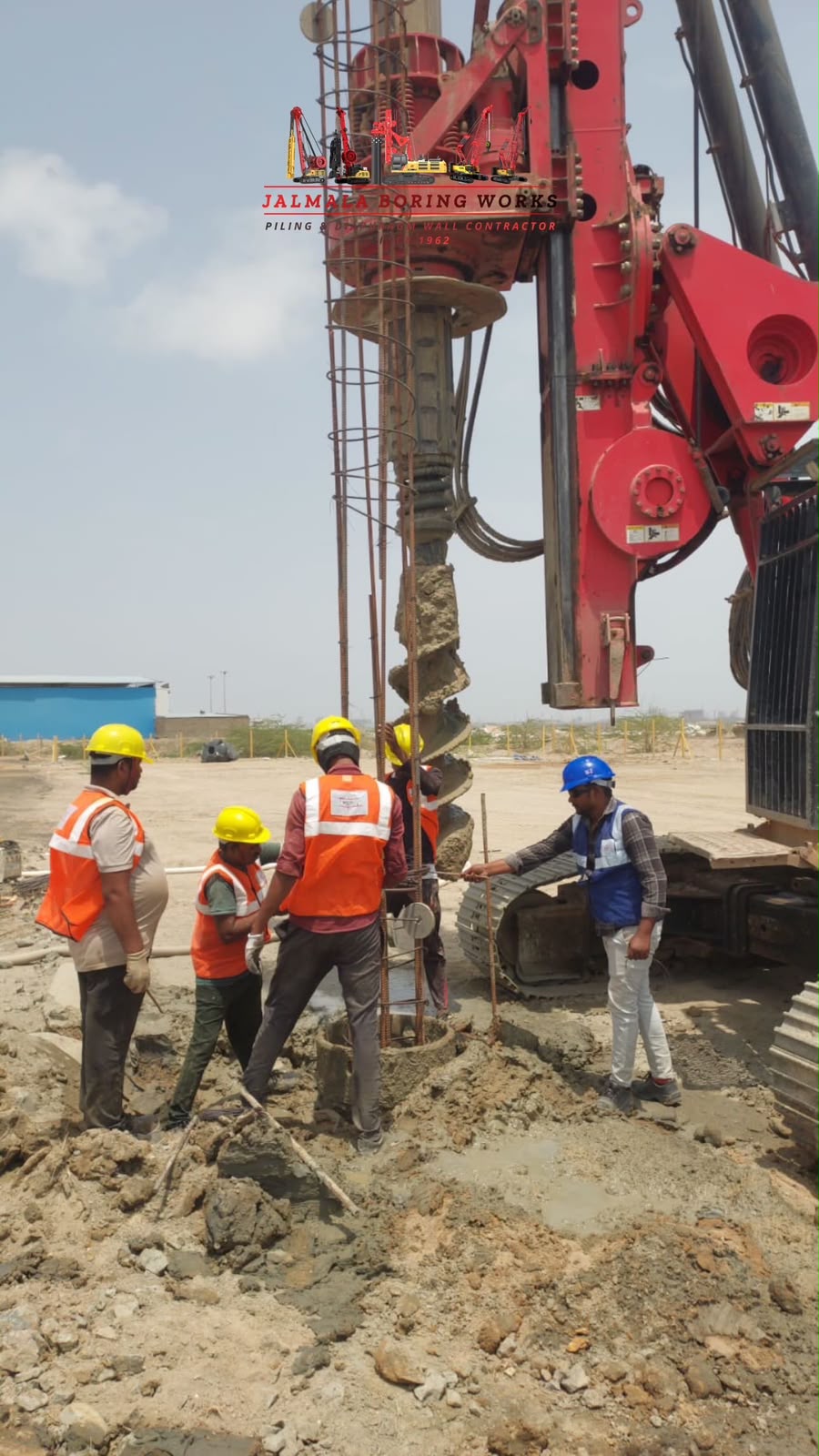
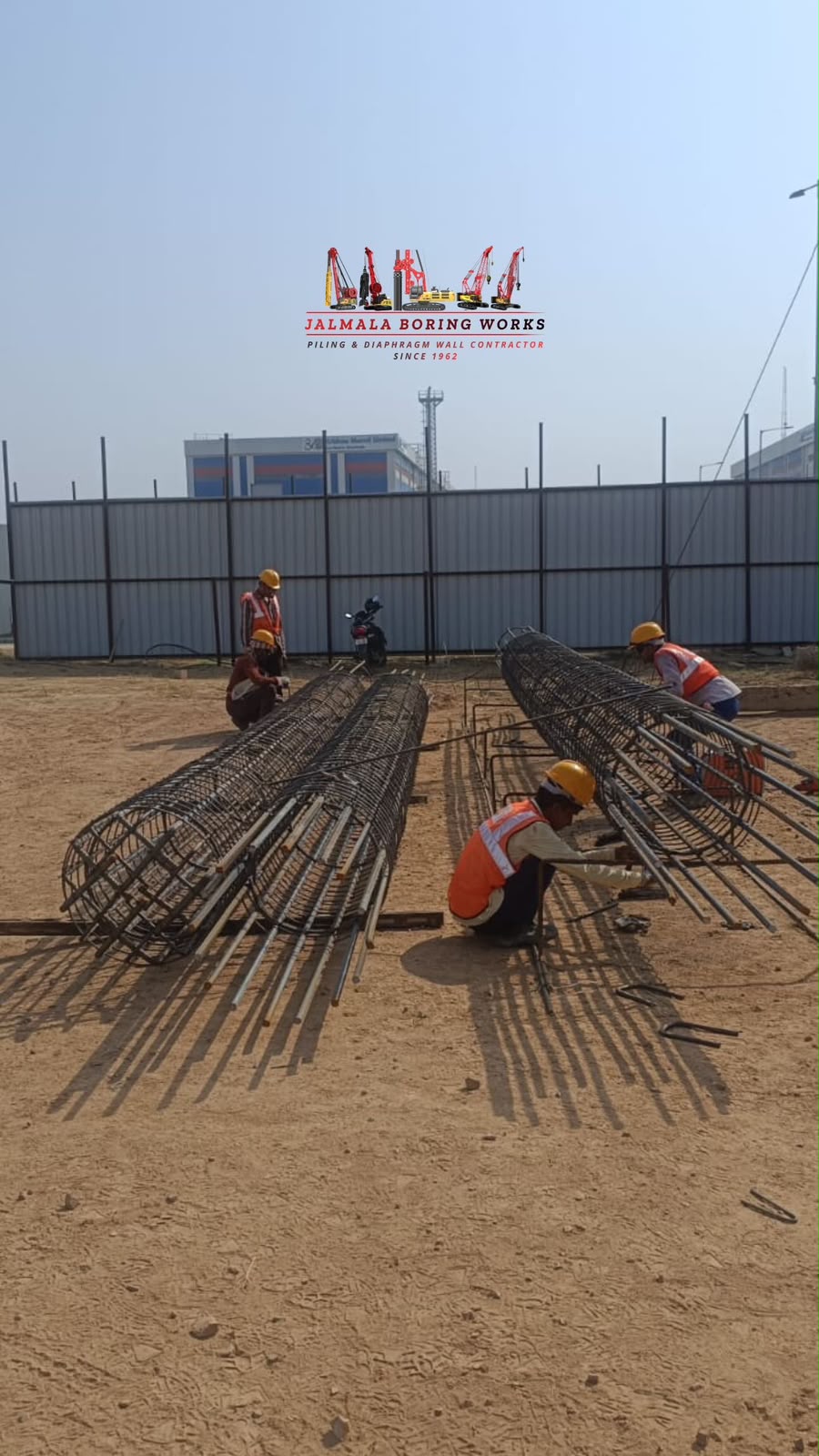
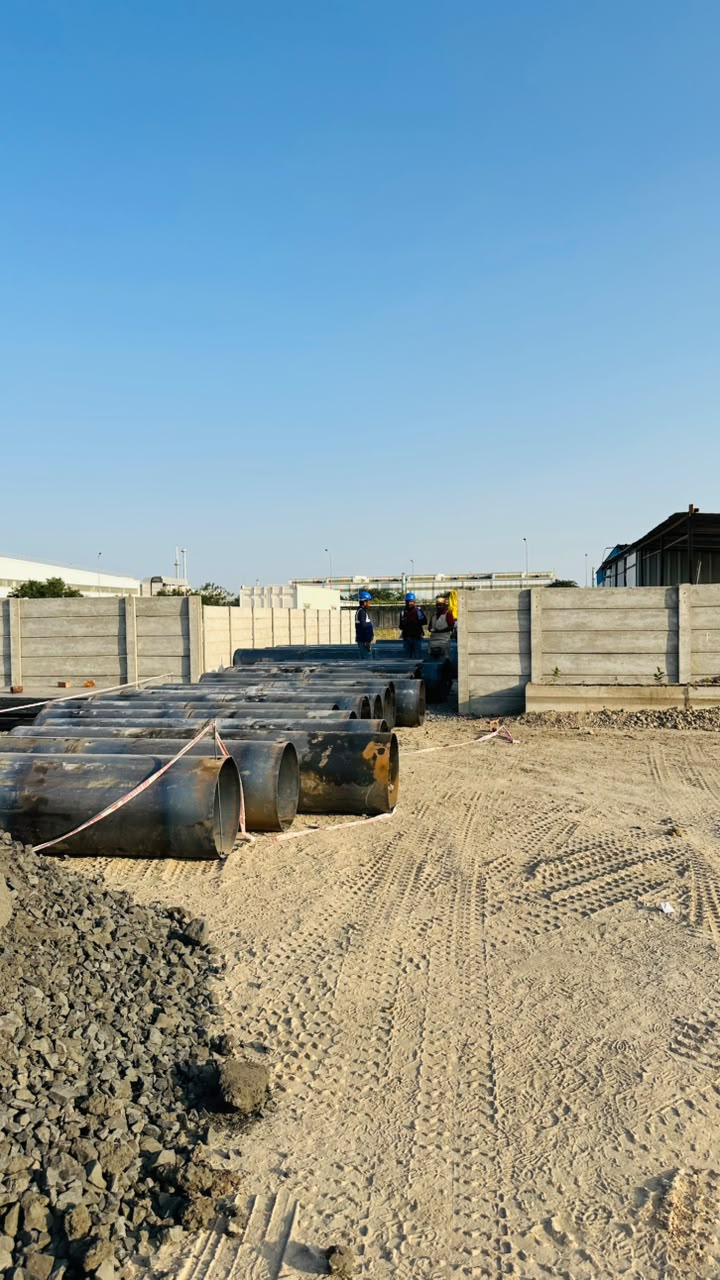
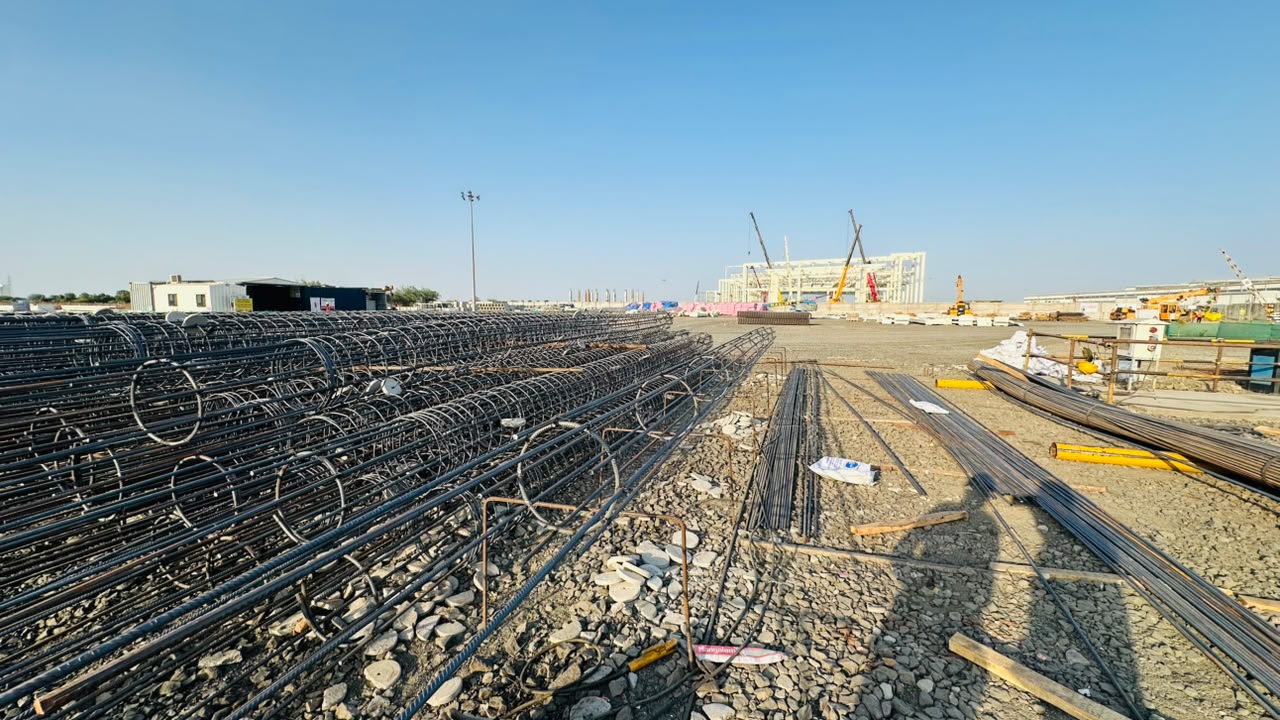
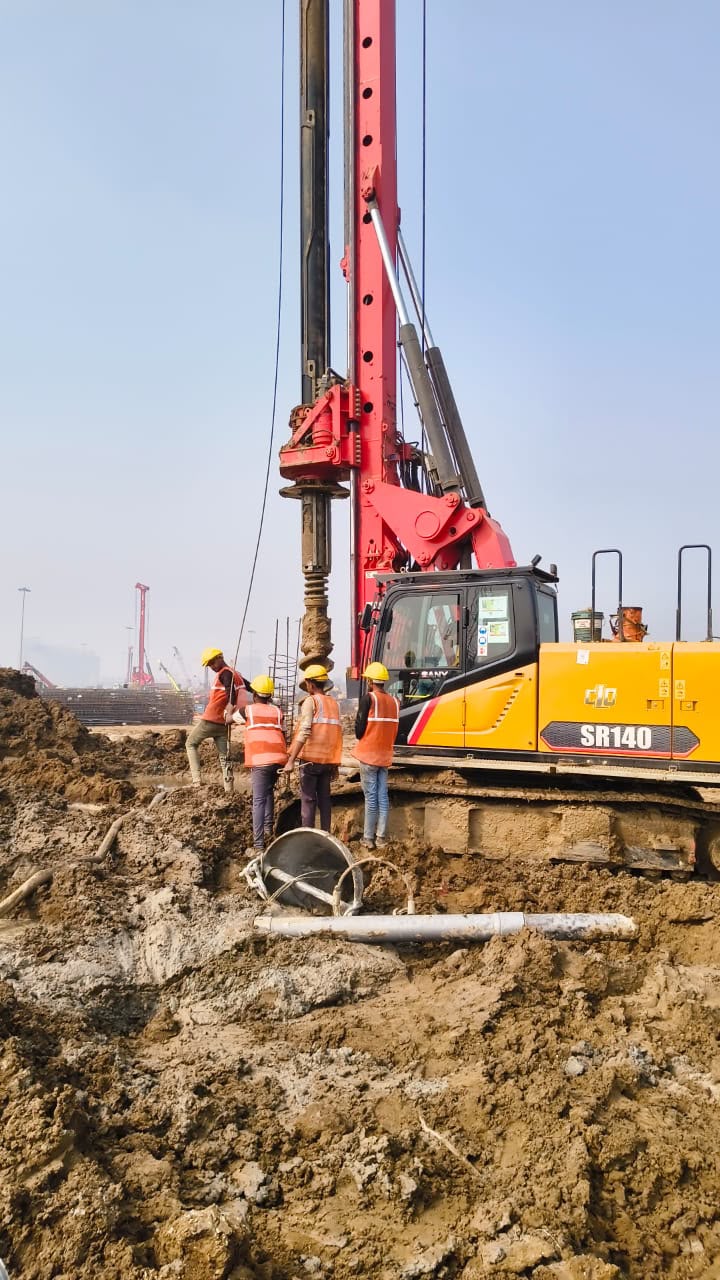
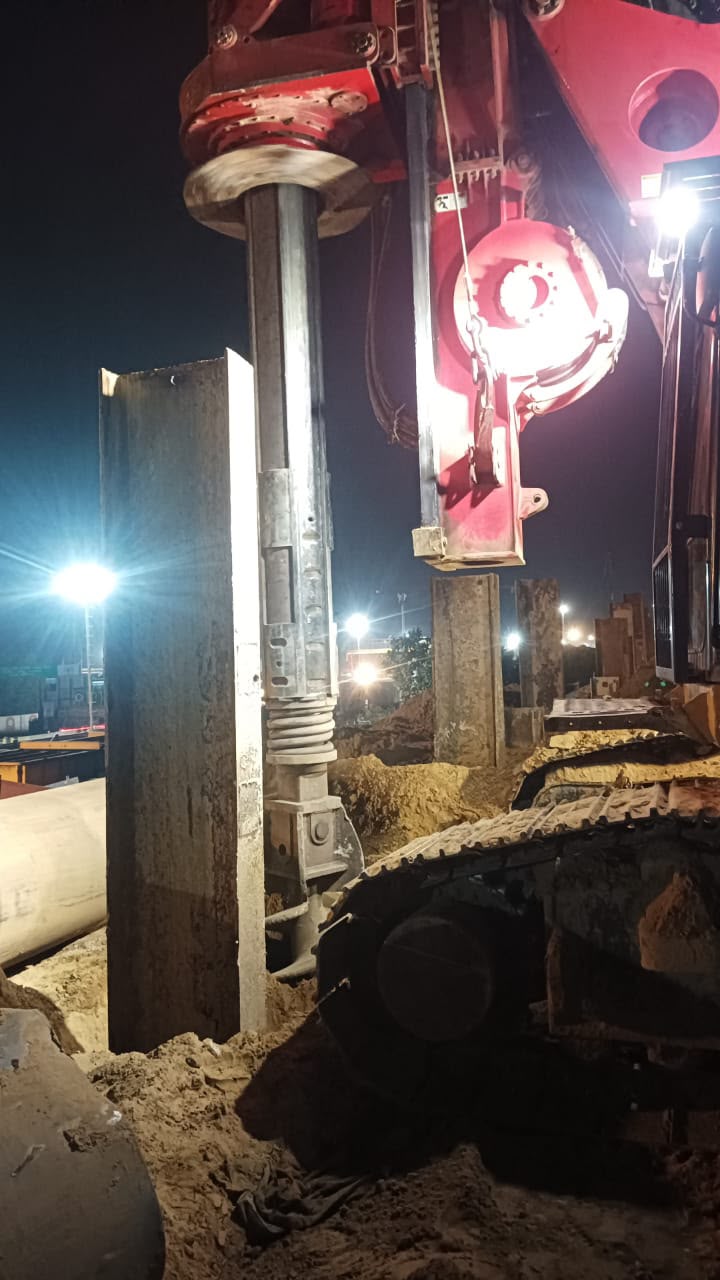
Recent Projects
Pile FoundationConstruction Process
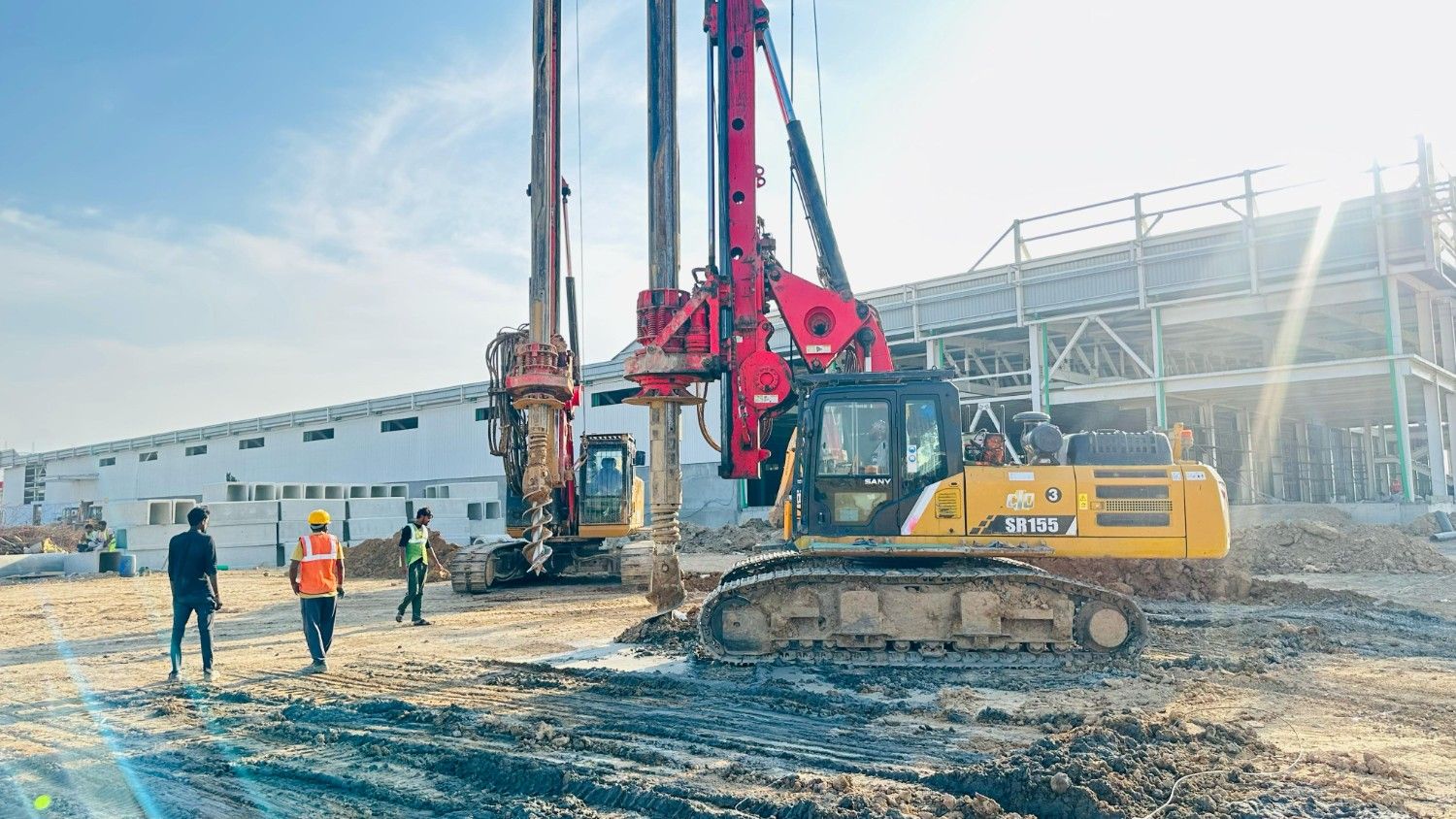
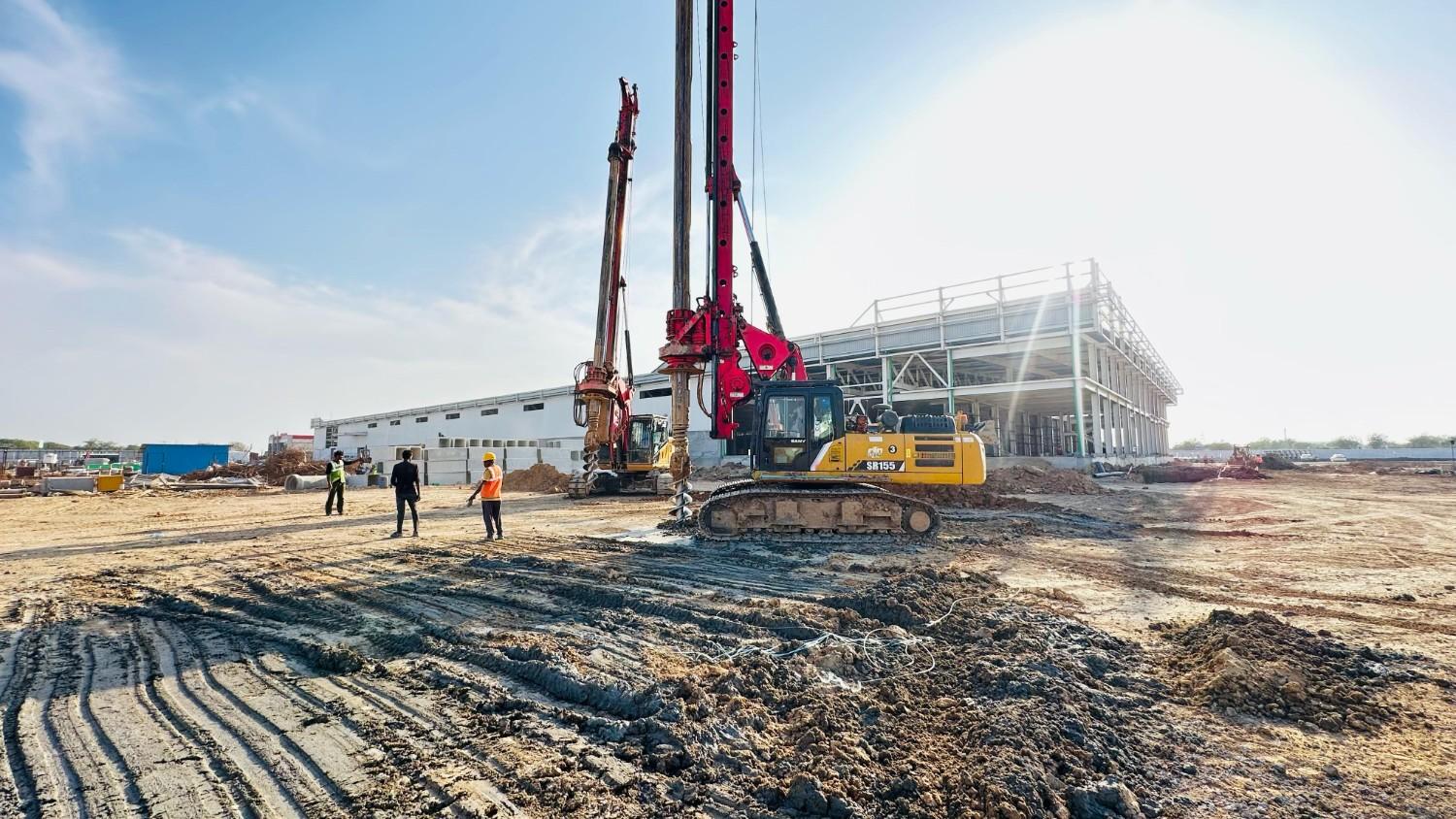
Survey, Setting Out & Guide Casing Installation
Detailed survey, marking of pile locations, and installation of temporary guide casing.
- Detailed survey and marking of pile locations
- Verification of pile coordinates and levels
- Positioning of Hydraulic Rotary Piling Rig
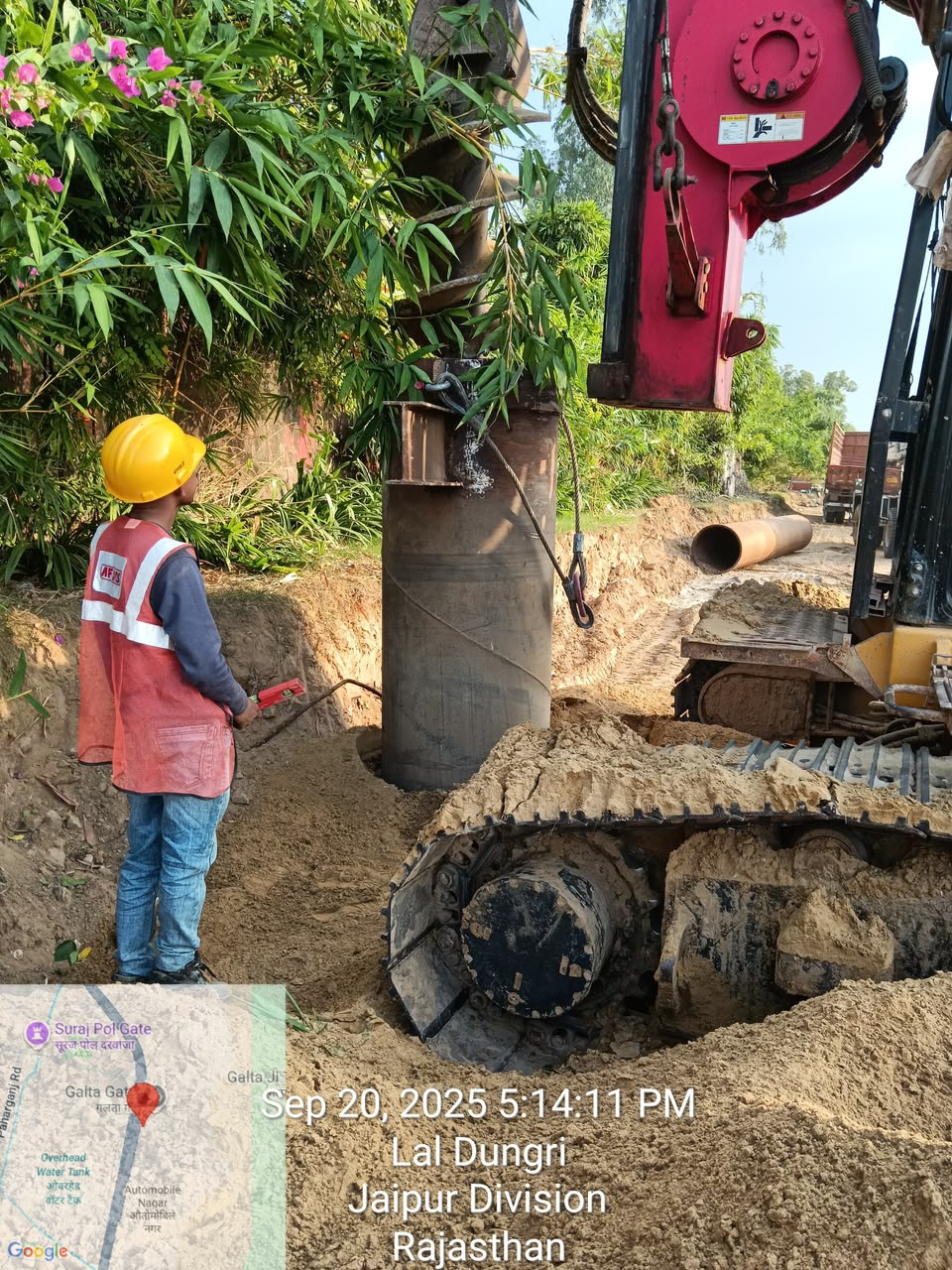
- Installation of temporary guide casing
- Ensures accurate pile alignment and protects bore opening
Pile Boring & Excavation
Drilling of pile bore using Hydraulic Rotary Rig to required depth.
- Drilling of pile bore using Hydraulic Rotary Rig
- Excavation carried out to the required depth and founding strata
- Suitable drilling tools used for soil, rock, or hard strata
- Continuous monitoring of depth, verticality, and pile diameter
- Removal and disposal of excavated soil from site
Slurry Support & Borehole Cleaning
Preparation and circulation of Bentonite/Polymer Slurry and borehole cleaning.
- Preparation and circulation of Bentonite/Polymer Slurry
- Stabilization of borehole walls during drilling
- Recycling of slurry through slurry plant
- Cleaning of borehole bottom to remove loose sediments
- Final inspection of bore depth and cleanliness
Reinforcement Cage Installation
Fabrication and lowering of reinforcement cage into the bore.
- Fabrication of reinforcement cage as per approved drawings
- Installation of spacers, couplers, lifting points, and cover blocks
- Lowering of reinforcement cage into the completed bore
- Accurate positioning and level adjustment
- Quality inspection before concrete placement
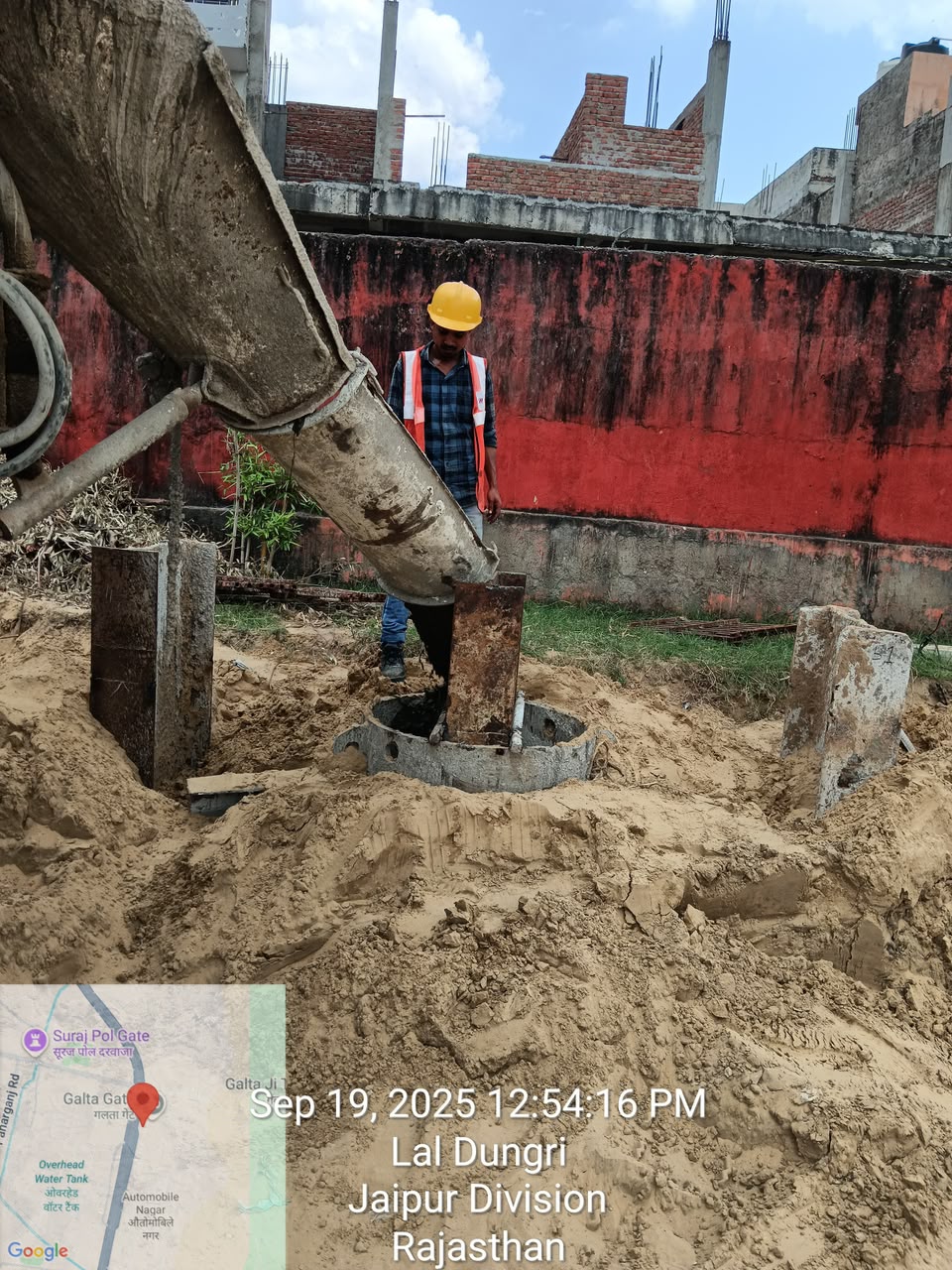
Tremie Concreting
Continuous concrete placement using tremie pipes.
- Installation of tremie pipes up to borehole bottom
- Continuous placement of concrete from bottom to top
- Prevention of concrete segregation through tremie method
- Displacement and recovery of slurry during concreting
- Completion of pile concreting in one uninterrupted operation
Pile Completion & Quality Control
Final pile completion, head trimming, and quality assurance.
- Extraction of temporary casing during or after concreting
- Recording of concrete consumption and pile parameters
- Pile head chipping up to cut-off level
- Verification of pile depth, diameter, and concrete quality
- Completion of testing, documentation, and quality assurance
- Ready for pile cap and foundation construction
Piling Contractor in Gujarat – Mobilization, On-Site Process & Timeline
You have selected a piling contractor in Gujarat. The contract is signed. Now the real question begins: how fast can they mobilize? What happens on-site day by day? How long will the piles actually take? This page is a practical guide to the piling process in Gujarat — the timeline from contract award to final load test report, the site setup requirements, and the typical durations for residential, commercial, and industrial projects. If you are comparing contractors on speed, this page tells you what a realistic piling contractor timeline in Gujarat actually looks like.
Mobilization Timeline – Contract Award to First Pile
Mobilization is the single biggest variable between piling contractors in Gujarat. A disorganized contractor takes 3–4 weeks to get a rig on site; a well-run one gets there in 10–15 working days. Our Gujarat piling contractor commitments are: Site visit within 48 hours of your inquiry. Contract award to rig on-site: 10–15 working days for most Gujarat locations, accelerated to 7–10 working days for Ahmedabad, Surat, Vadodara, and Rajkot. Rig assembly and bentonite plant setup: 2–3 days after rig arrival. Guide walls and layout marking: 2–3 days. First pile begins approximately 15–20 working days from contract award. For fast-track emergency projects, we can compress this to 10–12 days.
On-Site Process – What Happens Day by Day
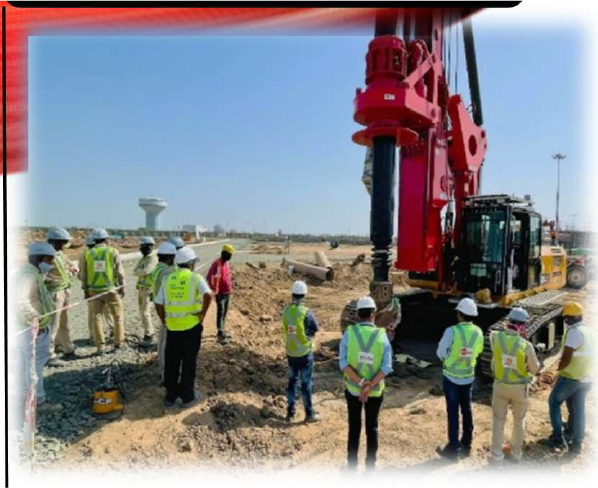
Once a piling contractor in Gujarat is on-site, the work follows a disciplined daily cycle. Rig assembly and bentonite plant setup take 2–3 days. Guide wall construction (shallow concrete walls along the piling alignment) takes another 2–3 days. From then on, each pile follows a cycle: boring with continuous bentonite slurry monitoring, reinforcement cage lowering, tremie pipe insertion, concrete placement from bottom up, and casing extraction. A 450 mm diameter pile takes 3–6 hours per pile; a 750 mm pile takes 6–10 hours; a 1,200 mm pile takes 10–16 hours. Our rig operators target 1–3 piles per rig per day depending on pile diameter, depth, and soil conditions. Daily progress reports with pile numbers, diameters, depths, and bentonite test results are shared with the project owner.
Typical Piling Project Durations in Gujarat
The timeline for a Gujarat piling contractor project depends primarily on pile count, diameter, and depth. Here are the typical durations we commit to on a project-by-project basis:
- Small residential (20–40 piles): 2–3 weeks of active piling
- Mid-size commercial (50–100 piles): 4–6 weeks
- High-rise residential (100–150 piles): 6–10 weeks
- Large industrial (150–300 piles): 8–14 weeks
- Infrastructure / mega projects (300+ piles): 12–20 weeks
Add mobilization time (10–15 working days) and load test time (7–28 days after casting) for the full project window. Kutch saline conditions and Saurashtra basalt can extend timelines by 15–25% due to slower drilling and higher chiselling hours.
Site Access, Setup & Permits in Gujarat
A piling contractor in Gujarat needs specific site conditions to mobilize efficiently. Plan for: 10–15 meter wide access road for rig transport, 600–1,000 sqm of working area for rig operation and pile layout, 200–400 sqm for bentonite plant and mixing pond, water source (typically 5,000–10,000 litres per pile), and steel storage space for reinforcement cages. Local municipal noise and traffic permits are usually the owner's responsibility, though Jalmala Boring Works assists with permit documentation as part of standard scope. In dense urban areas like Ahmedabad's old city and Surat's textile belt, night-time piling may be restricted — a factor that affects the timeline.
What Causes Piling Delays in Gujarat
Experienced piling contractors in Gujarat anticipate delays and build contingency into the schedule. The most common causes we plan for: unexpected rock level at shallower depth than the soil report indicated (especially Saurashtra and North Gujarat) — this adds chiselling hours and can shift the timeline by 20–30%; monsoon flooding on site between July and September — we schedule foundation work outside peak monsoon where possible; reinforcement steel delivery delays — we work with the owner to pre-book steel before mobilization; and drawing approval delays — we flag these during the pre-mobilization site visit so the owner can resolve them in parallel with mobilization. When delays are unavoidable, we communicate immediately and adjust the schedule rather than absorb the loss.
Why Speed Matters — and Why Jalmala Delivers
Every week of piling delay adds cost to the project — equipment standby charges, labor idle time, interest on capital, and delayed revenue from the built structure. This is why the fastest piling contractor in Gujarat is often the most economical choice, even at a slightly higher per-pile rate. Jalmala Boring Works delivers speed through three things: owned equipment (no waiting for subcontractor rigs), pre-positioned support infrastructure across Gujarat (bentonite plants, ancillary equipment staged at multiple locations), and trained teams who have worked together across multiple projects. For a detailed look at our full contractor credentials, see our pile foundation contractor Gujarat page. For regional soil coverage and industrial corridor expertise, see pile foundation services Gujarat.
Contact Our Gujarat Piling Team Today
Ready to start your Gujarat piling project? Call our team at +91 93745 45415 or email jalmala.pile@gmail.com. Our team responds within 4 business hours, schedules a site visit within 48 hours, and provides a mobilization plan with the proposal. Our main office is at Dholka Road, near Nariampura Village, Narimanpura, Sarkhej, Ahmedabad, Gujarat 382210. For a complete overview of our piling contractor services in Gujarat, explore this page and see why project owners across Gujarat choose Jalmala Boring Works for fast mobilization and on-time execution.